Disability-Owned Catering

Order catering instantly with CaterAi

Put your catering budget behind disability-owned businesses. Zerocater partners with vetted disability-owned caterers, so supporting them and feeding your team is the same order. Tell us your city and headcount and we will match you with owners nearby.
X
Use My Location
Try a different prompt
Enter your address to continue.
Promotions Promotions icon
Special offers and exclusive catering benefits available for your team. Only one promotion per order. We’ll automatically apply the one that saves you the most.

What disability-owned catering means: ownership and control, not a menu style

A disability-owned business is one that a person with a disability owns and runs. Ownership and control are the whole test, the same one used by the other ownership filters in this directory.

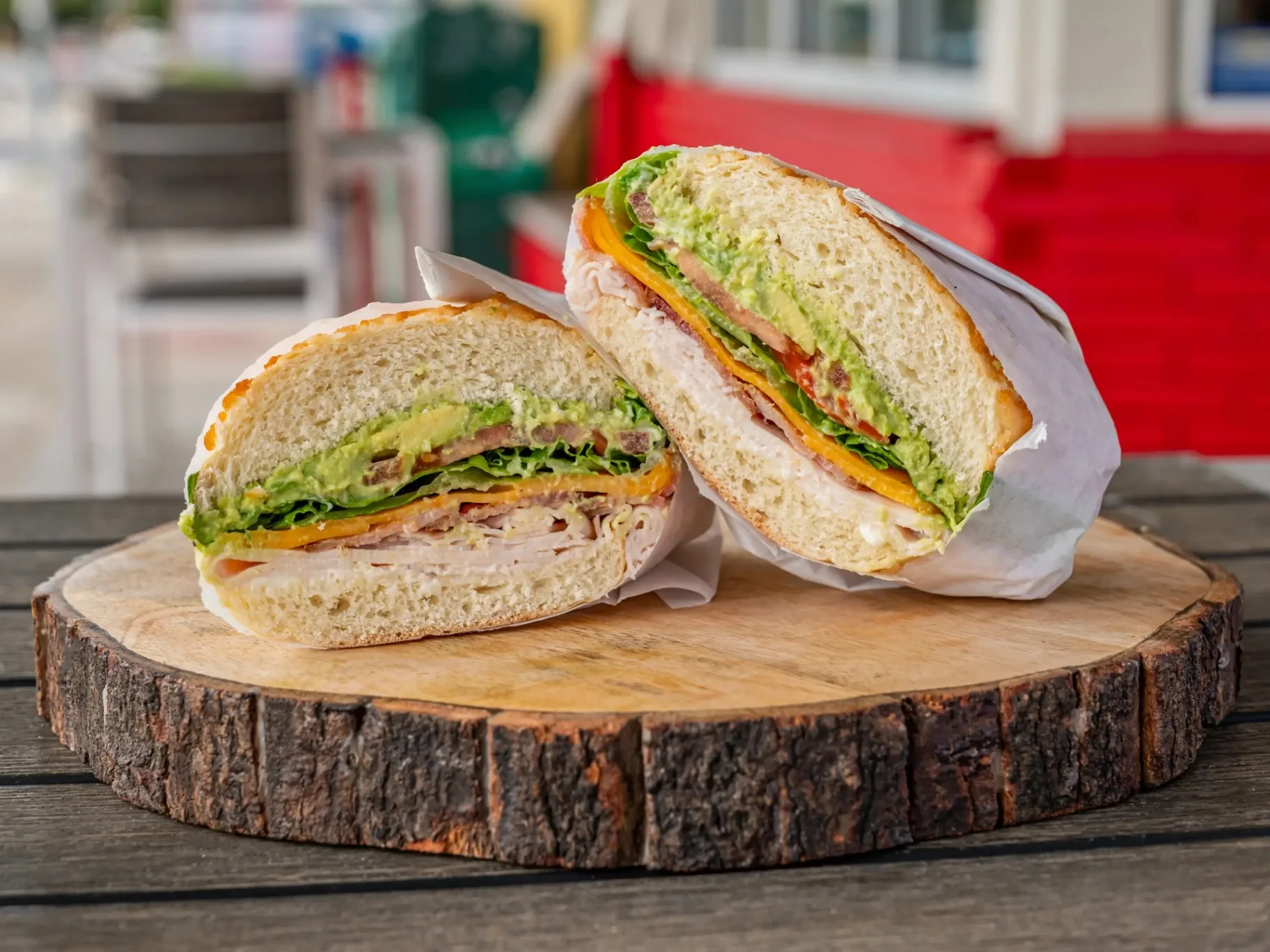
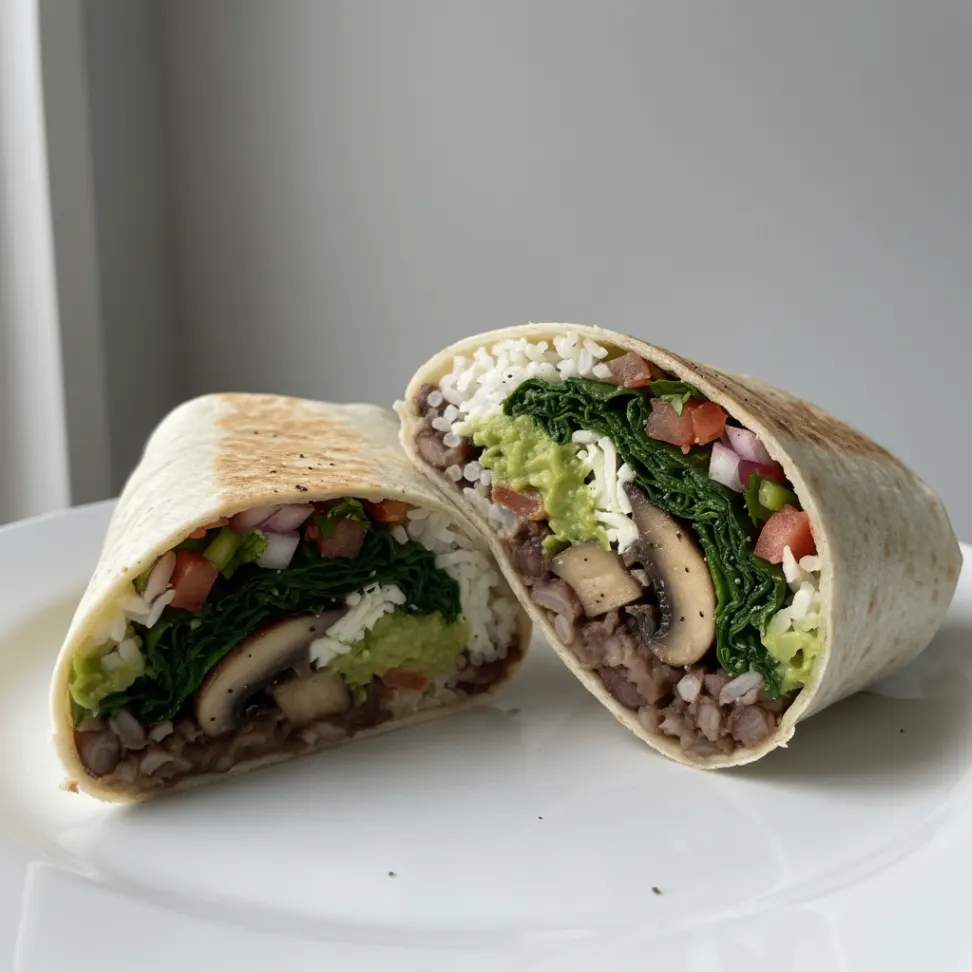
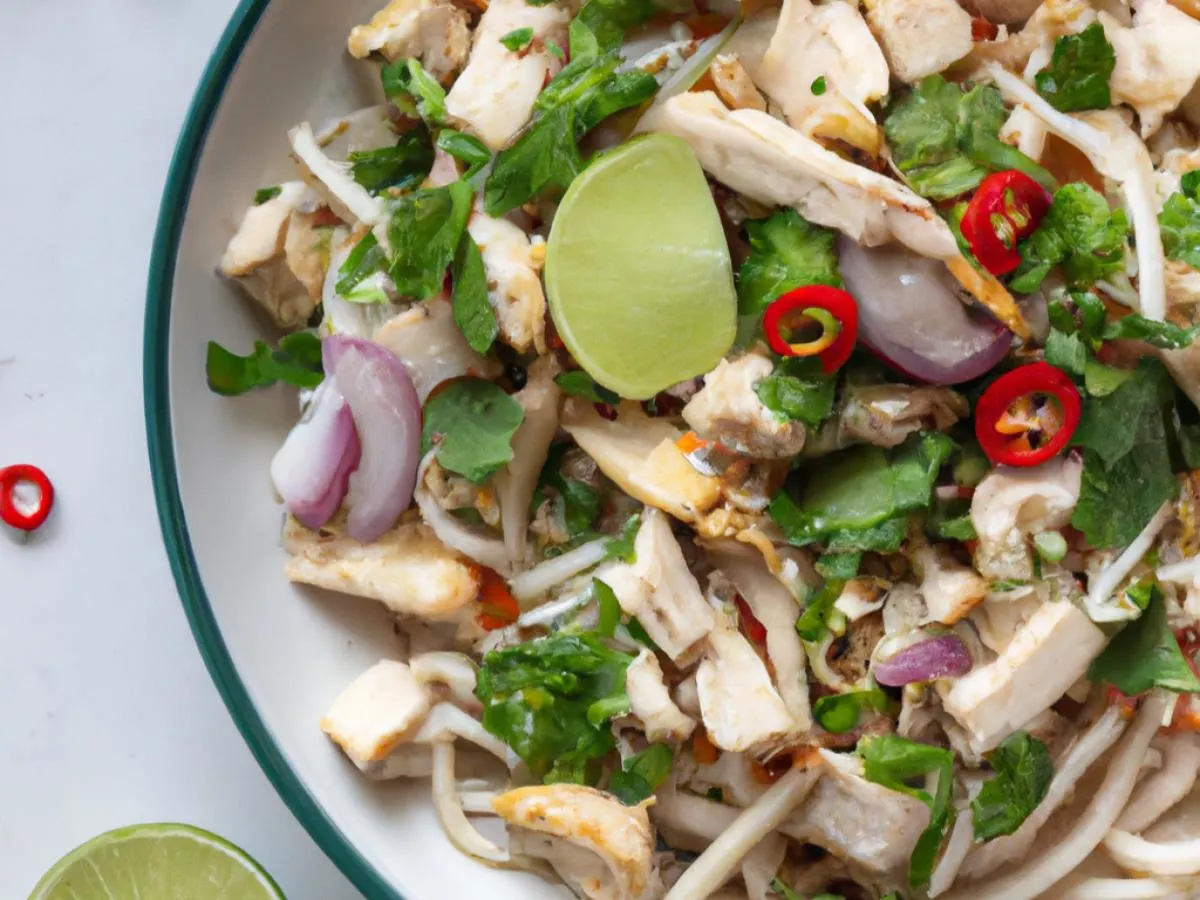
So the filter is about ownership, and nothing else. These kitchens cook what any other list of caterers cooks: barbecue, Thai, sandwich platters, a Mediterranean spread for forty, sheet cakes for a birthday. Choose on menu, delivery radius, and price, the way you choose any caterer. Ownership does not soften the brief: the food still has to be good, on time, and at the number quoted.

How to mark National Disability Employment Awareness Month: give October's ordinary lunches to disability-owned kitchens

October is National Disability Employment Awareness Month. Offices usually note it with a speaker, a panel, or an email, then go looking for something to do about lunch.

One food move is not decoration: order that month’s regular lunches from disability-owned kitchens, on the budget you were spending anyway. No theme menu, no banner, nothing announced about the food. Repeat business is worth more to a small caterer than an event held about employment.

Everything else the month asks for sits outside catering: hiring, accommodations, an office people can get into. That side is covered in what a diverse and inclusive workplace takes. July 26, the anniversary of the Americans with Disabilities Act, is the other date offices use.

How disability-owned catering counts toward supplier diversity: certification changes the reporting, not the lunch

Catering sits in a small set of spend categories a team outside procurement controls outright, and the invoices post like any other vendor’s.

Certification is where it turns technical. Disability:IN runs the one procurement teams recognize, the Disability-Owned Business Enterprise certification, or DOBE, and a certified vendor drops straight into a diverse spend report. Most of the kitchens on this list carry no certificate, because the fee and the renewal cycle buy them nothing locally. Ask the owner before you promise finance a number. Disability:IN also certifies owners who are veterans with disabilities, so some owners qualify under both this filter and veteran-owned catering.



How to book disability-owned catering from a short local list: one standing order, not a themed month

Depth varies by city. Some cities return a long list. Others return a handful of kitchens, and one of those will not drive to your address. Look at what is near the office before anyone announces a program. A month promised with four dates and filled with two is worse than a month nobody promised.

With a thin list, put the weight on repetition. One kitchen, one lunch, every other week, booked out for the year. That is a single brief: headcount, delivery window, and the mixed diets one order has to cover. CaterAi holds the brief, so a reorder is a date, not a fresh spec, and the kitchen gets a customer instead of a campaign.

Disability-owned catering FAQs

What counts as a disability-owned business?

Certifiers set the bar at 51 percent ownership or more by a person with a disability, plus control of daily operations. The test looks at the owner, not at the staff and not at the menu. Two kitchens carrying the same filter can serve completely different food.

When is National Disability Employment Awareness Month?

October, every year. The Labor Department’s Office of Disability Employment Policy sets an annual theme. It began as a single week in 1945 and Congress later widened it to the month. Nothing inside it is date-locked, so a recurring weekday order covers the month as well as any single event does.

Is ordering from a disability-owned caterer any different?

No. Same lead times, same minimums, same delivery windows, same invoice, and you brief the order the way you brief any other. Where a kitchen has a tight radius or caters only certain days, that is the size of the business talking, not the ownership.

Does a caterer have to be certified to count as disability-owned?

Not to cook your lunch. Certification matters when finance needs the spend inside a diverse supplier report, and those reports usually count certified vendors alone. Small kitchens often skip the paperwork, so an uncertified caterer can be disability-owned and still invisible to the report.