Korean Catering

Order catering instantly with CaterAi
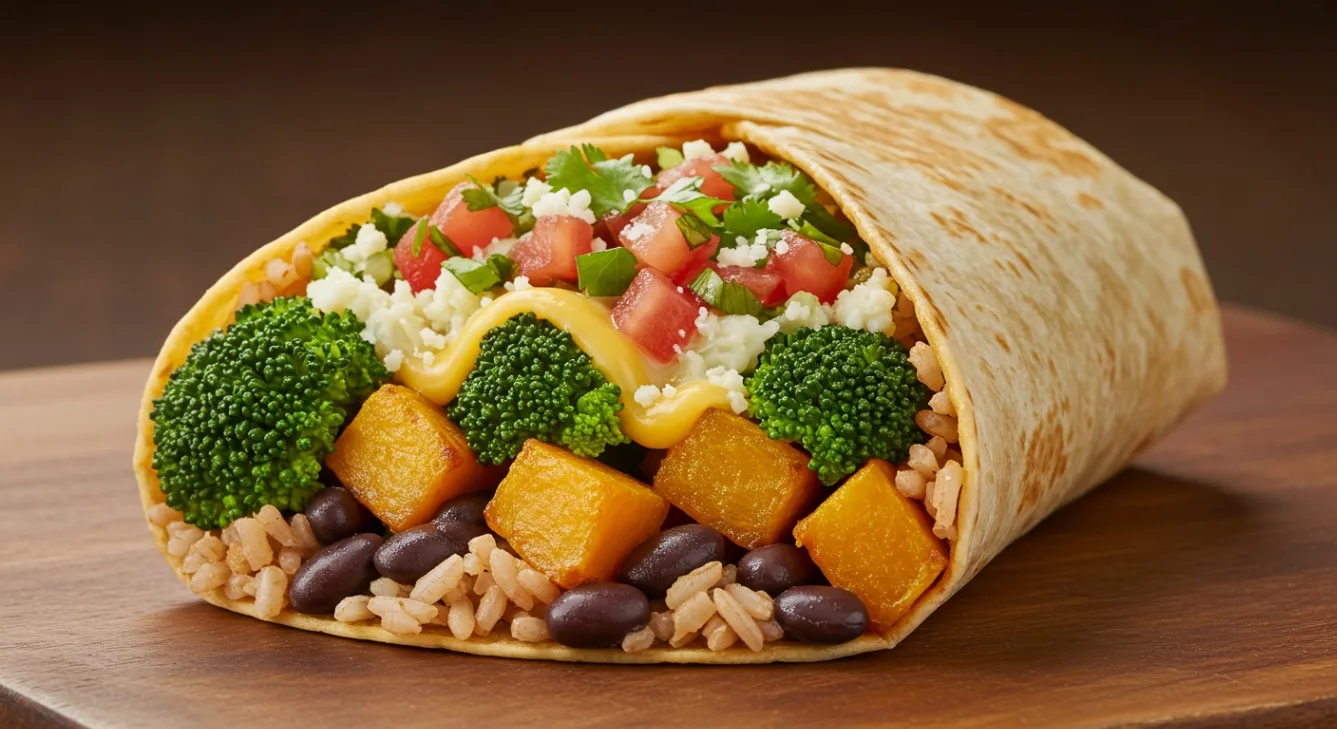
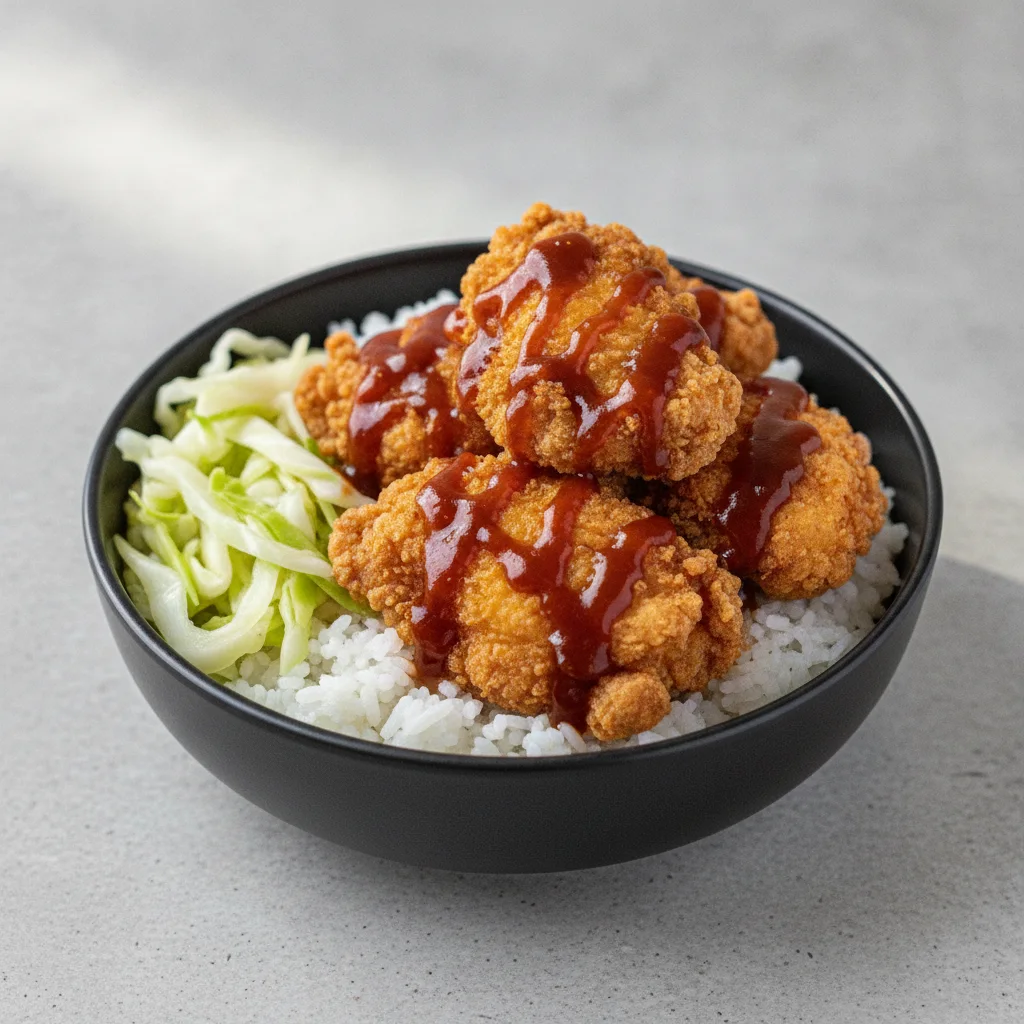
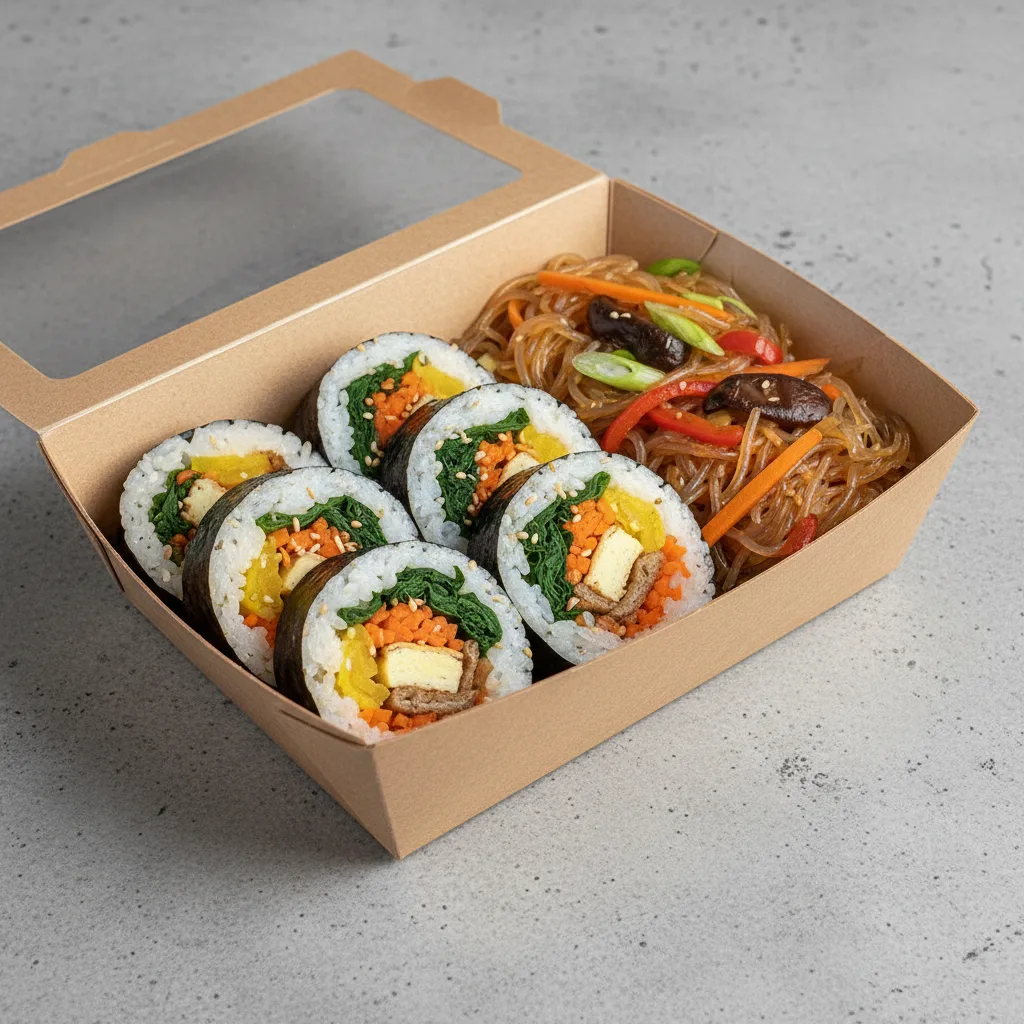
Fermented, grilled, and packed with depth. Korean catering delivers sizzling bulgogi, colorful bibimbap bowls, crispy Korean fried chicken, and a spread of banchan side dishes that bring communal dining energy to your office.

X
Use My Location
Try a different prompt
Please enter your event location to continue.

Korean catering

Why Korean catering works for an office lunch: bowls the room already knows how to eat

Offices already eat out of bowls. Poke, burrito bowls, salads by the pound. Korean catering arrives in a format the room has practiced, which is most of why it lands with people who have never ordered it.

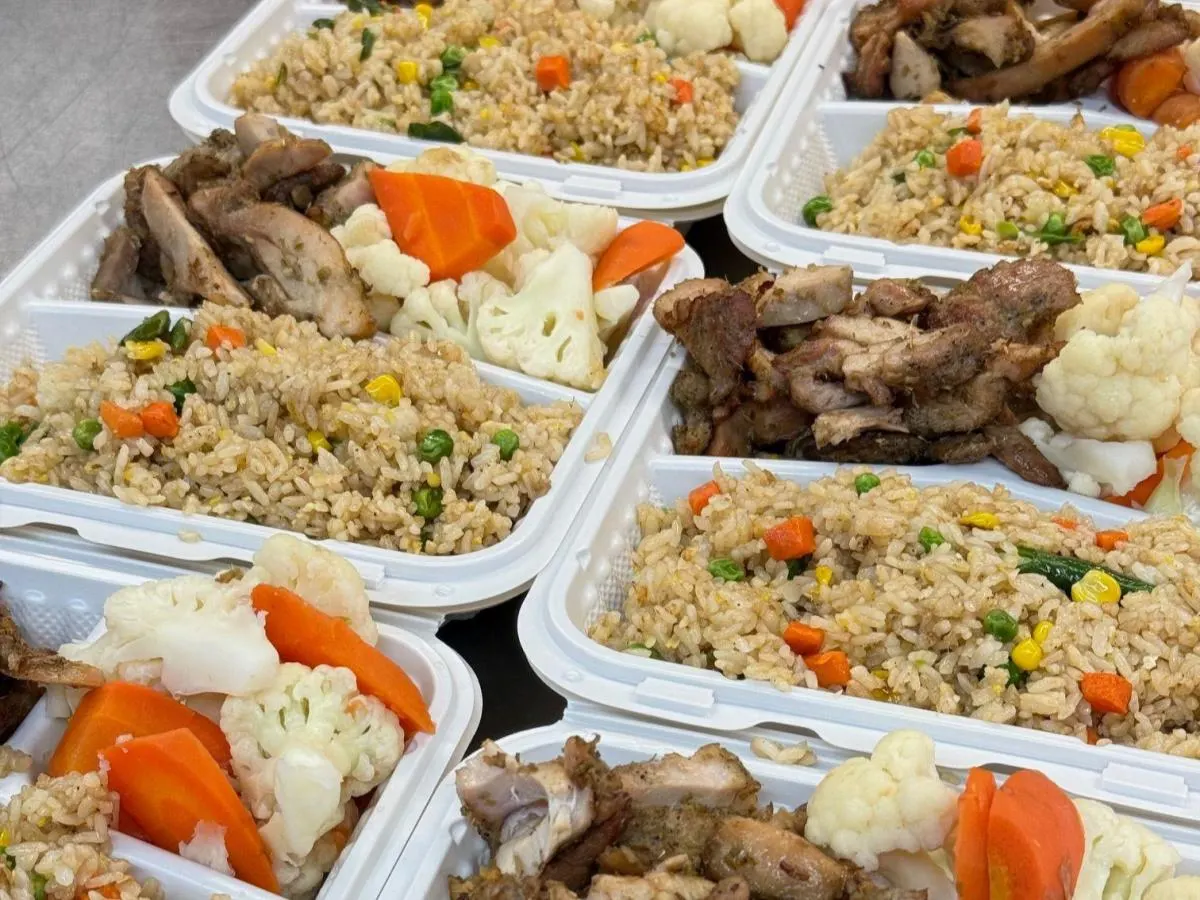
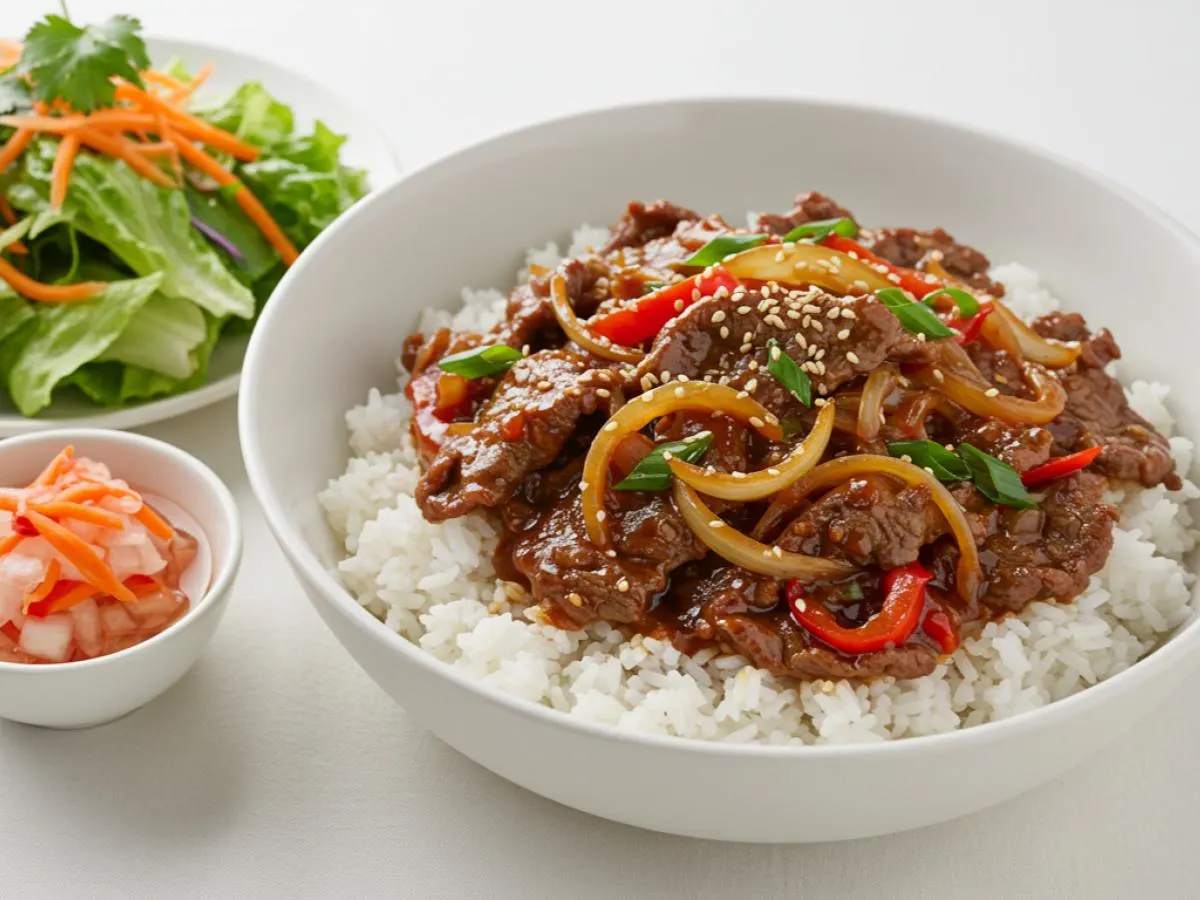
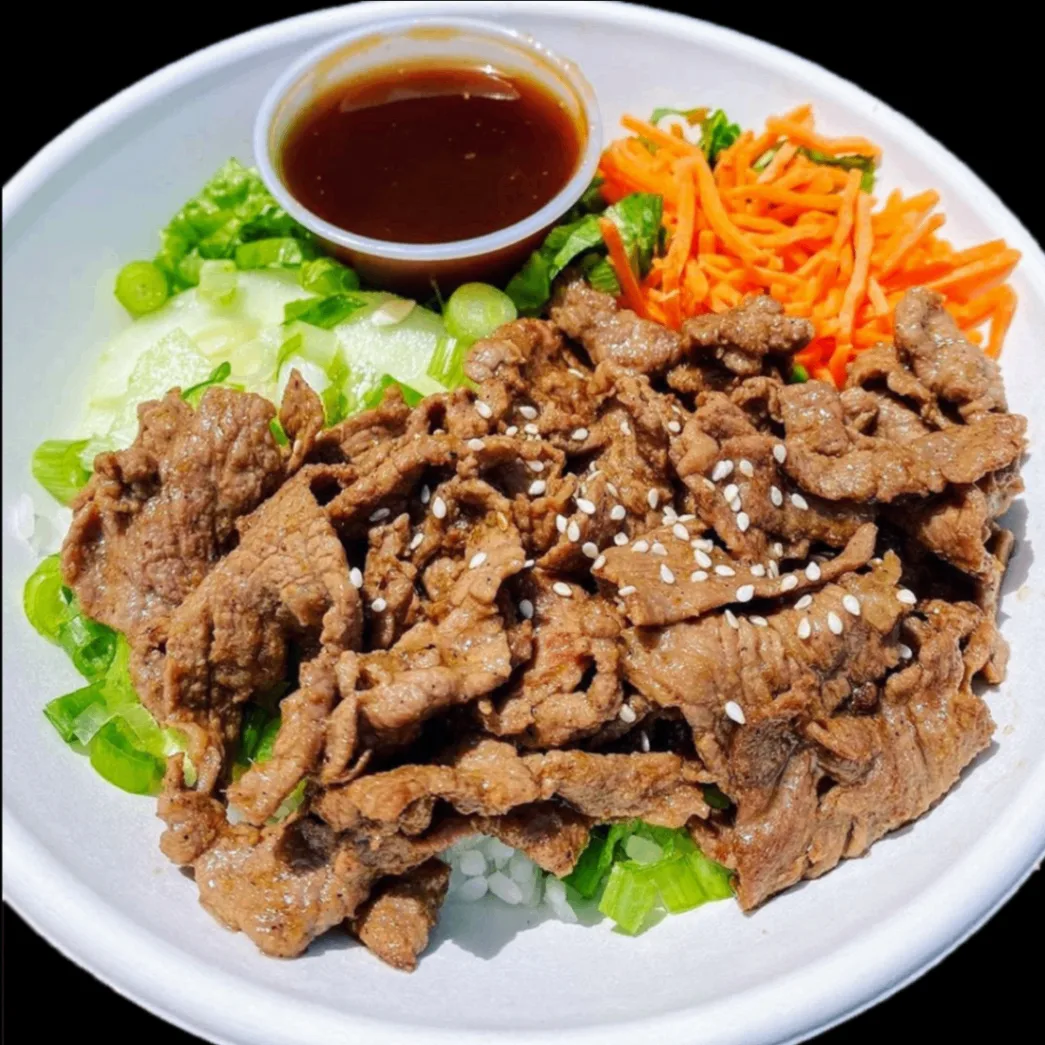
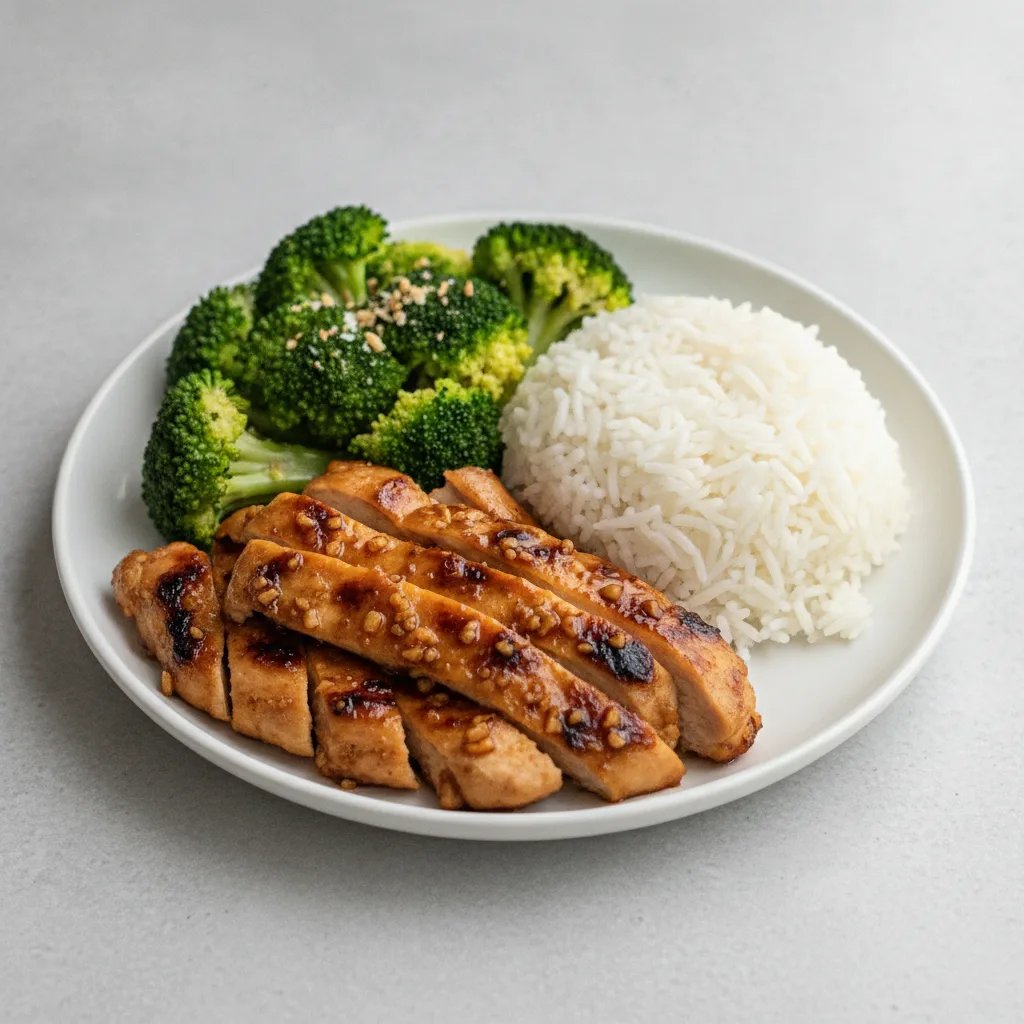
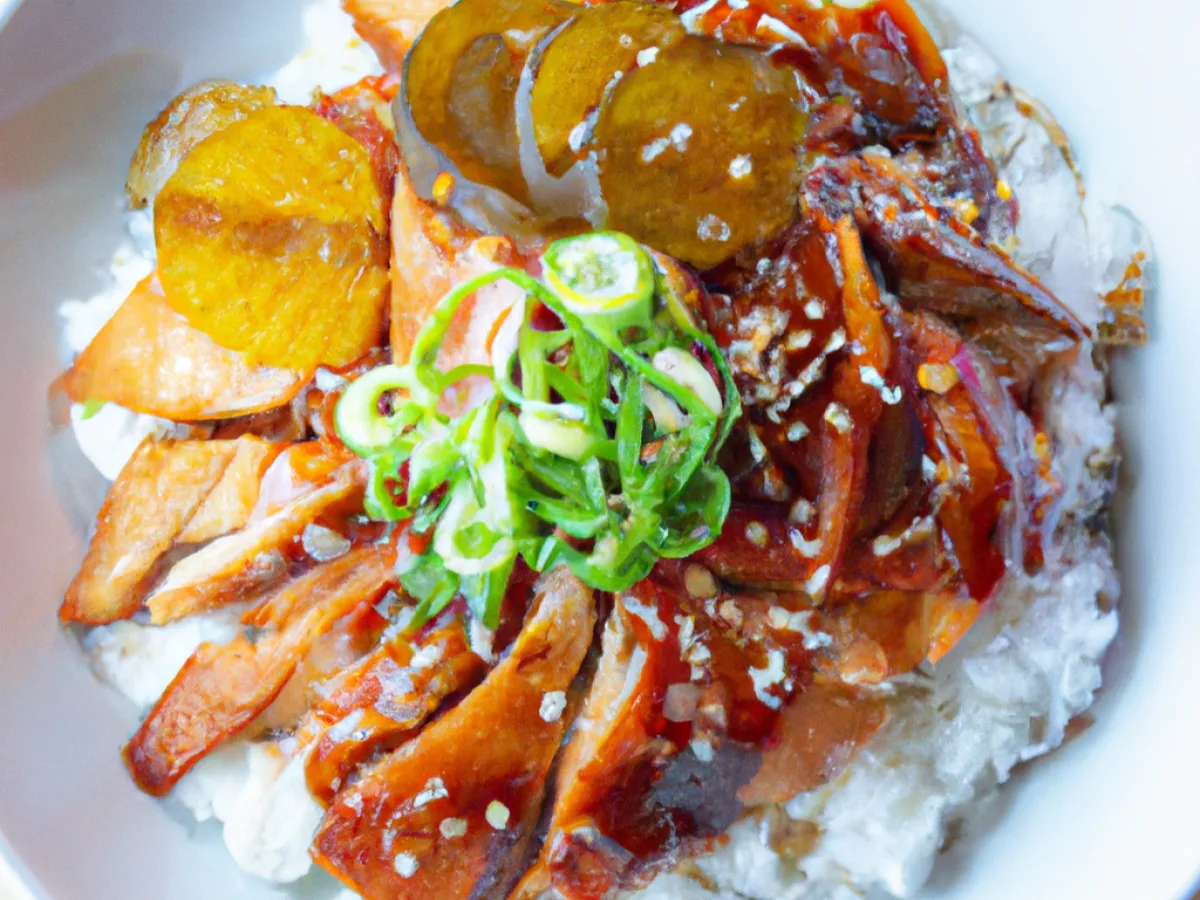
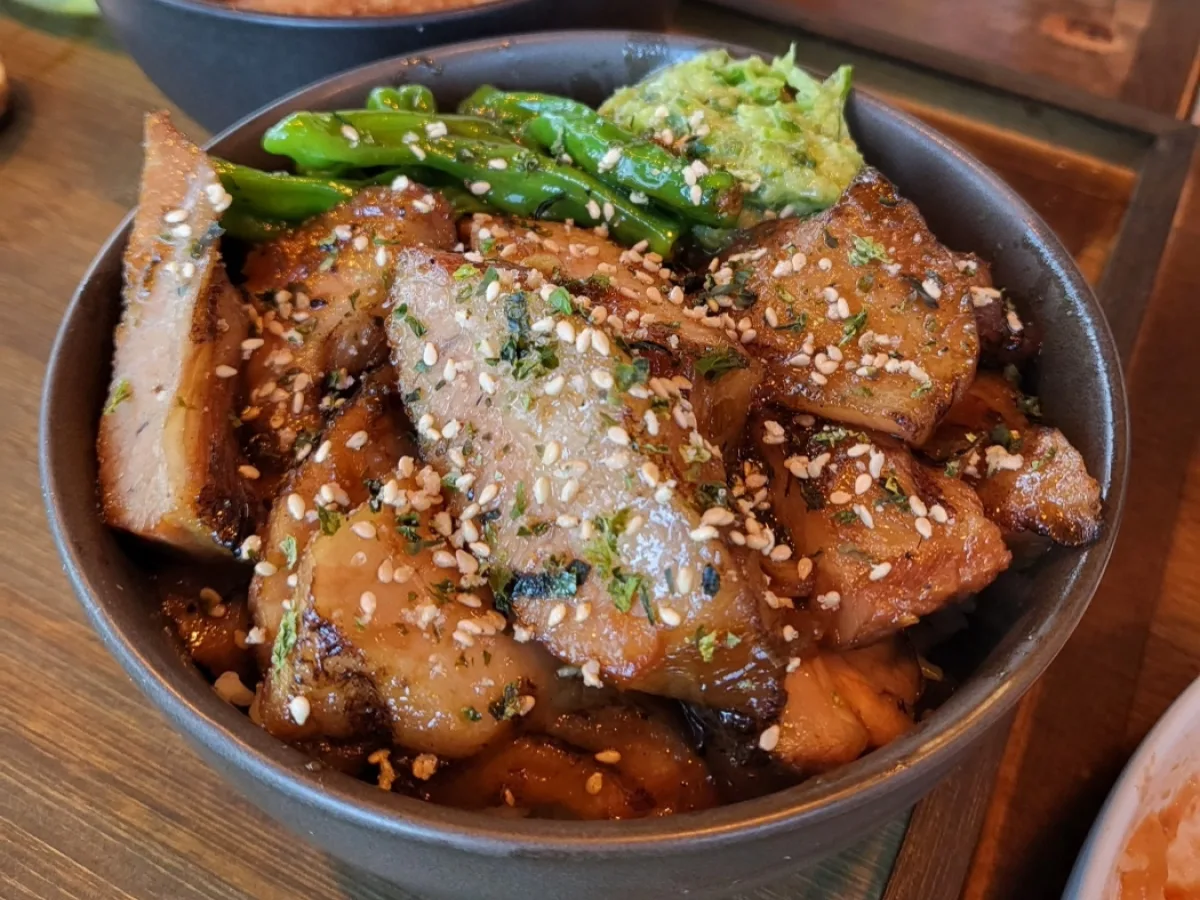
Bulgogi is the safe headline protein: thin beef in a sweet soy and pear marinade, legible to anyone who has eaten teriyaki. Put a chicken or tofu version beside it and the menu covers the room.

That is the whole argument. Korean reads adventurous on the invite, then eats like comfort food. Rice, sesame, braised vegetables, a fried egg on top.

How to build a Korean bibimbap bar: rice base, two proteins, and a vegetable rail

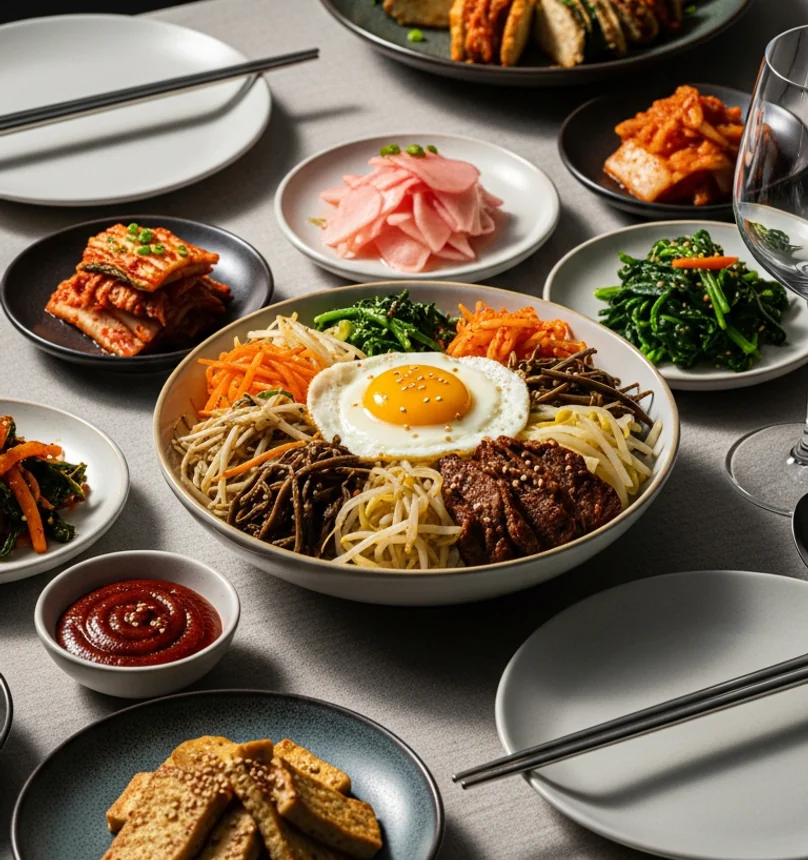
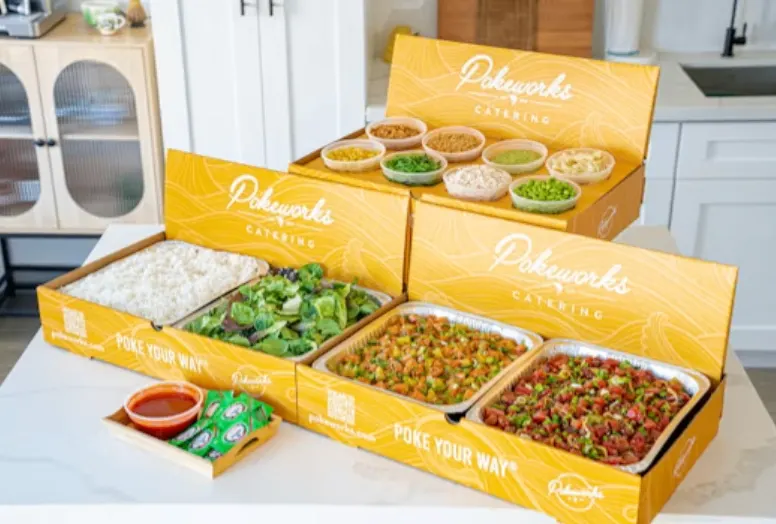
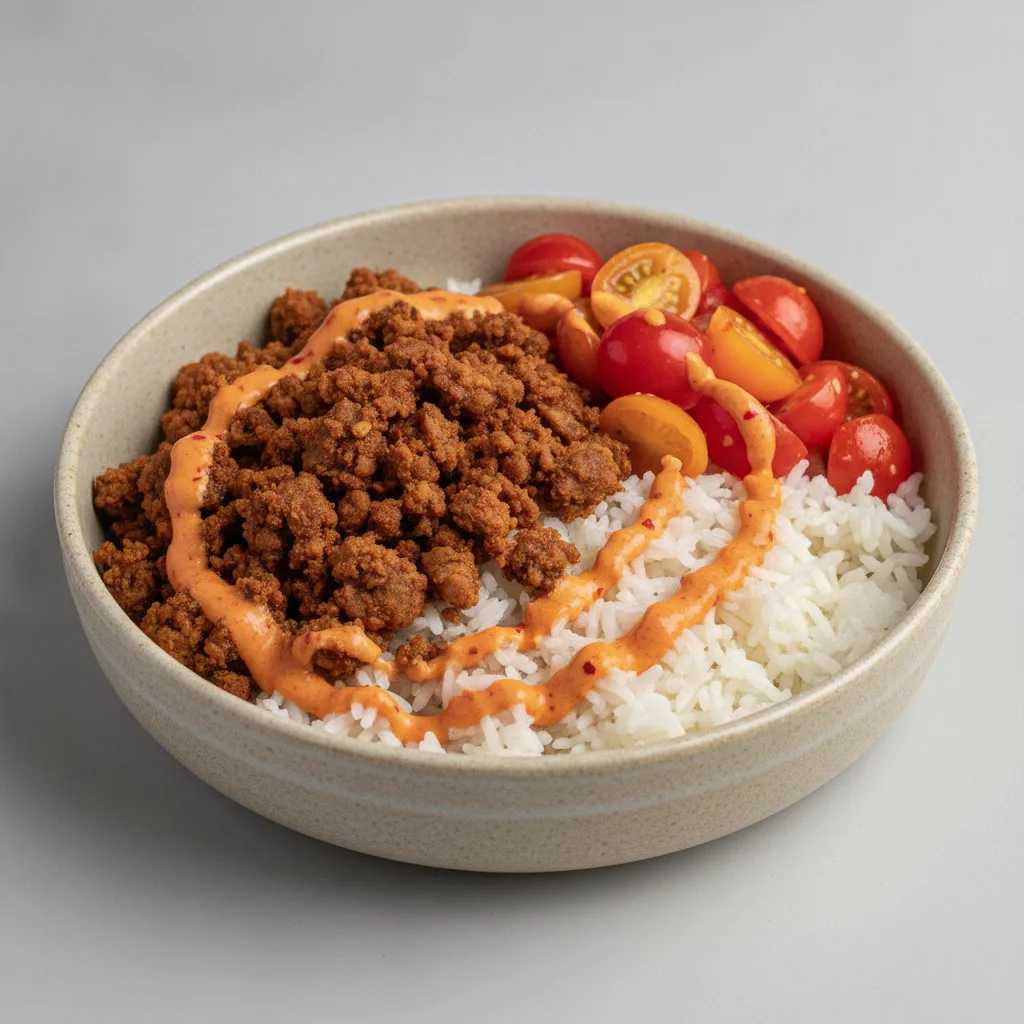
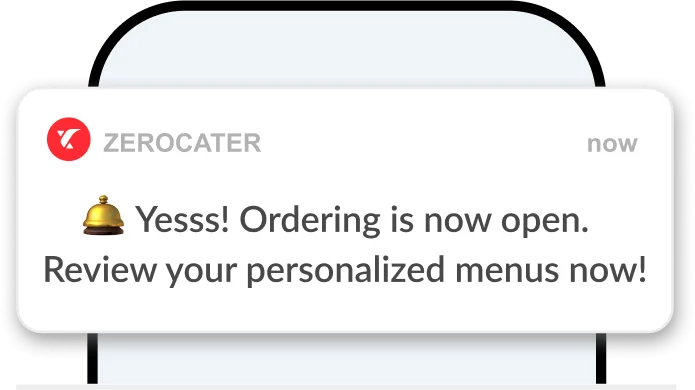
A bibimbap bar is the build-a-bowl format applied to a Korean menu, and it scales further than any single dish on one.

  • Rice base. Steamed white rice, plus a mixed grain if the office asks.
  • Tofu plus one meat. Bulgogi beef or chicken beside seasoned tofu covers meat eaters and vegetarians in one pass.
  • The vegetable rail. Seasoned spinach, bean sprouts, carrot, cucumber, shiitake, pickled radish, each in its own pan.
  • Sauce on the side. Gochujang in a squeeze bottle lets people set their own heat, and kimchi sits in its own labeled bowl.

Set the line to move one direction: rice, protein, then the vegetables where people slow down, sauce last. Nobody should double back for something they passed.

What banchan are, and how many to order with Korean catering

Banchan are the small shared sides that come with a Korean meal: kimchi, seasoned spinach, marinated bean sprouts, braised potato, pickled radish, sweet black beans. They are not appetizers and not garnish. They stay on the table and get refilled.

Four to six banchan is a normal office spread, and this is where the format pays. A dozen small dishes make a modest order look generous, for less than a second entree costs.

They also handle the dietary math. Most banchan are vegetable-based, so a vegetarian eats what everyone else eats. Ask for the kimchi to be marked, since it carries the only real heat on the table.

Korean BBQ catering for offices: pre-grilled bulgogi and galbi, served family-style

Nobody is putting a live grill in a conference room. Ventilation, smoke alarms, and the building’s rules settle that before anyone asks.

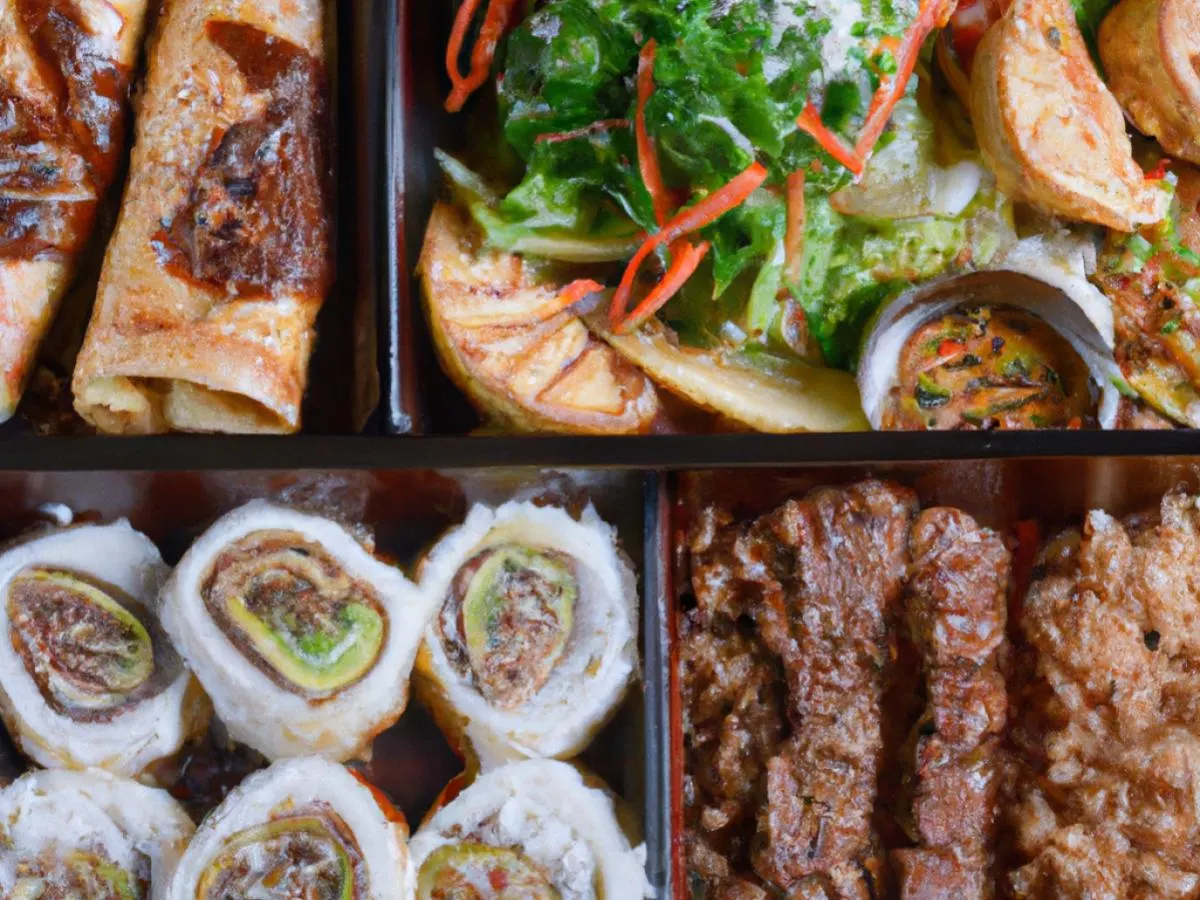
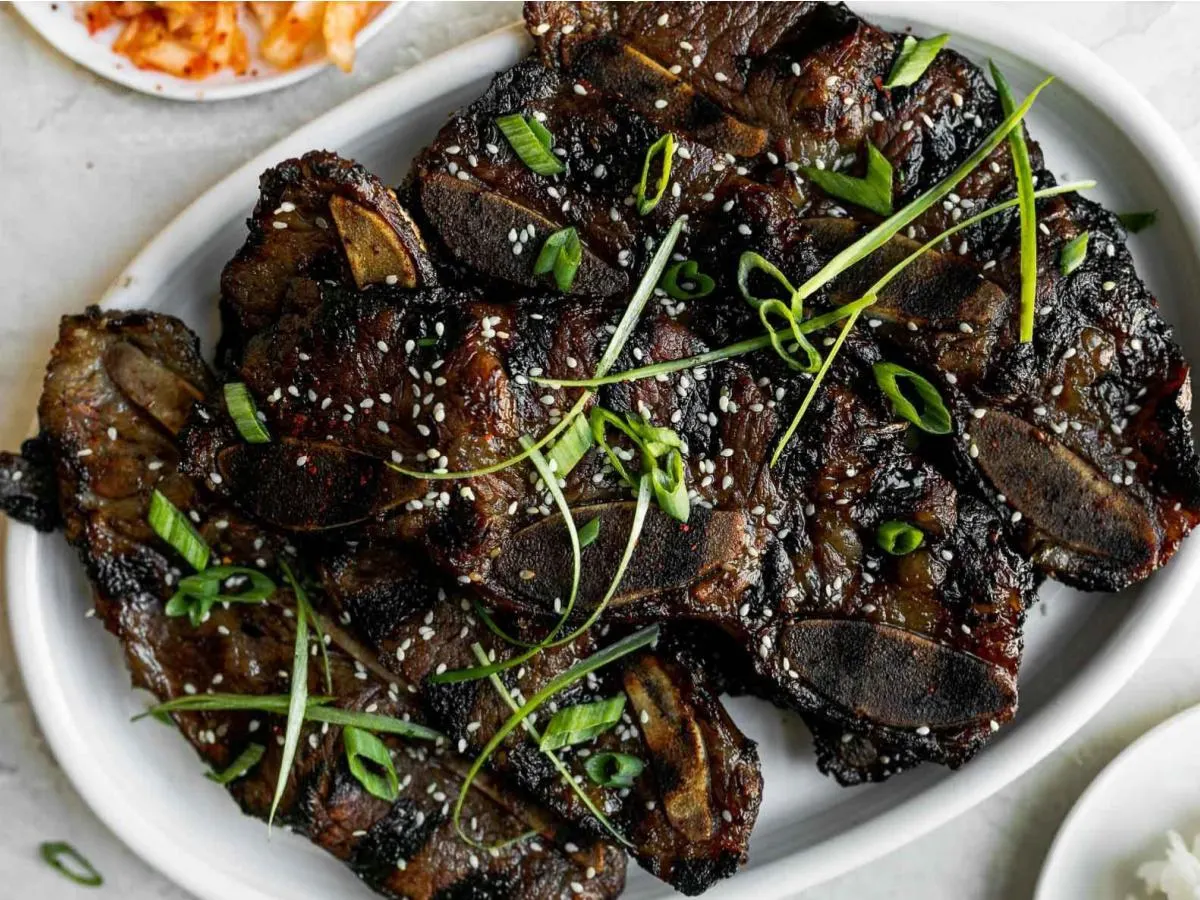
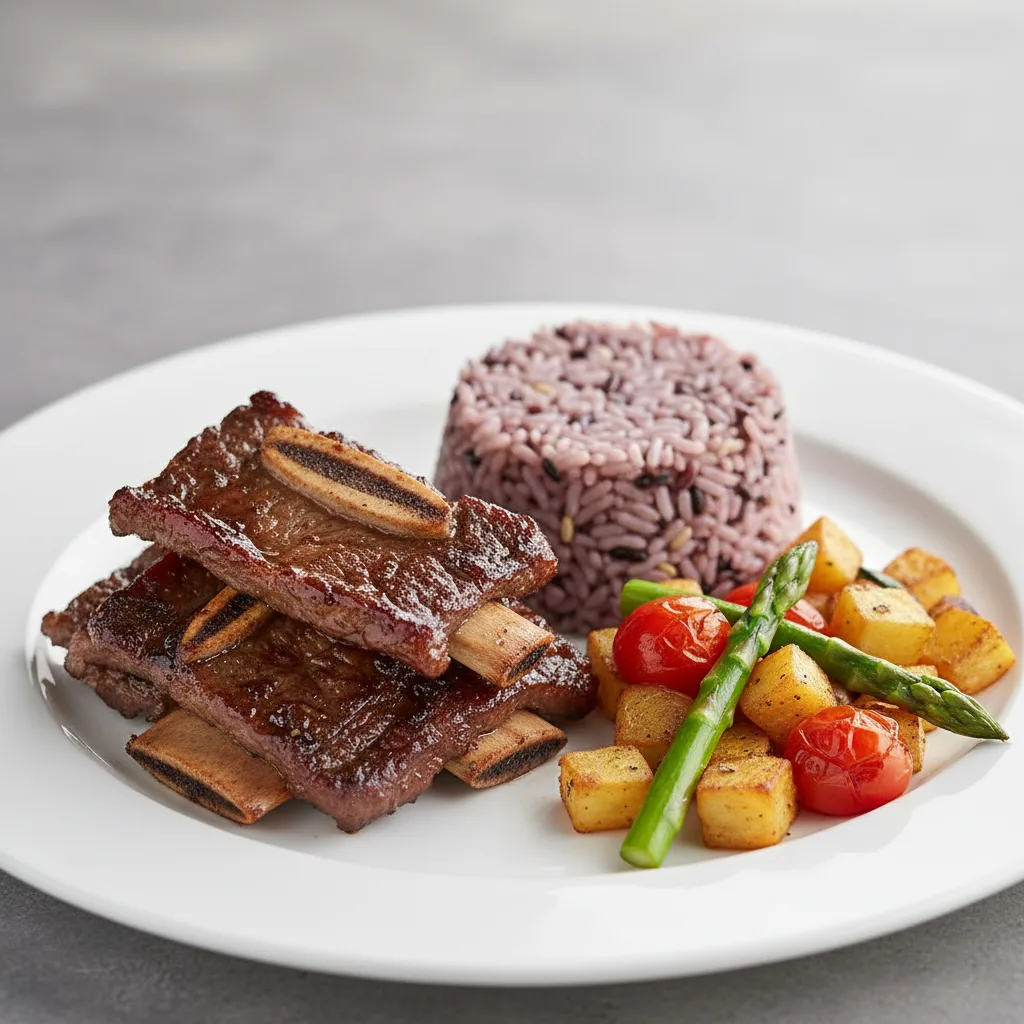
The catered version drops the grill and loses almost nothing. Bulgogi and galbi arrive pre-grilled and family-style, in trays with rice, lettuce leaves, ssamjang, and the banchan spread, so people still wrap their own. Wrapping and sharing were what the tabletop grill really delivered, and both travel. That spread commonly runs $18 to $30 per person, with the galbi moving the number.

CaterAi prices a bibimbap bar against a family-style BBQ spread for the same room, and the gap between them is mostly galbi. For the same bowl logic with a quieter palate, see Japanese catering. If Korean is a maybe, the full set of corporate catering cuisines is one page up.

Korean catering FAQs

What is a bibimbap bar for office catering?

A serving line where each element sits in its own pan: rice, two or three proteins, seasoned vegetables, and sauce at the end. Everyone builds their own bowl, so one order feeds meat eaters, vegetarians, and anyone avoiding heat without a separate menu.

How do you cater Korean BBQ in an office?

Pre-grilled and family-style. Offices cannot run live tabletop grills, so the caterer grills the bulgogi and galbi in their kitchen and delivers them in trays with rice, lettuce leaves, ssamjang, and banchan. People still wrap their own, and that is the part of Korean BBQ that matters.

What are banchan, and how many should you order?

Banchan are the small shared sides served alongside a Korean meal, refilled as they empty rather than eaten first. Kimchi, seasoned spinach, bean sprouts, pickled radish, braised potato. Four to six is a normal office spread, and most are vegetable-based, so they cover vegetarians at the same table.

Does Korean catering work for boxed lunches?

Yes, better than most cuisines. A bibimbap bowl is already a single serving: rice, protein, vegetables, sauce in a cup on the side. Boxed Korean travels for a hybrid office and holds fine at a desk, and it reheats without going limp, which sandwiches and fried platters do not manage.