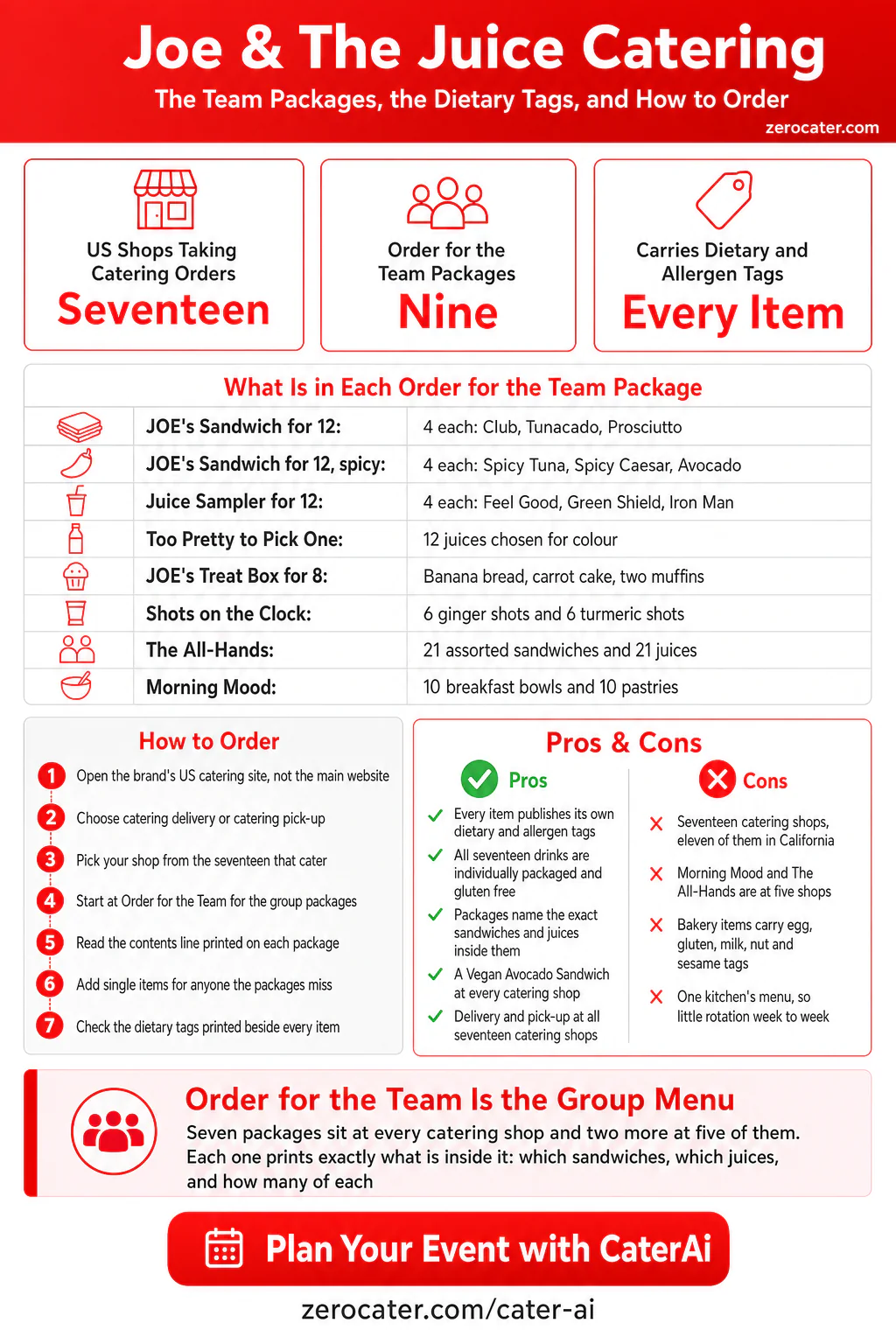
Joe & The Juice caters, and it documents the menu better than most chains its size. Seventeen US shops take catering orders through the brand’s own catering site, which carries a group menu built for offices and prints the contents and the dietary tags of every single item before you commit to anything.
The group section is called Order for the Team. Seven packages sit on it at every catering shop, two more at some, and each one prints exactly what is inside it: which sandwiches, which juices, how many of each. Underneath that sits the full shop menu, so a colleague who eats none of the things in a package can be added as their own line.
It suits a particular kind of room well. A breakfast meeting where you want bowls and pastries rather than a hot buffet. An all-hands where everyone should end up holding a sandwich and a drink. An afternoon slump that a tray of cold-pressed juice fixes better than more coffee. And, more than most chains this size, an office with a mixed dietary list, because the tags are printed per item rather than buried in a downloadable sheet.
In this guide
- Every Order for the Team package, and what is inside each one
- The two extra packages, and which shops carry them
- The sandwiches, juices, smoothies, bowls and bakery
- The dietary and allergen tags, item by item
- What arrives individually packaged
- The seventeen shops that take catering orders
- How to place an office order, step by step
Order for the Team: every package, and what is in it
This is the section to start from, and it is the one the catering site opens on. Seven packages appear at all seventeen catering shops, and the brand publishes the contents of each in plain words rather than leaving you to guess. Two of them are sandwich packages. Two are juice packages. The rest cover pastries, shots and water.
| Package | What is inside it | Where it is |
|---|---|---|
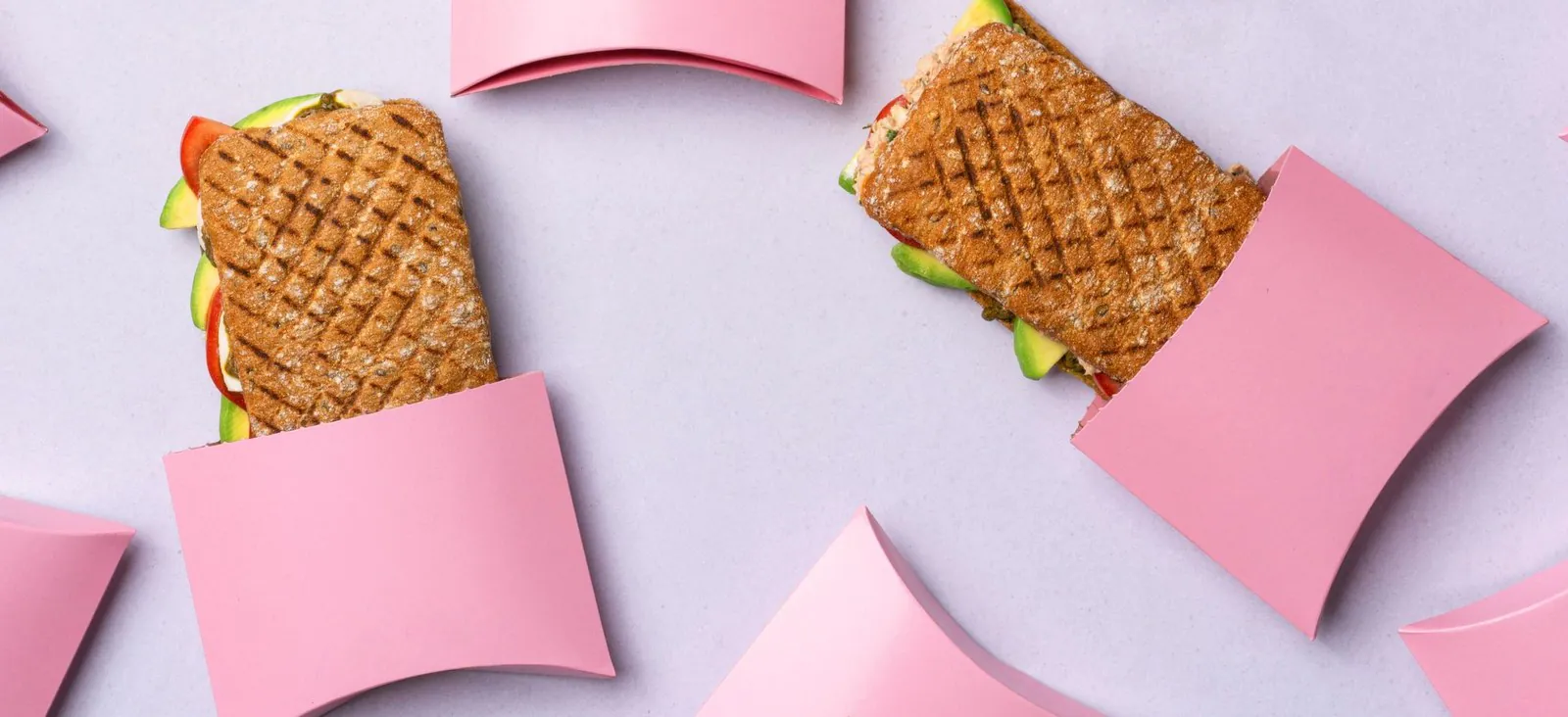
| JOE’s Sandwich for 12 | Twelve sandwiches, four each of the JOE’s Club, the Tunacado and the Prosciutto | All seventeen shops |
| JOE’s Sandwich for 12 (but make it spicy) | Twelve sandwiches, four each of the Spicy Tuna, the JOEs Spicy Caesar and the Avocado | All seventeen shops |
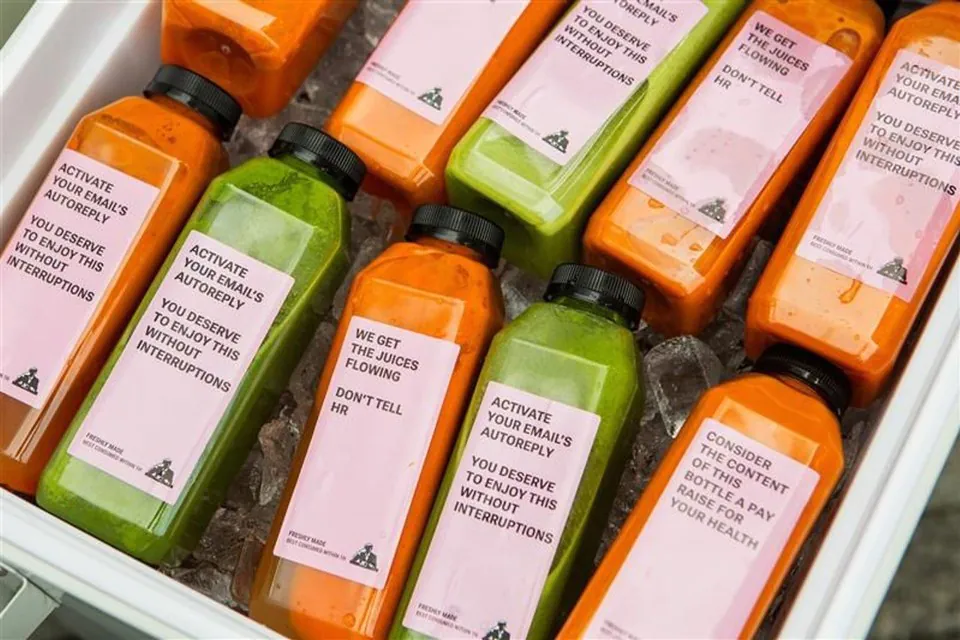
| Juice Sampler for 12 | Twelve sixteen-ounce signature juices, four each of Feel Good, Green Shield and Iron Man | All seventeen shops |
| Too Pretty to Pick One | Twelve juices chosen for colour: three Stress Downs, three Feel Goods, three Green Shields and three Miami Glows | All seventeen shops |
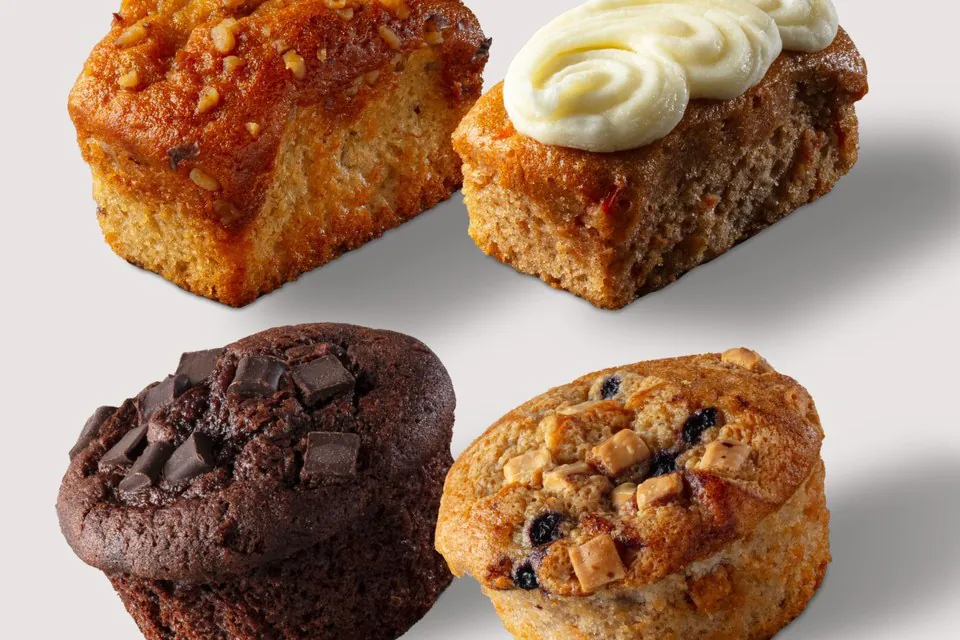
| JOE’s Treat Box for 8 | Eight pastries, two each of banana bread, carrot cake, chocolate muffin and blueberry muffin | All seventeen shops |
| Shots on the Clock | Six ginger shots and six turmeric shots | All seventeen shops |
| 10 Waters | Ten still waters | All seventeen shops |
| Morning Mood | Ten breakfast bowls and ten pastries: five yogurt bowls, five power bowls, five banana bread and five blueberry muffins | Five shops |
| The All-Hands | Twenty-one assorted sandwiches and twenty-one juices. Sandwiches from the club, tunacado and avocado; juices from Green Shield, Go Away DOC and Pick Me Up | Five shops |
Two things are worth noticing in that table. The first is that the brand names the constituent items. You are not buying an unspecified assortment; you are buying four of a named sandwich, three times over, and you can look each of those sandwiches up before you order. The second is that the two sandwich packages between them cover six of the eight sandwiches on the menu, so ordering both gives a room of twenty-four people six varieties without you building anything by hand.
The All-Hands is the one package that pairs a food with a drink in a single line. Everything else carries one kind of thing, which is worth knowing when you are building an order: if you want sandwiches and juice at a shop that does not stock The All-Hands, that is two lines rather than one. Our guide to office lunch ideas works through the same assembly problem across formats, and boxed lunch catering covers the version where the pairing is done for you.

The two extra packages, and the shops that carry them
Morning Mood and The All-Hands are the two packages most obviously built for an office, and they are the two that are not everywhere. Both sit at five shops: Washington DC, Miami, the two New York shops and Chicago.
There is a reason for that, and it is useful rather than annoying. The catering menu ships in three regional editions, and the brand names them in its own data. The West Coast edition covers twelve shops, the East Coast edition four and Chicago one. Morning Mood and The All-Hands are on the East Coast and Chicago editions. A tenth package, Joe’s Drip Coffee, is on one shop alone: a specialty blend served with cups, milk, stirrers and sweeteners at the New York Hudson Street shop.
So if you are booking a breakfast meeting in New York and the same meeting in San Francisco, the New York order can be one line and the San Francisco order is bowls and pastries added separately. Same food, more clicks. If you book across cities regularly, our guide to board meeting catering and our corporate event catering checklist cover the questions worth settling once rather than per city.
The sandwiches, and what goes in each one
Eight sandwiches sit on the menu, seven of them at all seventeen shops and the prosciutto at sixteen. They share a base: Joe’s Classic Bread, and in most cases a vegan pesto. The brand prints the full build of each one, which is what makes this menu easy to order from for a mixed room.
| Sandwich | What is in it | Tags on the item |
|---|---|---|
| JOE’s Club | Chicken, avocado, tomato, vegan pesto, Joe’s Classic Bread | Celery, Gluten, Sesame |
| Tunacado | Tuna mousse, avocado, tomato, vegan pesto, Joe’s Classic Bread | Eggs, Fish, Gluten, Sesame |
| Spicy Tuna | Tuna mousse, jalapeño, Tabasco, tomato, vegan pesto, Joe’s Classic Bread | Eggs, Fish, Gluten, Milk, Sesame, Spicy, Sulphites |
| JOEs Spicy Caesar | Chicken, turkey bacon, parmesan, caesar dressing, Tabasco, arugula, Joe’s Classic Bread | Celery, Eggs, Fish, Gluten, Milk, Mustard, Sesame |
| Prosciutto | Prosciutto, mozzarella, avocado, tomato, vegan pesto, Joe’s Classic Bread | Gluten, Milk, Sesame |
| The Steak | Steak, parmesan, pickles, tomato, arugula, honey mustard dressing, Joe’s Classic Bread | Eggs, Gluten, Milk, Mustard, Sesame |
| Avocado | Avocado, mozzarella, tomato, vegan pesto, Joe’s Classic Bread | Gluten, Milk, Sesame, Vegetarian |
| Vegan Avocado | Avocado, spinach, tomato, vegan pesto, Joe’s Classic Bread | Gluten, Sesame, Vegan, Vegetarian |
The last two rows are the pair to know. The Avocado Sandwich and the Vegan Avocado Sandwich are separate items with separate builds: the first carries mozzarella, the second swaps it for spinach and picks up a Vegan tag at all seventeen shops. If you have a vegan colleague, that sandwich is on the menu and you add it as its own line rather than relying on a package to include it. Our guides to vegan office catering and vegetarian office catering cover the wider format.
Alongside the singles, three individual-lunch formats bundle a sandwich with a drink for one person. The Ultimate JOE Dinner Duo is a sandwich and a juice of your choice. The Dinner Trio adds a side. A Solo Sandwich, at four shops, is the sandwich on its own, wrapped. All three carry an Individually Packaged tag, which makes them the neat option when everyone wants something different. Do not go hunting for a dinner section, by the way: the two Dinner formats sit under Individual Lunches.
The juices, smoothies and shots
Drinks are the half of this menu the brand is known for, and the catering list carries seventeen of them. They split into four groups: functional smoothies, signature juices, juices, and shots. Every one is tagged Gluten Free and every one is tagged Individually Packaged.
| Group | On the catering menu | What to know |
|---|---|---|
| Signature juices | JOE’s Identity, Feel Good, Green Shield | The three in the Juice Sampler, in sixteen-ounce bottles. Feel Good and Green Shield are tagged Vegan and carry a No Allergens tag |
| Juices | Prince of Green, Go Away DOC, Green Sport, Iron Man, Pick Me Up, Stress Down | All tagged Vegan and No Allergens. Fruit, vegetable, olive oil and ice, with nothing else in the build |
| Functional smoothies | Power Shake, Beets & Berries, Miami Glow, The Nutty, Trust Your Gut | Milk-based, so all five carry a Milk tag. The Nutty adds a Nuts tag. Tagged Vegetarian, not Vegan |
| Shots | Ginger Shot, Turmeric Shot | Apple, ginger or turmeric, lemon and black pepper. Tagged Vegan, Gluten Free and No Allergens |
| Water | Still Water, 330ml | Sold singly or as the ten-pack package |
The practical read for an office is the split between the juices and the smoothies. The pressed juices and the shots are the ones that clear almost every dietary line in the room: vegan, gluten free, and tagged with no allergens at all. The functional smoothies are the ones built on milk and, in one case, almond butter. If you are ordering drinks for a room you do not know well, the juice packages are the safer default and the smoothies are the add-on for people who ask.
Breakfast bowls, bakery and snacks
Three breakfast bowls sit on the menu. The Acai Bowl is at all seventeen shops and combines acai, banana, granola and almond butter. The Power Bowl is overnight oats with raspberries, banana, almond butter and blueberries. The Yogurt Bowl is Greek-style yogurt with raspberries, blueberries, granola and honey. All three are tagged Individually Packaged and Vegetarian, and all three carry a Nuts tag.
The bakery list is short and consistent: banana bread, carrot cake, a chocolate muffin and a blueberry muffin, with a chocolate brownie at four shops. Those first four are exactly what fills the treat box, so the package and the singles are the same food. Every one of them carries Eggs, Gluten, Milk, Nuts and Sesame tags, which makes the bakery the narrowest part of this menu for a room with allergies in it.
Snacks run to three prepackaged items: JOE’s Vanilla Raw Bar, JOE’s Protein Bar and JOE’s Protein Chips, the last in sour cream and onion. Availability thins across the seventeen, so check the shop rather than assuming.
The two New York shops carry something nobody else does: a hot breakfast list of six cooked items, built as bowls or as saj wraps. Egg and avocado, steak and egg, and a turkey scramble, each available either way. If you are booking a morning meeting in Manhattan, that list is worth opening before you default to bowls and pastries. Boxed breakfast catering covers how the format usually travels.
Build a Joe & The Juice order with CaterAi
Every item publishes its dietary and allergen tags
This is the part of the menu that most repays an office manager’s attention, and it is genuinely better than what most chains this size publish. The tags are not on a separate sheet you download. They sit on the item, in the ordering flow, next to the thing you are about to add.
Across the fifty-five distinct items on the catering menu, thirty carry a Vegetarian tag, twenty-three carry Gluten Free and fourteen carry Vegan. Eleven carry a No Allergens tag, and all eleven are drinks. The allergen tags themselves run to twelve: Milk, Gluten, Wheat, Sesame, Nuts, Peanuts, Eggs, Soya, Celery, Fish, Mustard and Sulphites. A Spicy tag marks the one sandwich that needs it.
Every item on this catering menu carries its own dietary and allergen tags, printed beside the item as you order it.
What that gives you is a menu you can filter in your head while you build the order. A room with a vegan in it has the Vegan Avocado Sandwich and twelve of the seventeen drinks. A room avoiding gluten has twenty-three tagged items to work from, though the bread and the bakery are not among them. A room avoiding dairy can read the Milk tag straight off the smoothies, the Avocado Sandwich, the Prosciutto and the whole bakery list, and route around them. Our guides to ordering catering for mixed dietary needs, dairy-free office catering and gluten-free office catering go further than any single menu label can, and the brand keeps a separate ingredients and allergens page for detail beyond the tags.
What arrives individually packaged
Office catering lives or dies on how the food arrives, and this menu is built in portions rather than trays. Twenty-eight of the fifty-five items carry an Individually Packaged tag, and the list of which ones is the useful part.
- All seventeen drinks. Every juice, smoothie, shot and the still water. Bottled and sealed, one each.
- All three breakfast bowls. The acai, the power and the yogurt bowl.
- The three individual-lunch formats. The Dinner Duo, the Dinner Trio and the Solo Sandwich, each with utensils tagged alongside.
- The team packages that say so. JOE’s Sandwich for 12 carries an Individually Packaged tag and an Unheated Sandwich Wrap tag. The Juice Sampler and the Treat Box carry the packaging tag too.
- Both prepackaged protein snacks. The bar and the chips.
The sandwiches sold as singles carry an Unheated Sandwich Wrap tag rather than the packaging tag, which tells you the same thing in different words: they arrive wrapped and cold, not plated and not hot. Nothing on this menu needs a chafing dish, a serving spoon or a power socket. For a meeting room with no kitchen attached, that is the whole argument, and it is the same reason coworking space catering tends towards this format.
The seventeen shops that take catering orders
Catering runs from a defined roster rather than from every shop, and the roster leans hard towards California. Eleven of the seventeen are in that one state.
| Metro | Catering shops | Where they are |
|---|---|---|
| San Francisco Bay Area | Five | Montgomery Street and Fillmore Street in the city, plus Palo Alto, Burlingame and Bishop Ranch in San Ramon |
| Greater Los Angeles | Four | San Vicente Boulevard in Brentwood, Culver Boulevard in Culver City, Cloverfield in Santa Monica, and Glendale |
| San Diego | Two | Camino de la Reina and Del Mar Heights |
| New York | Two | Hudson Street and Midtown on Sixth Avenue |
| Chicago | One | South Wacker Drive, in the Willis Tower |
| Washington DC | One | K Street Northwest |
| Miami | One | South Biscayne Boulevard |
| Seattle | One | Fifth Avenue, in Rainier Tower |
Three of those seventeen sit inside office towers, which tells you who the catering roster was drawn for. Both services run at every one of them: catering delivery and catering pick-up are published side by side at all seventeen. Check the catering site rather than the main store finder, because the store finder lists every shop and does not mark which ones cater.
How to order Joe & The Juice for an office
The flow is short once you know where it starts, and the one thing that catches people is that it starts somewhere other than the brand’s main website.
- Open the brand’s US catering site. It is a separate address from the main website, and it is where the catering menu and the order button live.
- Choose catering delivery or catering pick-up first. The site asks before it shows you anything else. Pick-up lists the shops straight away; delivery wants your office address, then shows you what reaches it.
- Pick your shop. The site renders that shop’s own catering menu, which is the one you will be ordering from.
- Start at Order for the Team. It is the first section, and it is where the packages with published contents sit.
- Read the contents line before you add a package. Each one names the sandwiches or juices inside it, so you can check them against the room.
- Add individual items for anyone the packages miss. The Vegan Avocado Sandwich, a specific juice, an extra bowl. Singles and packages sit on the same order.
- Use the dietary tags as you go. They are printed on each item in the ordering flow, so the dietary questions get settled inside the order rather than in an email afterwards.
- Email the published US catering address for anything else. It sits at the top of every shop’s catering menu.
For rooms where the format is still open, our guides to healthy office catering, budget-friendly office lunches and lunch and learn catering cover the alternatives to a sandwich-and-juice run, and last-minute office catering covers a short clock.
Where Joe & The Juice fits, and where it does not
It is a strong answer to a specific brief. Cold, portioned food that needs no equipment and no service, with drinks that clear most dietary lines, at a quality that reads as considered rather than as a default order. A breakfast meeting, a workshop, a client visit, an onboarding lunch where you want the food to look like somebody chose it. The published tags make it unusually easy to order for a room you do not know well.
The planning fact to know is geographic. Seventeen shops take catering orders, weighted towards California and a handful of downtown cores, so most US offices are not near one. If yours is, this is a genuinely good option. If it is not, the menu is not the constraint and the map is.
The other honest limit is variety over time. This is one kitchen’s menu, and it is a focused one: sandwiches on a single bread, juices, bowls and pastries. That is exactly what you want for a Tuesday breakfast and it is not what you want every Tuesday. For a weekly programme you are looking for rotation, which means several kitchens rather than one. Chains that publish a full catering menu of their own run the same pattern, and our guides to Sweetgreen, CAVA, Panera, Tropical Smoothie Cafe and Noodles & Company read theirs the same way.
One brand, three regional catering menus
Worth a short note if you order in more than one city, because it explains the differences you will see and saves you hunting for a package that is not there. The catering menu ships in three regional editions, named in the brand’s own data: a West Coast edition across twelve shops, an East Coast edition across four, and a Chicago edition at one.
The core is identical everywhere. Seven team packages, the same eight sandwiches, the same juices and smoothies and shots. The editions differ at the edges: Morning Mood and The All-Hands sit on the East Coast and Chicago editions, the hot breakfast list is a New York thing, and the Chicago shop files the same group section under the heading Order for Your Team rather than Order for the Team. Underneath all of it, the brand runs its US shops as several regional operating companies rather than one national one, which is why the menus are built regionally in the first place.
None of that changes a single-city order. It matters when you are booking Chicago and San Francisco for the same morning, and the useful habit is to open both shops’ menus side by side rather than assuming the second matches the first. Our guide to office catering costs covers the other variable worth checking per city.
Menus, packages, dietary tags and the catering roster are set by Joe & The Juice and vary by location. Everything in this guide is read from the brand’s own published catering menus, one per catering shop, plus its store finder and its ingredients and allergens page. No price appears here because prices are published per shop and differ between them. Check the shop you would order from.
A better option for recurring office meals
For a one-off near one of the seventeen shops, the catering site above does the job well. For a standing programme, Zerocater pairs teams with vetted local kitchens, handles the delivery logistics and stays on the order through the day, which is the part that gets hard when the same room needs a different menu every week.
For an ongoing programme, corporate catering and corporate event catering are the two routes in. If you already know the room but not the menu, CaterAi builds a spread around your headcount, dietary needs and date from restaurants near your office, and you can change items in the chat before you check out. The directory pages for club sandwich catering, acai bowls, grain bowls, bagels and Californian catering are the shelf to compare against if you want the same kind of food from an independent kitchen, and allergy-safe boxed lunches covers the format where the labelling has to be exact.
Start a Joe & The Juice menu with CaterAi
Frequently Asked Questions
Does Joe & The Juice do catering?
Yes. Seventeen US shops take catering orders, and they take them through the brand’s own catering site rather than through its main website. Each shop publishes a full catering menu: a group section called Order for the Team, then the sandwiches, juices, smoothies, shots, breakfast bowls, bakery and snacks. Both catering delivery and catering pick-up are offered at every one of the seventeen.
What is on the Joe & The Juice catering menu for a group?
Seven team packages sit at every catering shop. Two of them are twelve-sandwich packages, one built from the club, the tunacado and the prosciutto, the other from the spicy tuna, the spicy caesar and the avocado. Two are twelve-juice packages. There is a treat box of eight pastries, a box of six ginger and six turmeric shots, and a set of ten still waters. Five shops add two more: Morning Mood, which pairs breakfast bowls with pastries, and The All-Hands, which pairs twenty-one assorted sandwiches with twenty-one juices.
Does Joe & The Juice deliver catering, or is it pick-up only?
Both. Every catering shop publishes two services, catering delivery and catering pick-up, and the site asks you to choose between them before it shows you anything else. Pick-up lists the shops straight away. Delivery asks for your address first, then shows you which shops reach it, so type the office address before you decide the brand is out of range.
Does Joe & The Juice catering have vegan and gluten-free options?
Yes, and the menu labels them item by item. Every item carries its own dietary and allergen tags, so you can read the coverage rather than guess at it. Thirty items across the menu carry a Vegetarian tag, twenty-three carry Gluten Free and fourteen carry Vegan. On the food side the Vegan Avocado Sandwich is tagged Vegan at all seventeen shops and is a separate item from the Avocado Sandwich, which lists mozzarella. On the drinks side all seventeen are tagged Gluten Free and twelve are tagged Vegan.
Is Joe & The Juice catering individually packaged?
Much of it is, and the menu says which. All seventeen drinks carry an Individually Packaged tag, as do the three breakfast bowls, the treat box, the juice sampler and the three individual-lunch formats. The twelve-sandwich package carries both an Individually Packaged tag and an Unheated Sandwich Wrap tag. Nothing on this menu is a shared tray you serve with tongs, which is why it travels well to a meeting room.
Which Joe & The Juice locations take catering orders?
Seventeen shops, weighted heavily towards California. The San Francisco Bay Area fields five, greater Los Angeles four and San Diego two. New York has two, and Chicago, Miami, Washington DC and Seattle have one each. Check the catering site rather than the main store finder, because the store finder does not mark which shops cater.
Can I order breakfast catering from Joe & The Juice?
Yes. All seventeen shops sell the acai bowl, and most also sell the power bowl and the yogurt bowl, each tagged Individually Packaged. The bakery list carries banana bread, carrot cake, a chocolate muffin and a blueberry muffin, which are also the four items in the treat box. Five shops add the Morning Mood package, which pairs ten breakfast bowls with ten pastries in one line. The two New York shops go further and sell a hot breakfast list of egg, steak and turkey bowls and wraps. Our guide to breakfast catering for the office covers the format more broadly.
How do I place a Joe & The Juice catering order for my office?
Open the brand’s catering site, choose catering delivery or catering pick-up, then pick your shop. The site renders that shop’s own catering menu, opening with the team packages. Build the order from those, then add individual sandwiches, juices or bowls for anyone the packages do not cover. Every item shows its contents and its dietary tags on the way past, so you can settle the dietary questions inside the order rather than afterwards.
Who do I contact about a Joe & The Juice catering order?
Every shop’s catering menu prints a US catering email address at the top of the item list, under a line offering help with your order. That is the published route for anything the site itself cannot answer. For ingredient detail beyond the tags on each item, the brand keeps a separate ingredients and allergens page on its main website.