Israeli Catering

Order catering instantly with CaterAi

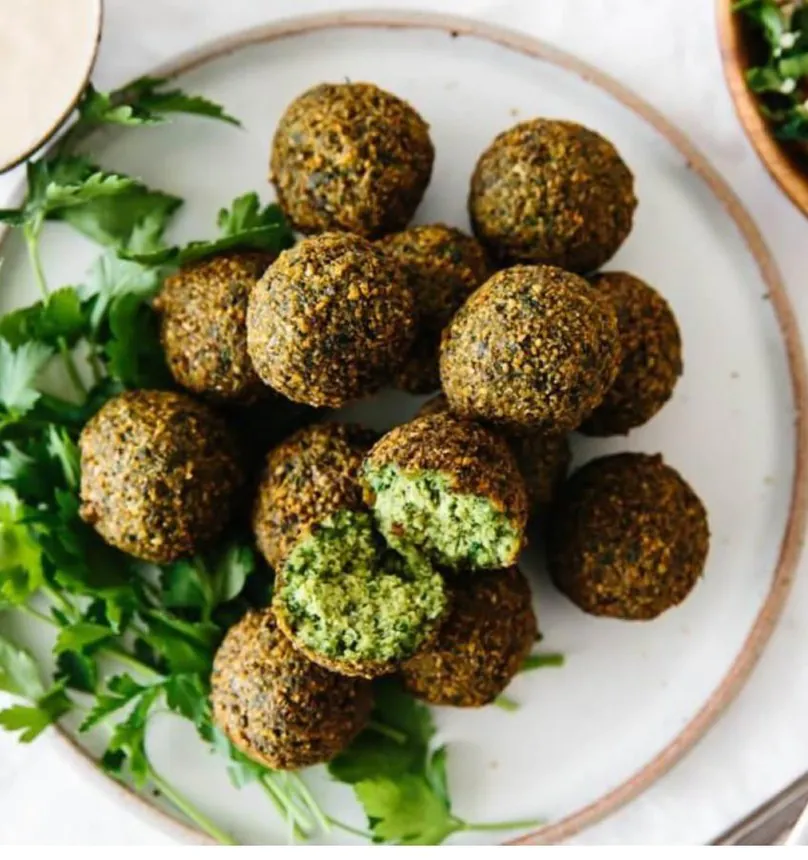
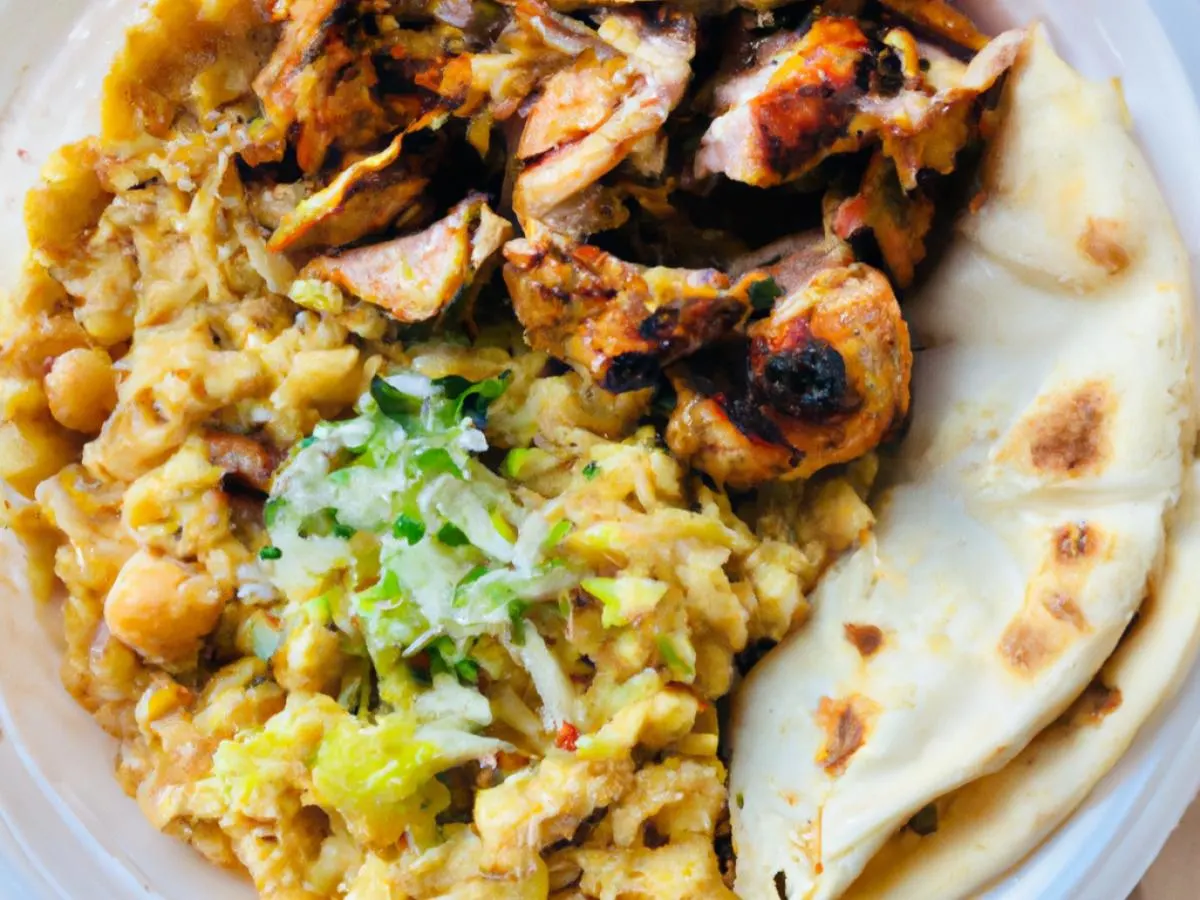
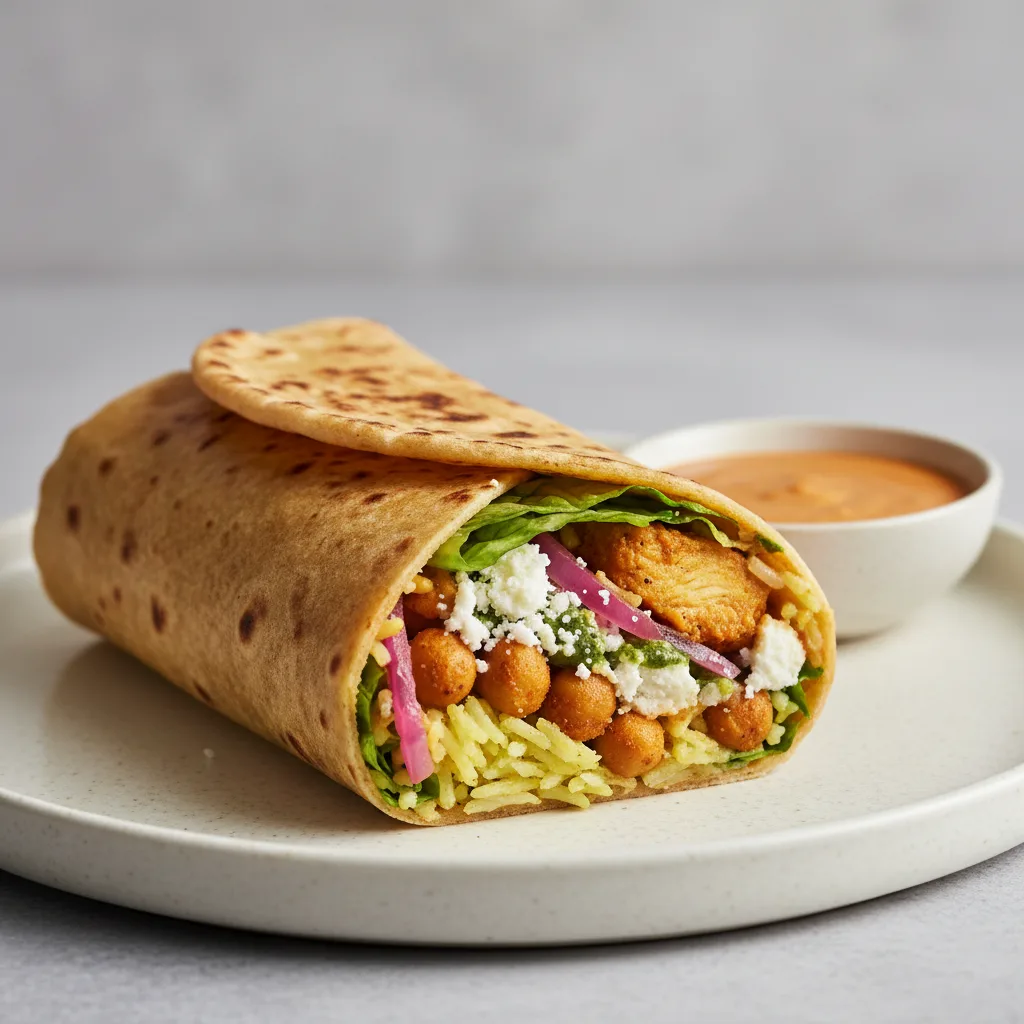
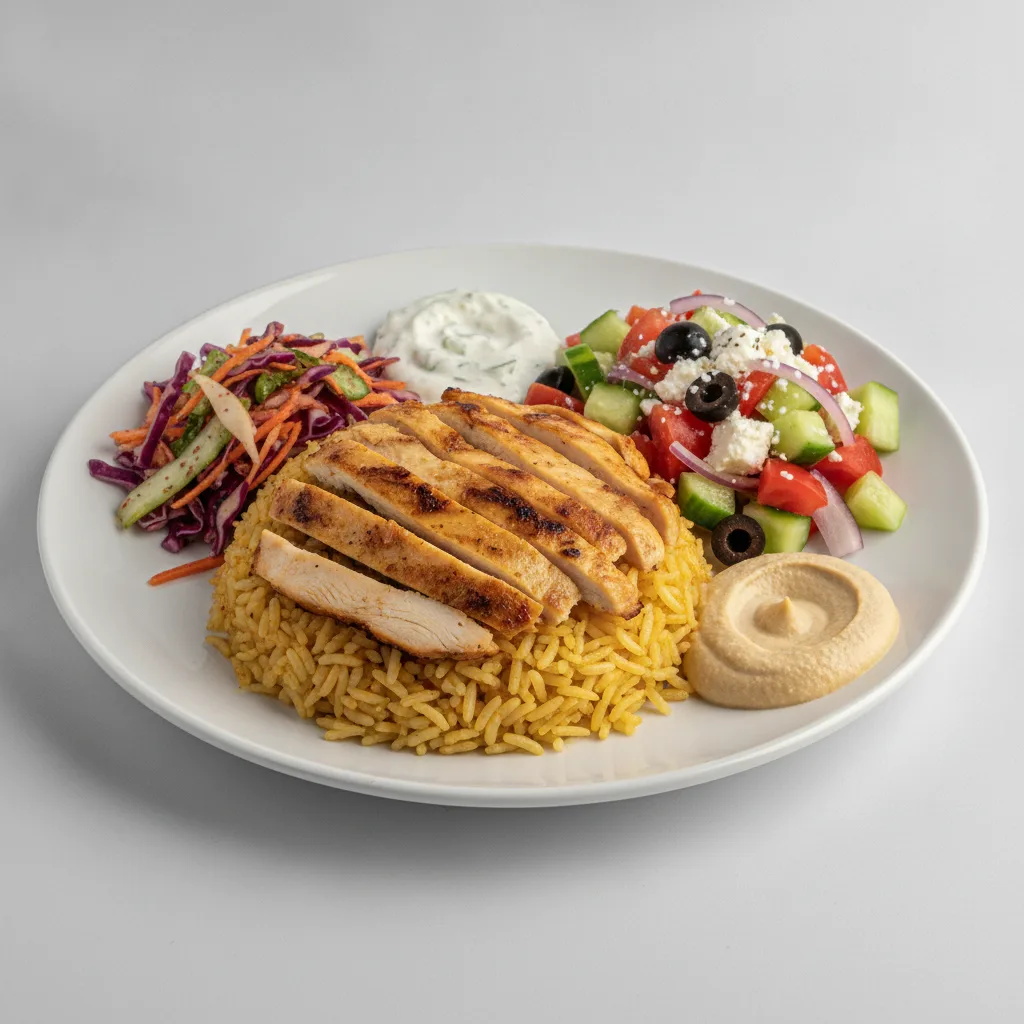
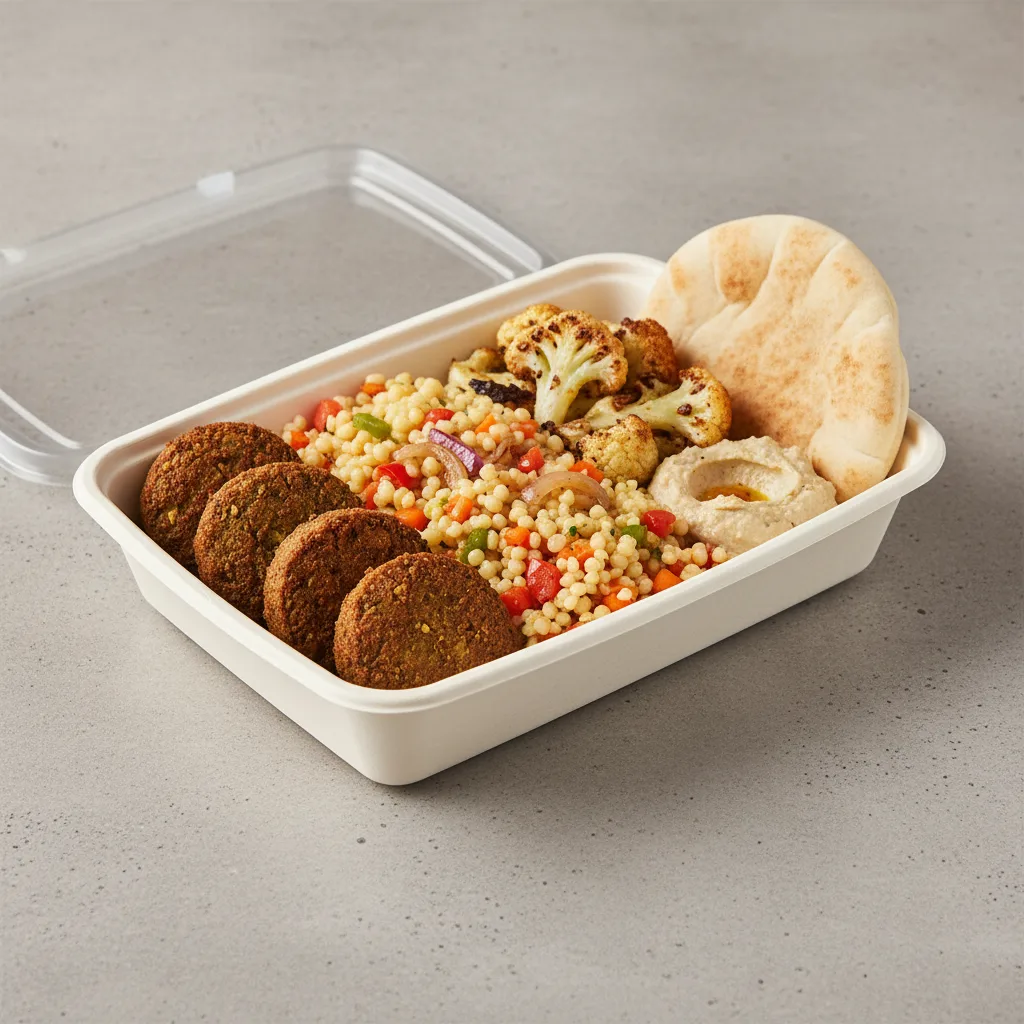
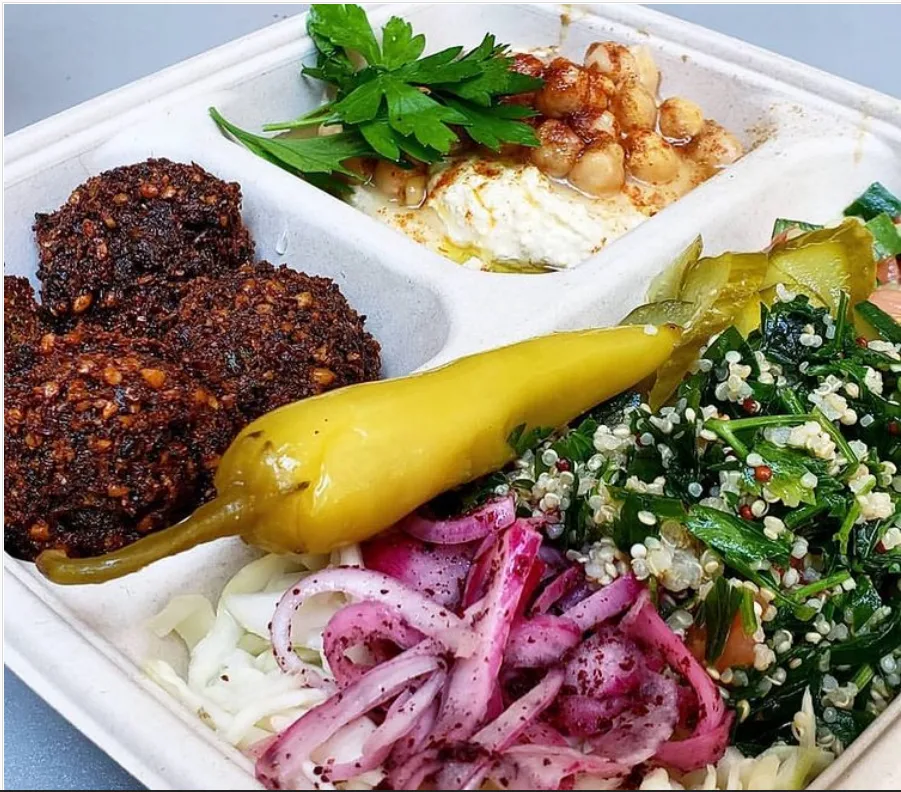
Israeli catering mixes street food with a salad bar: falafel and sabich in pita, chicken schnitzel, shawarma, creamy hummus, and chopped Israeli salad. Much of the menu is vegetarian, so one spread covers most of a mixed room.
X
Use My Location
Try a different prompt
Enter your address to continue.
Promotions Promotions icon
Special offers and exclusive catering benefits available for your team. Only one promotion per order. We’ll automatically apply the one that saves you the most.
Israeli Catering

What to order for Israeli catering: sabich, schnitzel, and the salad table

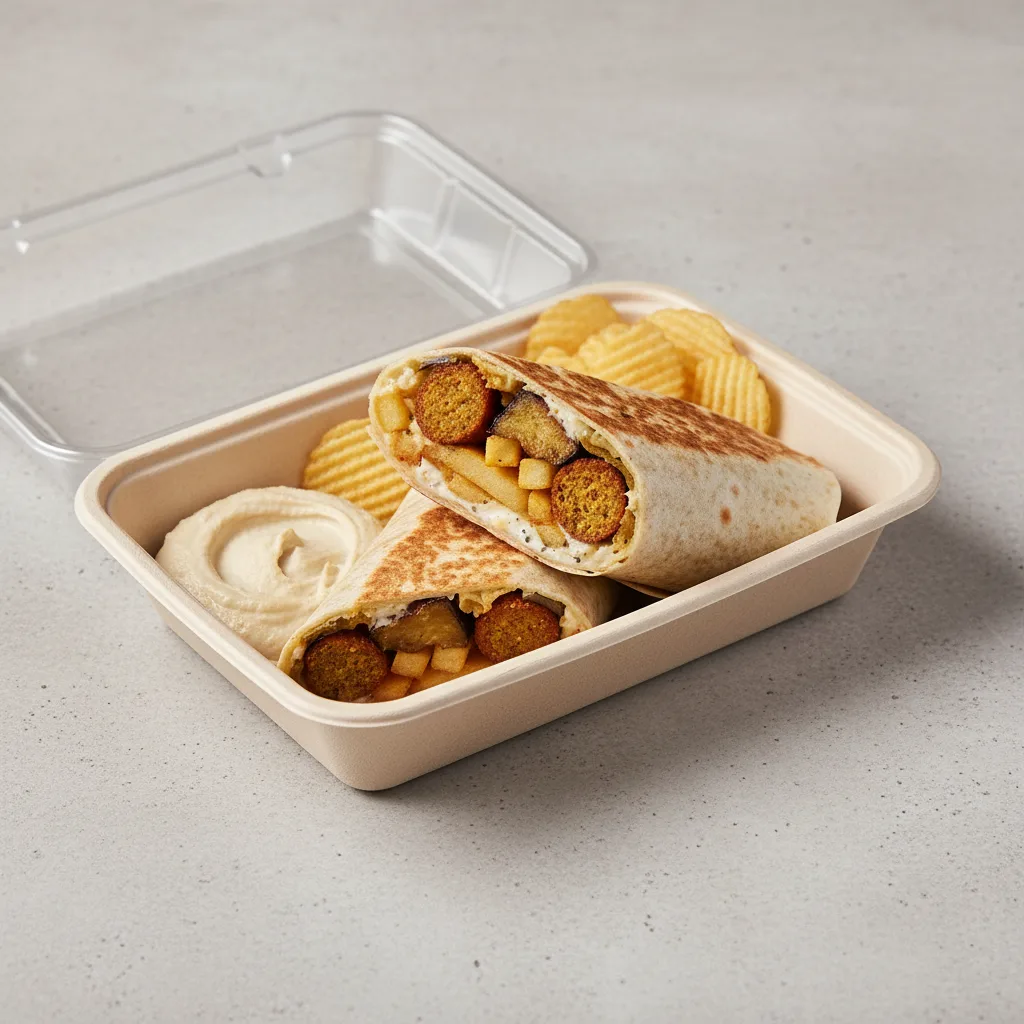
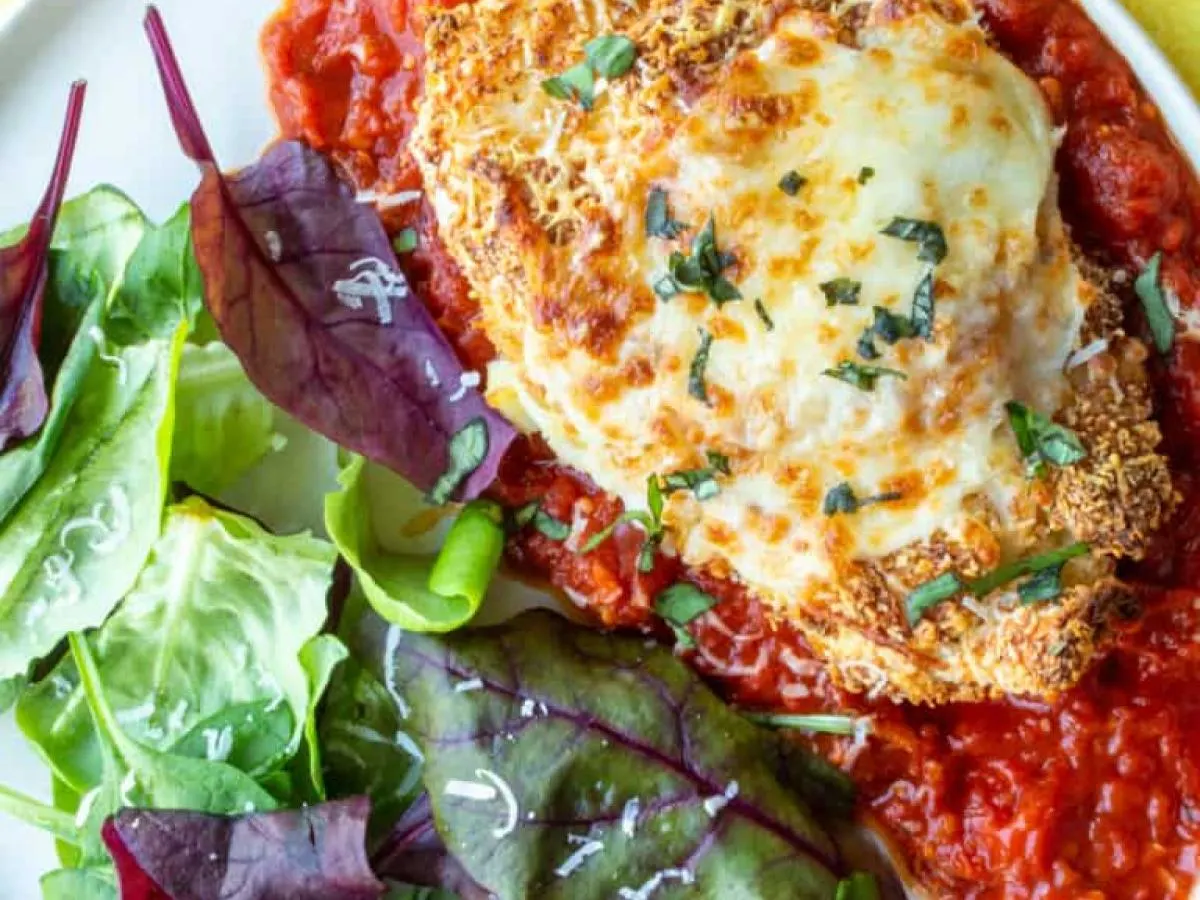
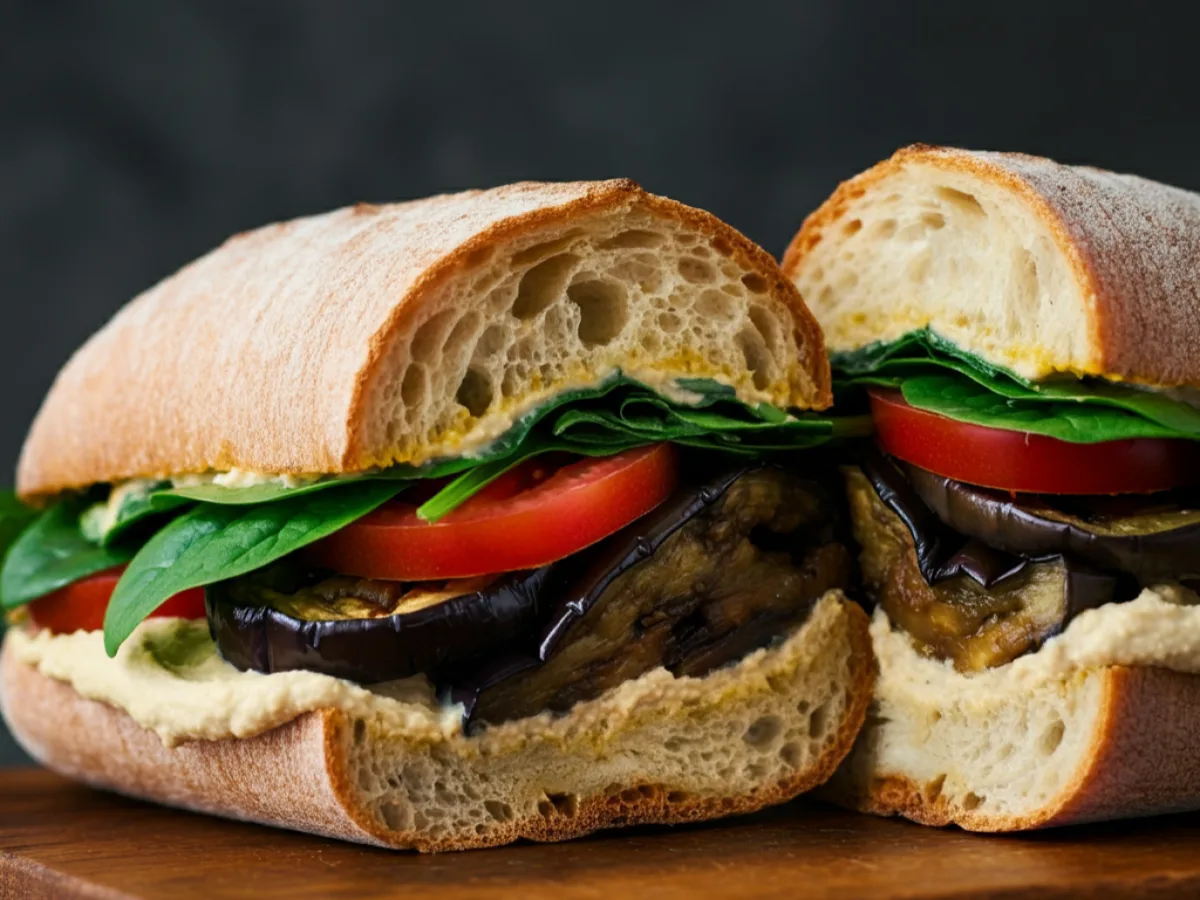
Israeli food is street food and salad, a good shape for an office. Two sandwiches anchor it. Sabich is hard-boiled egg, fried eggplant, hummus, tahini, chopped salad, pickles, and amba in pita, and it may be the best vegetarian lunch a kitchen can hand you. Schnitzel is a thin breaded chicken cutlet, fried, in pita with the same salads or on a plate with rice.

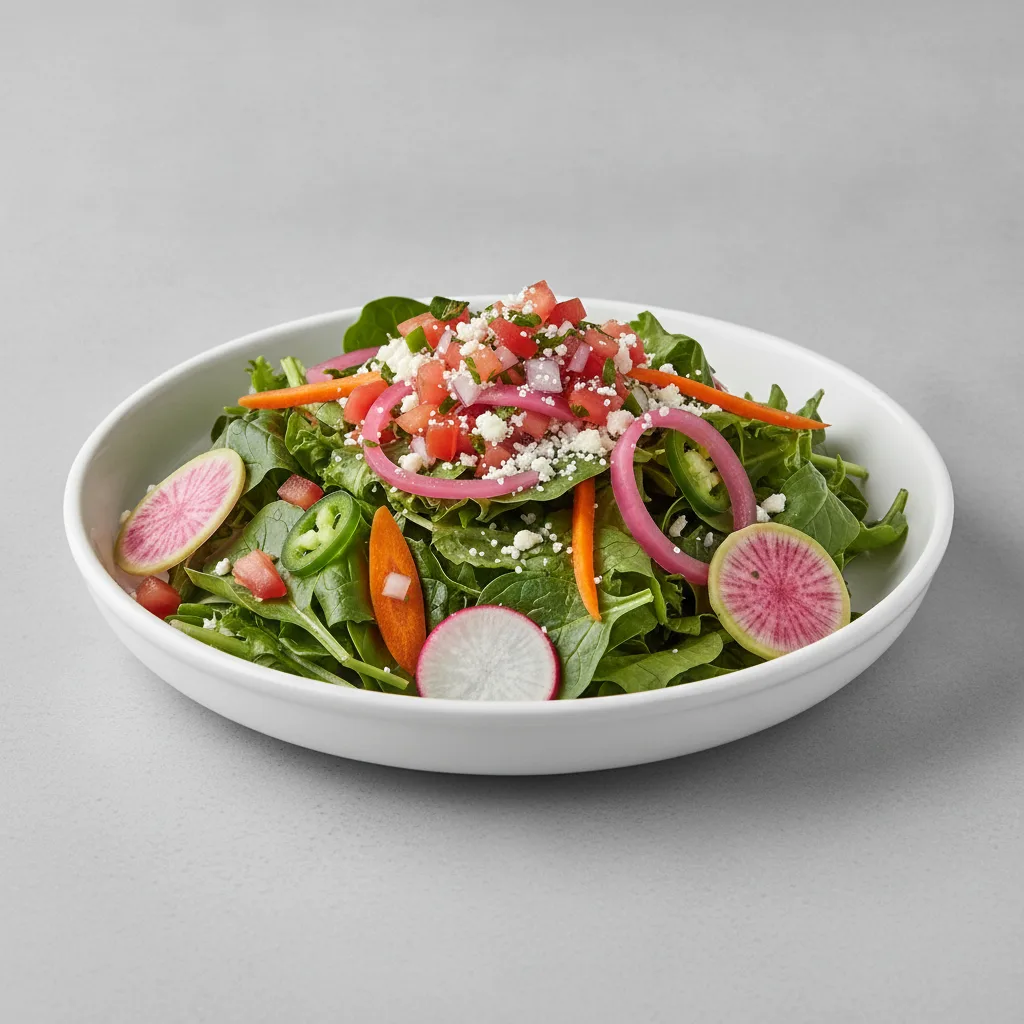
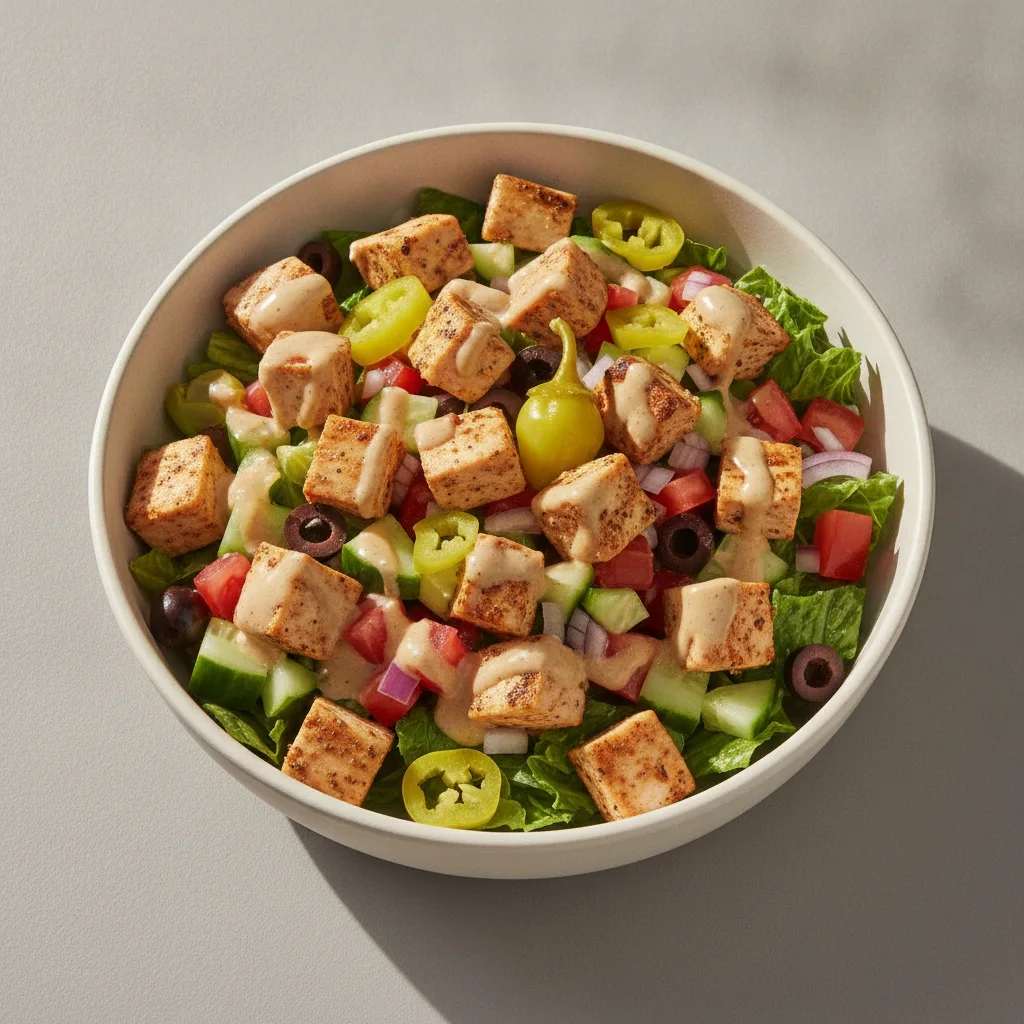
Then the salad table, which is not a side. Israeli salad is cucumber, tomato, onion, and parsley chopped fine and dressed with lemon and olive oil. Around it go hummus, roasted eggplant, pickled cabbage, and a bowl of tahini. Order the salads at main-course volume.


How to order Israeli catering for a room that keeps kosher: ask about certification before the menu

Israeli food and kosher food are two different orders, and the word Israeli on a menu says nothing about certification. Many Israeli catering kitchens in the United States cook a menu that is kosher in spirit, with no pork and no shellfish, and are not certified. If someone in the room keeps kosher, the certification question comes before the menu, and kosher catering explains the levels and what each one asks of a kitchen.

Where it gets practical: an Israeli spread is heavy on pareve dishes, neither meat nor dairy, so it sits easily beside a certified kosher meal brought in for one or two guests. The kosher office catering post covers how to do that without two separate lunches.

How an Israeli catering spread feeds a mixed-diet room: the vegetarian half is the main event

In most cuisines the vegetarian plate is an afterthought. In Israeli food it is the menu. Sabich, falafel, hummus, Israeli salad, roasted eggplant, tahini, and pickles are all meatless, and most are vegan. Gluten-free guests eat everything except the pita and the schnitzel crust.

The one thing to confirm is the frying. Falafel and schnitzel often share a fryer, which matters to a strict vegetarian more than to anyone else. Ask, and ask for the tahini and amba in bowls rather than drizzled, so each person sets their own plate.

Israeli catering sauces to request: tahini, amba, and schug on the side

Three sauces make the meal.

  • Tahini. Sesame paste thinned with lemon and water into a pourable sauce.
  • Amba. Pickled mango sauce, tangy and a little funky. It came to Israel with Iraqi Jews, and it is what makes sabich taste like sabich.
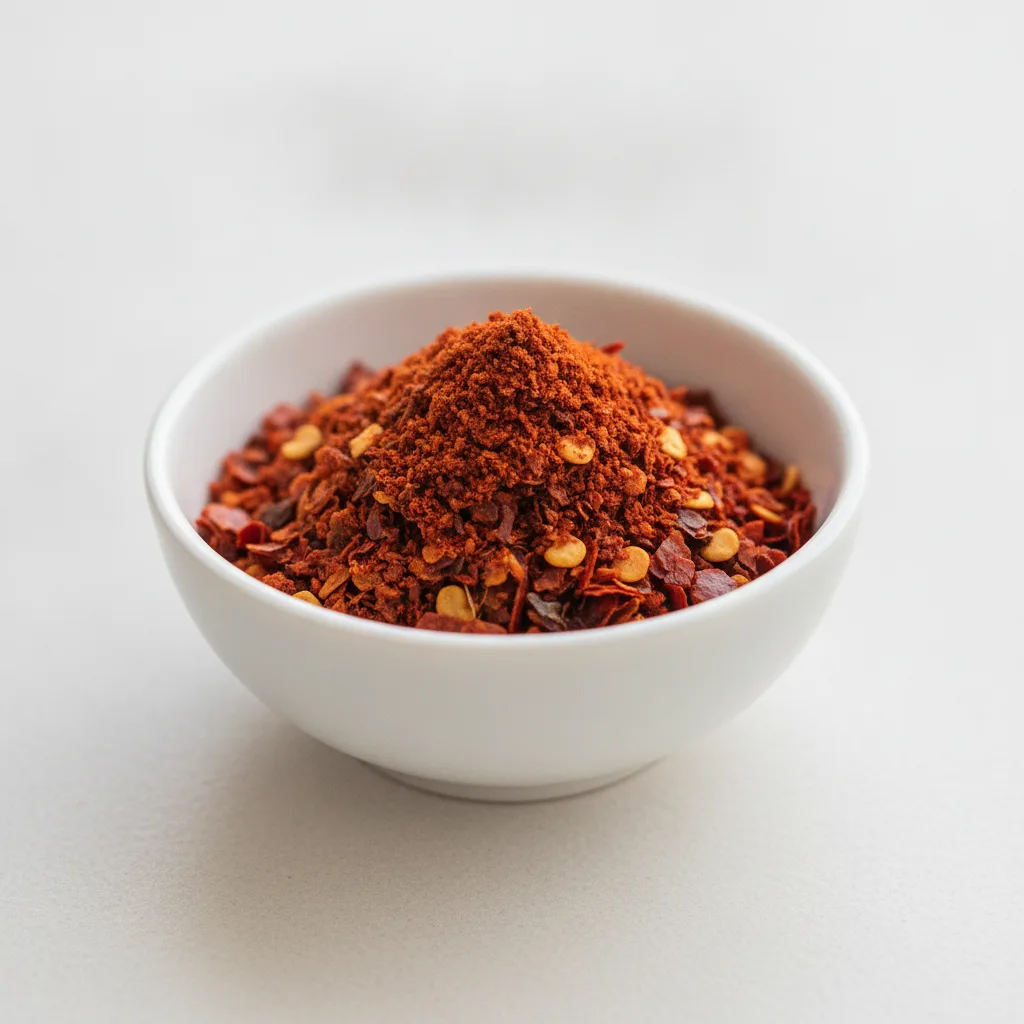
  • Schug. Yemenite hot sauce of green or red chilies, garlic, and herbs. Hot by the half spoon, so it stays on the side.

Most of our Israeli catering partners cook in New York. Bite, a Midtown kitchen whose menu runs well past the Israeli label, gets its own profile on the blog. Hand CaterAi both counts, guests and vegetarians, and it plans the spread with the sauces in bowls. Everything else we book from is in the list of catering cuisines.

Israeli catering FAQs

Is Israeli catering kosher?

Not automatically. Israeli describes the cuisine and kosher describes a certification, and many Israeli kitchens in the United States hold no certification. If a guest keeps kosher, ask the kitchen whether it is certified and by whom. If no one does, order Israeli food as a cuisine and leave kosher out.

What is sabich?

Sabich is an Israeli pita sandwich of fried eggplant slices, a boiled egg, hummus, tahini, Israeli salad, pickles, and amba, sometimes with potato. It began as an Iraqi Jewish Sabbath breakfast and became street food in Tel Aviv. It is vegetarian, filling, and the dish to order when a room is tired of falafel.

What is the difference between Israeli and Lebanese food?

They share the Levantine table: hummus, tahini, falafel, chopped salads, grilled meats, pita. Lebanese cooking is older and more codified, with toum, kibbeh, fattoush, and a formal mezze course. Israeli cooking is newer and borrows widely, from Iraqi amba and Yemenite schug to Eastern European schnitzel.

What is amba?

Amba is a pickled mango condiment, bright yellow from turmeric and fenugreek, with a sharp, tangy, slightly funky flavor. Iraqi Jews brought it to Israel, where it became the sauce on sabich and a common addition to shawarma and falafel. A small bowl goes a long way, and it is vegan, so set it beside the tahini.