Chinese Catering: Diverse Cuisine for Your Next Event

Order catering instantly with CaterAi

Ready to get Chinese food delivered right to your event location? Chat with CaterAI to build menus, book event staff, and arrange themed decor.
X
Use My Location
Try a different prompt
Please enter your event location to continue.
Corporate catering Chinese food

How a Chinese catering order is structured: shared dishes, one per three or four people

A Chinese catering order does not count entrees. It counts dishes, and each one goes to the middle of the table. The working ratio is one dish per three to four people, with rice for the group on top of that count, not inside it.

Spread the dishes across three lines: proteins, at least one vegetable, and a noodle or rice dish. Twenty people come out at five or six dishes plus rice. On a thin budget, add a dish and drop the volume of each rather than doubling one tray. More dishes at smaller volume is what makes a mid-range spend look generous.

Which Chinese dishes belong in an office order: crowd-pleasers, and one vegetable that earns its place

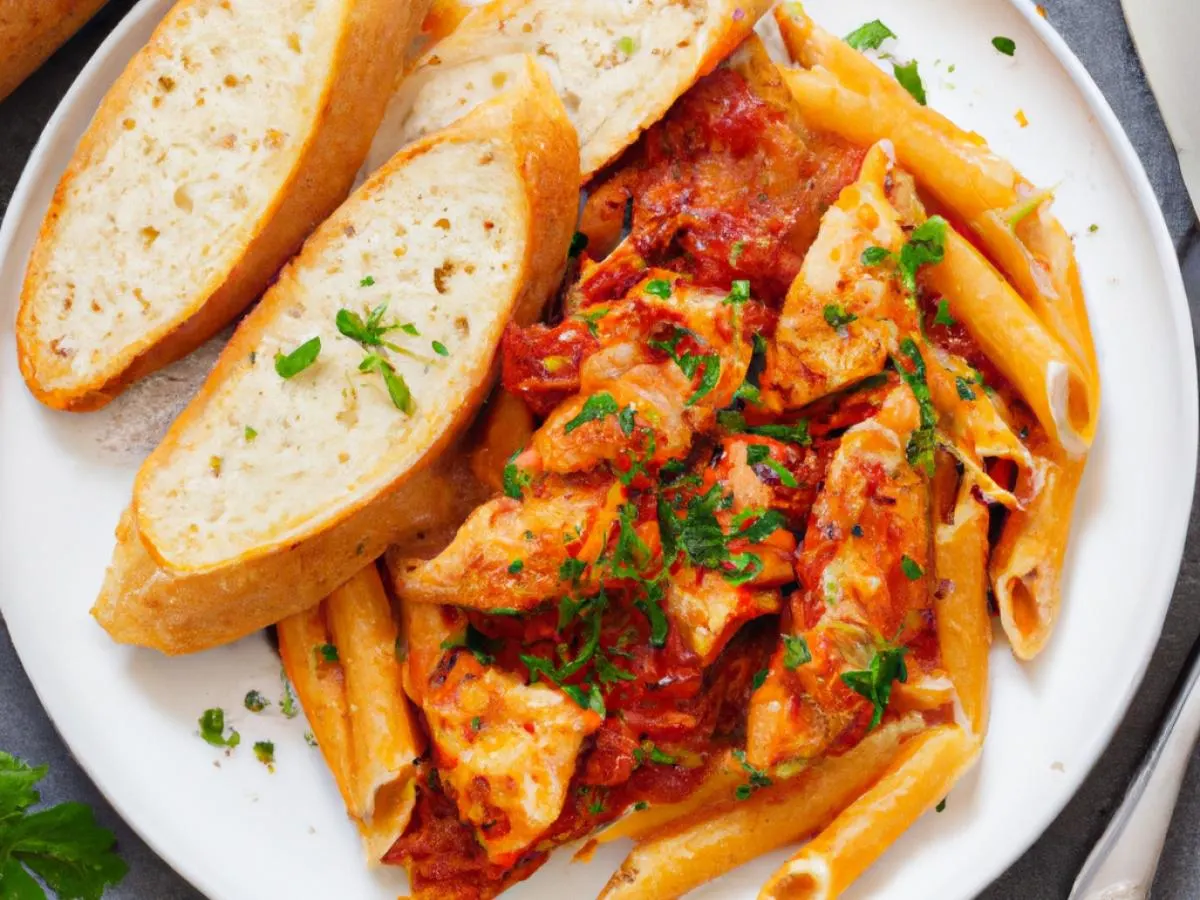
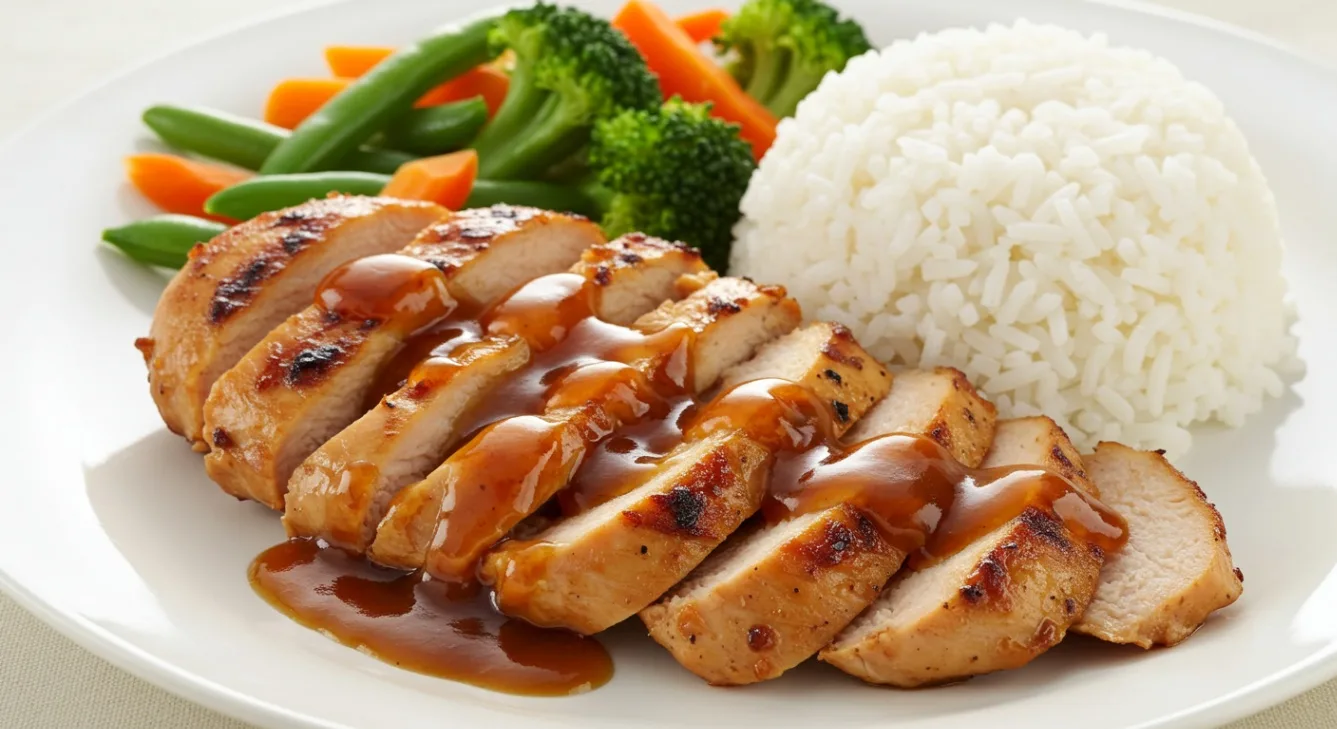
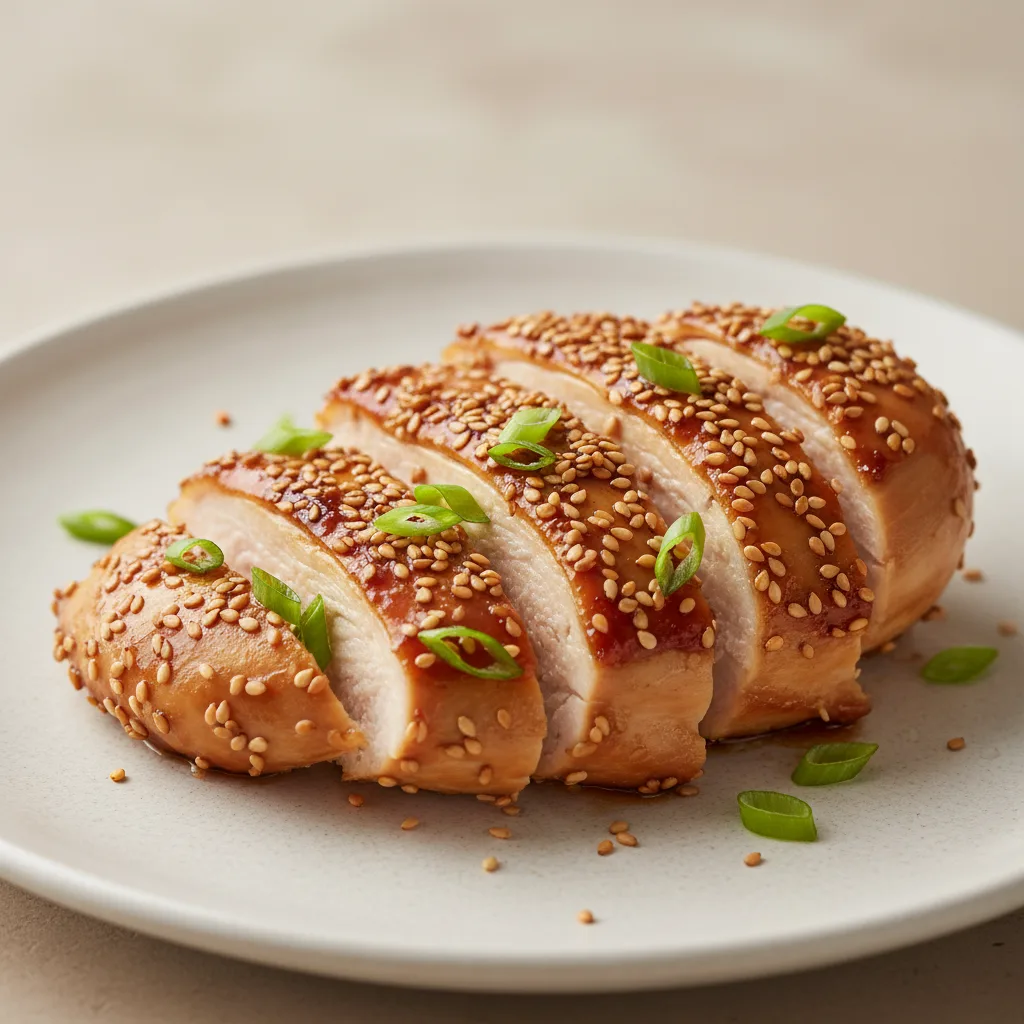
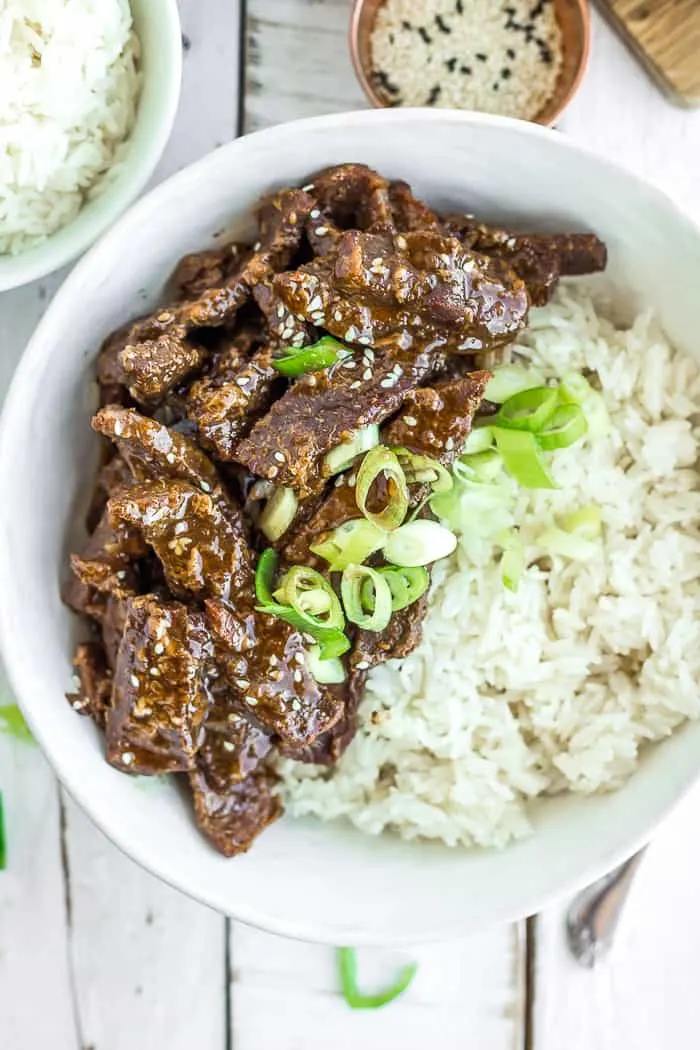
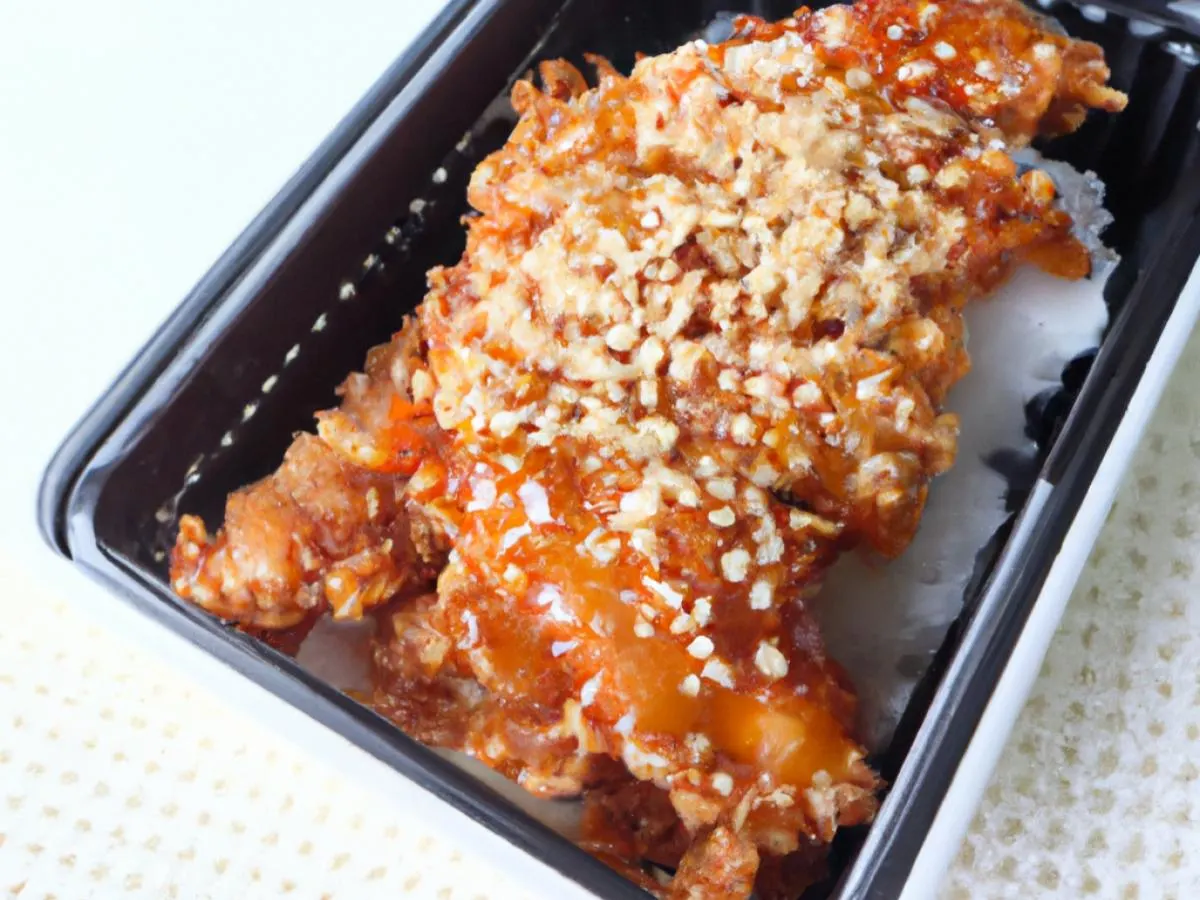
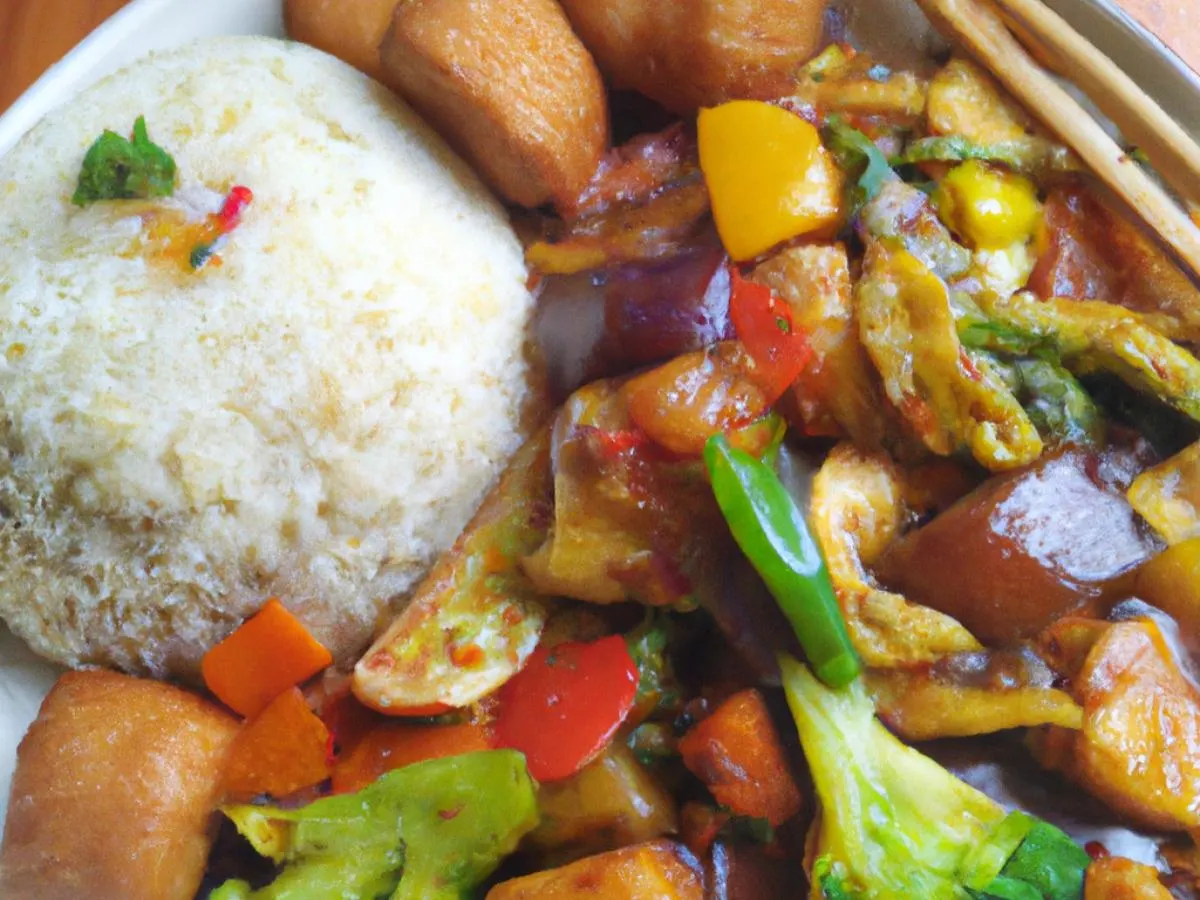
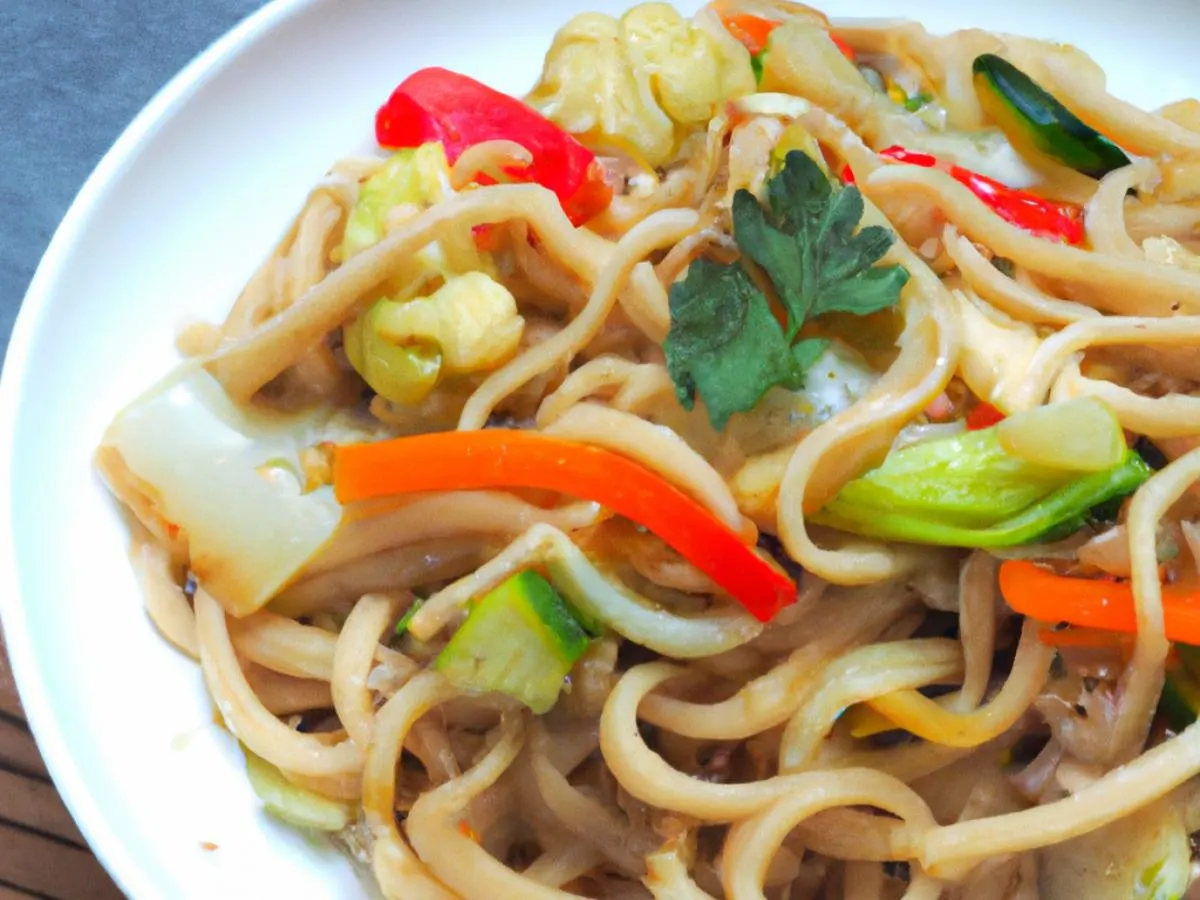
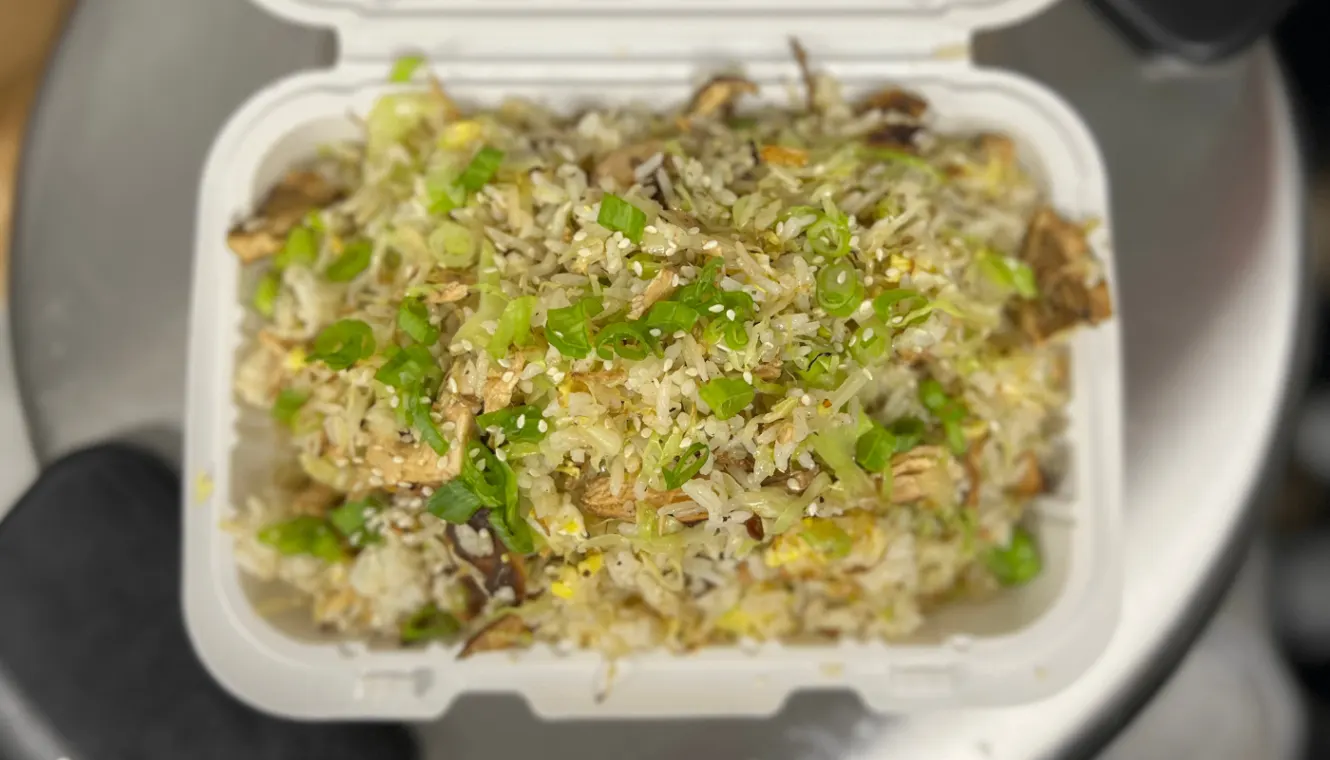
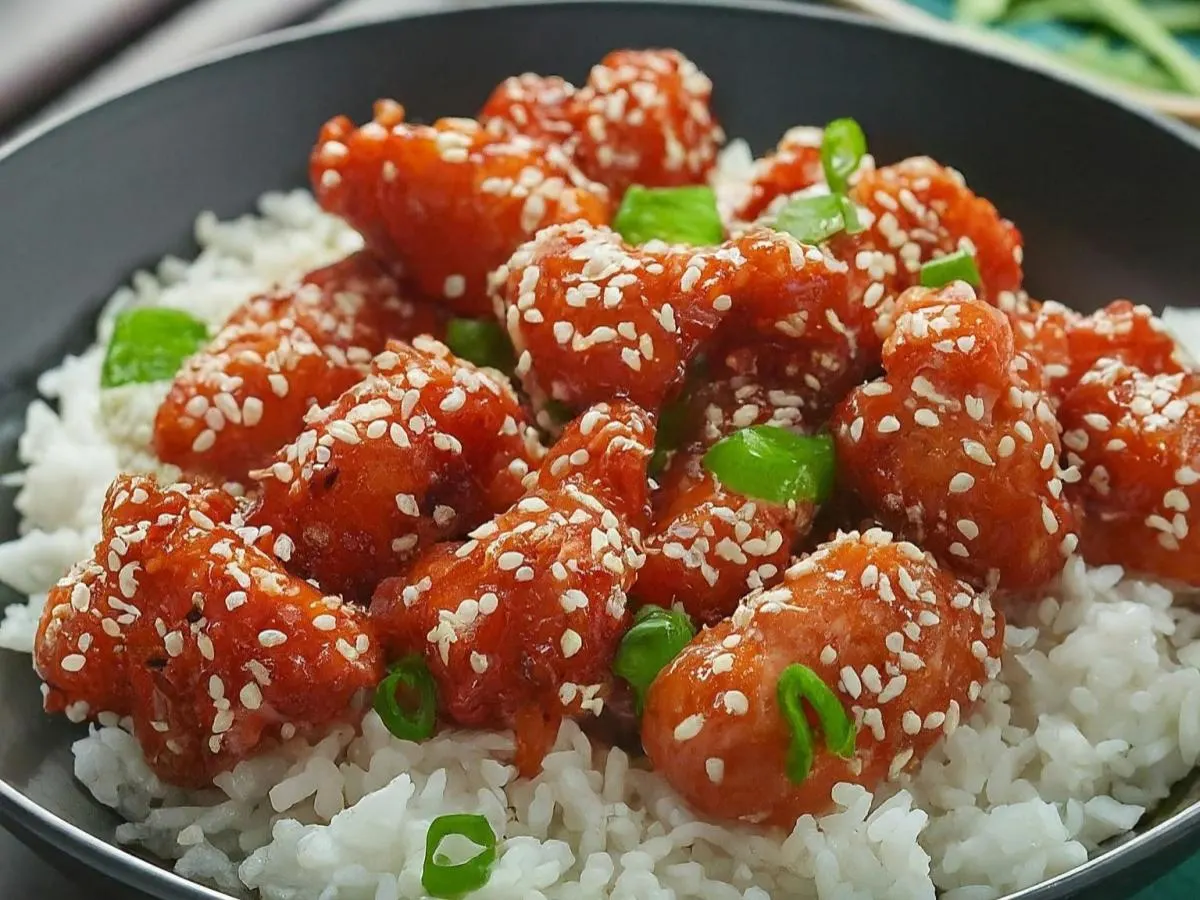
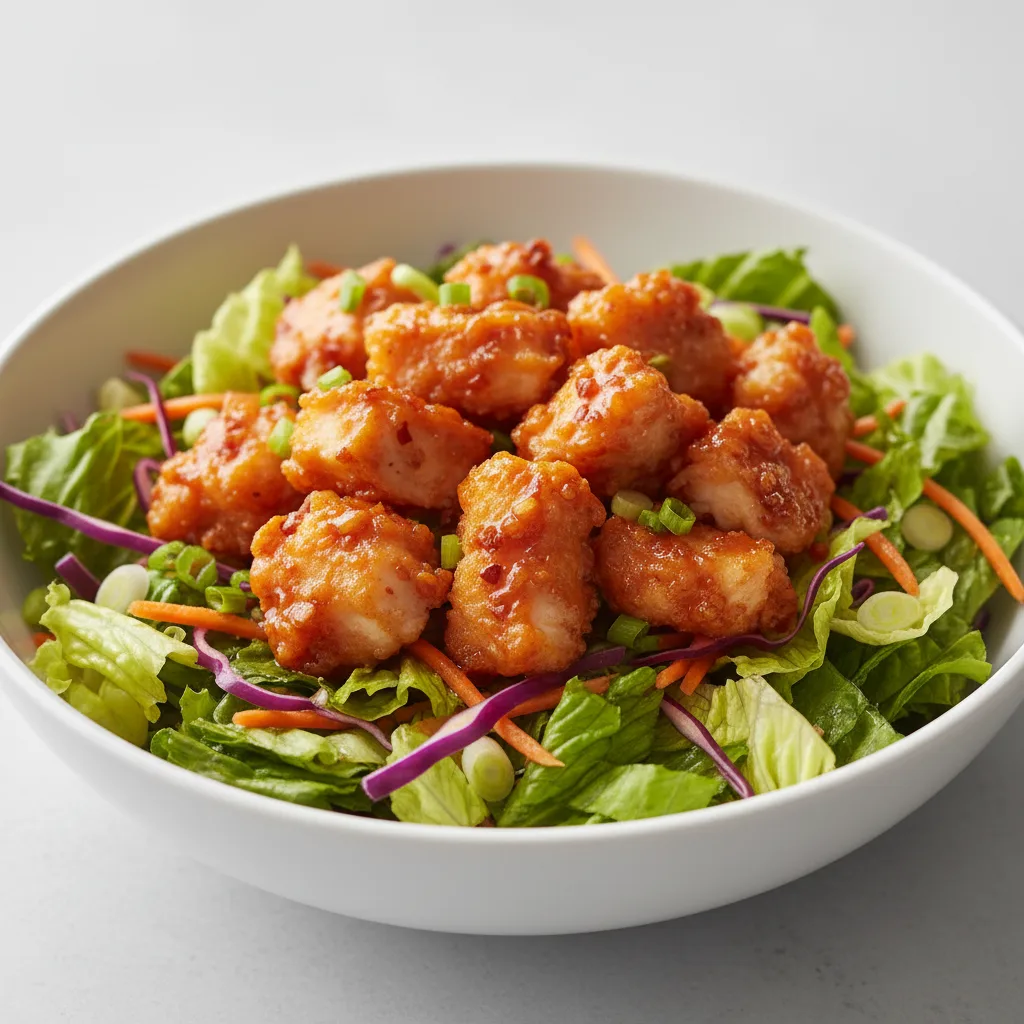
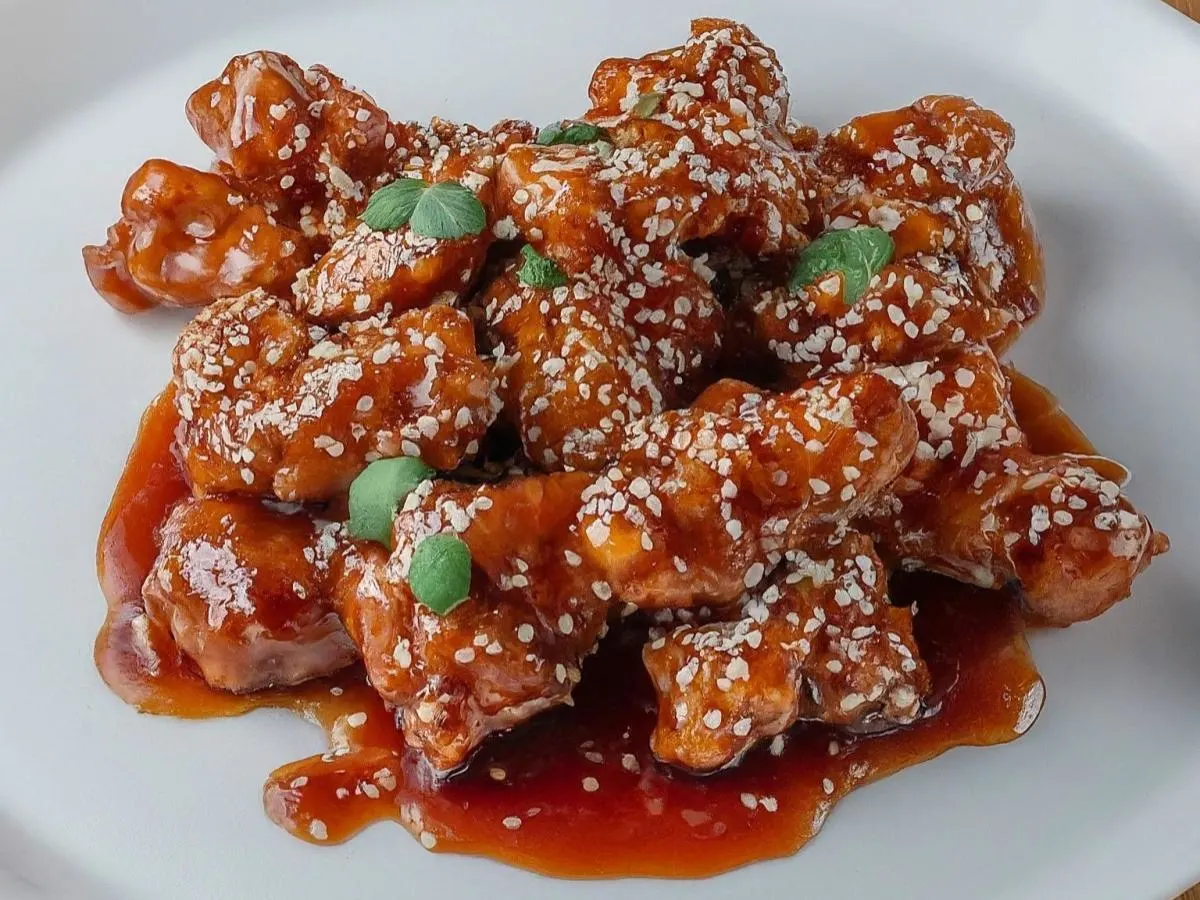
Some dishes clear the tray every time: orange chicken or General Tso’s, beef and broccoli, kung pao chicken, lo mein, and fried rice, with potstickers as the shared opener.

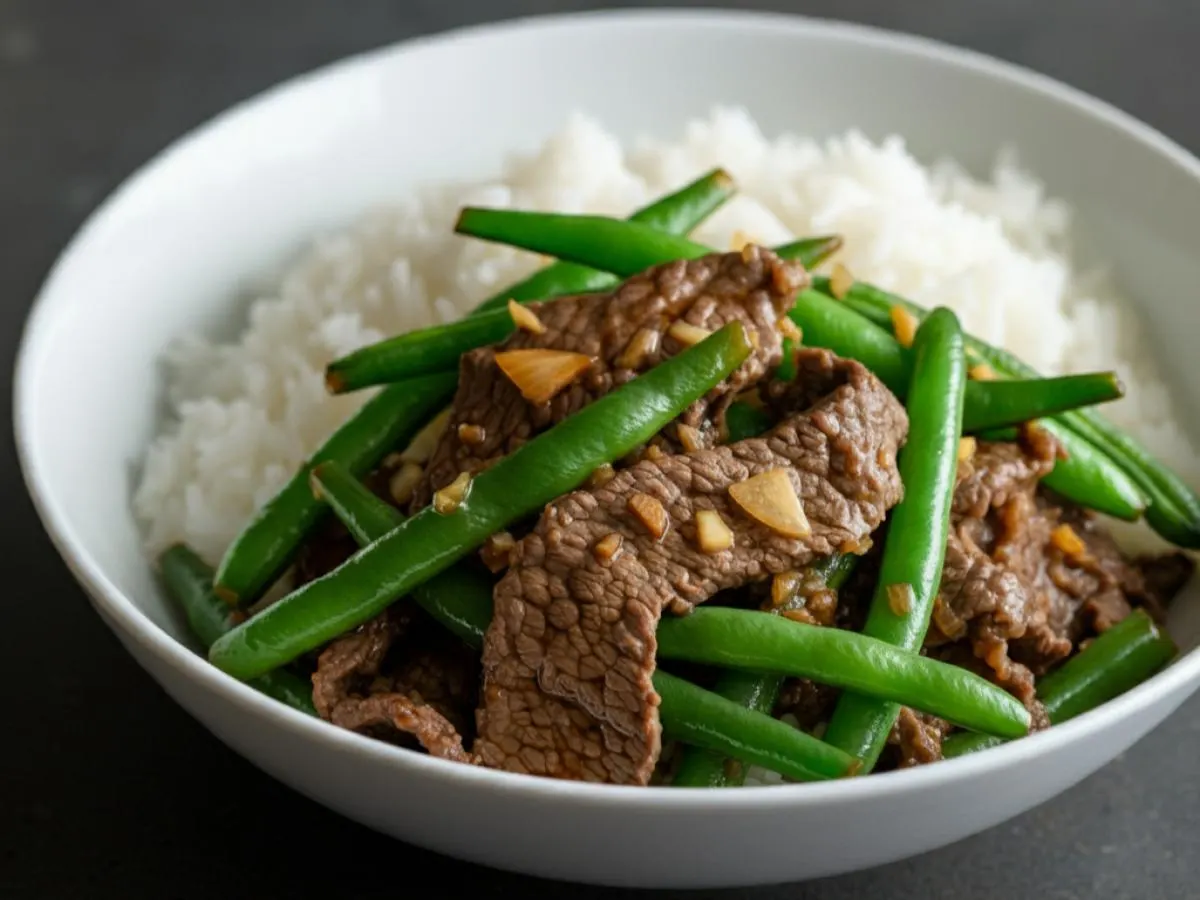
The vegetable is where office orders get lazy, and a tray of plain steamed vegetables comes back nearly full. Order one that stands on its own sauce instead: garlic green beans, eggplant in garlic sauce, or bok choy. Keep steamed items next to the fried ones, because an all-battered spread reads heavy by mid-afternoon. Thai catering runs on the same shared-dish math with the heat dialed up.

Which allergens hide in Chinese catering: the answer is usually in the sauce

Most of the risk travels in sauce, not in the obvious ingredient. Standard soy sauce is brewed with wheat, so a dish with no bread in it still carries gluten. Sesame oil finishes plates straight off the wok, peanuts sit in kung pao and in several dipping sauces, and oyster sauce puts shellfish in dishes with none in sight. A vegetable dish therefore needs its own sauce check.

Ask the caterer to answer dish by dish, not menu by menu:

  • Which dishes carry peanut, sesame, or shellfish-derived sauce.
  • Whether the vegetables are finished with oyster sauce.
  • Whether gluten-free soy sauce is an option.

Then label the trays, because shared service hides all of it.

When to box Chinese catering and when to put it on the table family-style

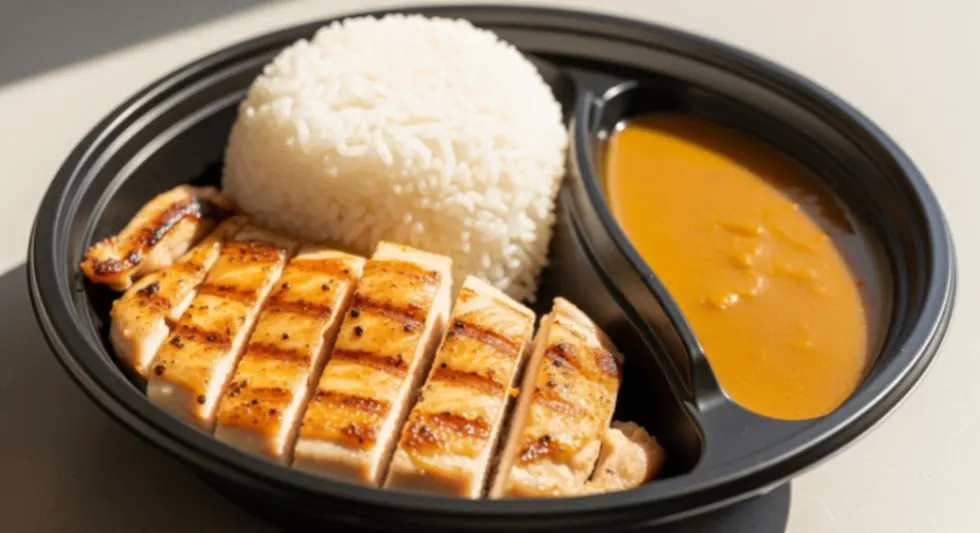
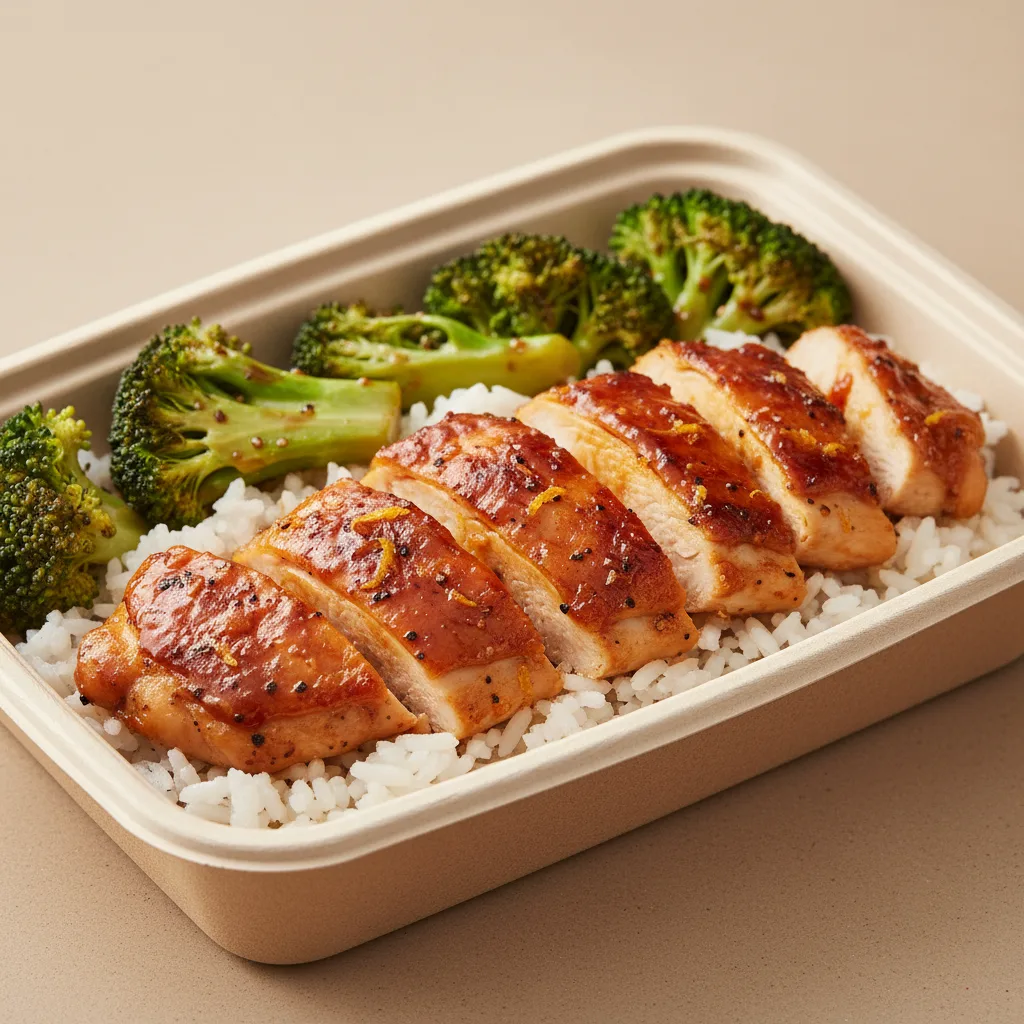
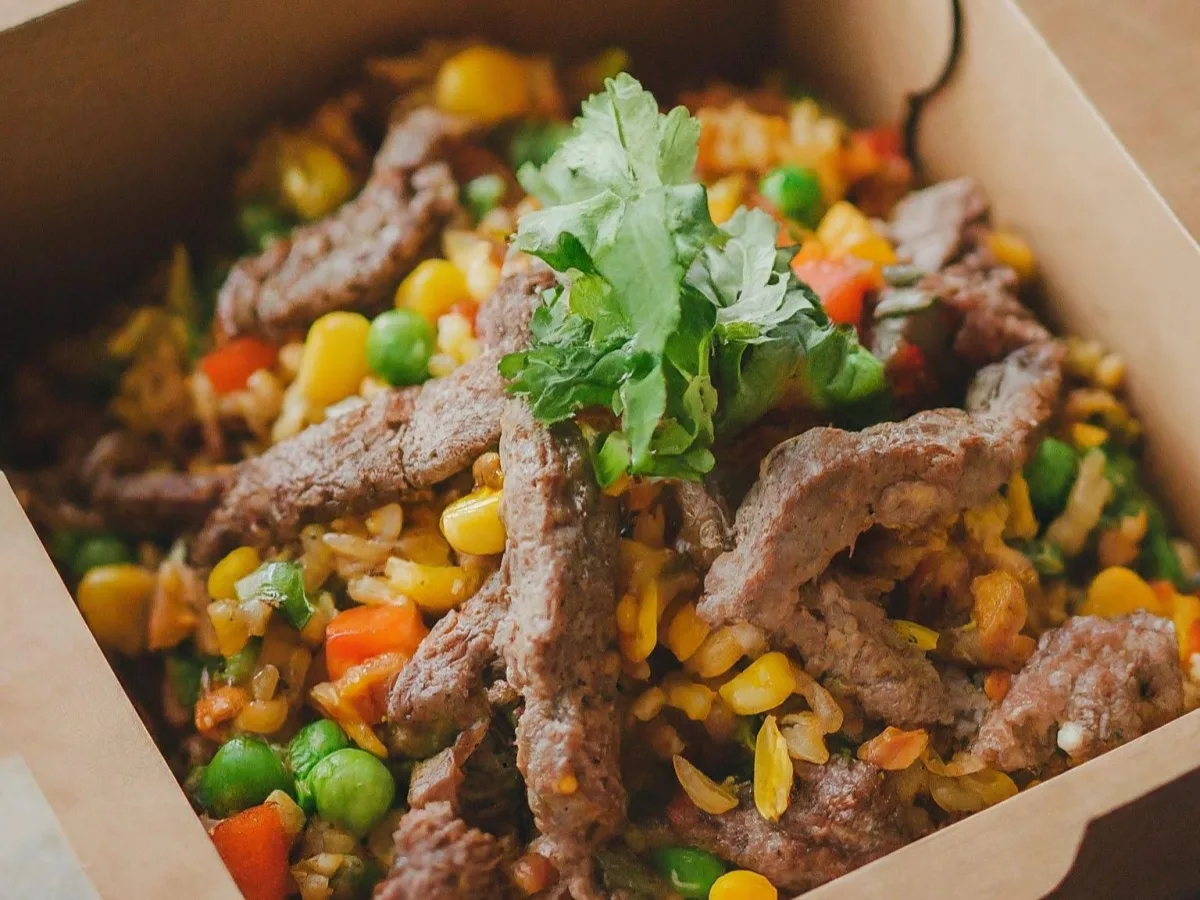
Boxing is native to Chinese food rather than a compromise, because the cuisine has spent decades being packed for delivery. Rice under one or two dishes holds heat, skips the serving line, and hands each person a sealed meal, which suits a meeting with a hard stop. Fried items soften under a lid, so keep the fried count low when the drive is long.

Family-style belongs to the celebrations: a quarter close, a team win, a Lunar New Year lunch where whole fish, long noodles, and dumplings each carry a meaning. Tell CaterAi how many people are eating and what you want to spend, and the menu it returns has the dish count already solved, the one number most Chinese orders get wrong. The full run of catering menus by cuisine shows what else pairs onto a shared table.

Chinese catering FAQs

How many dishes do you order for Chinese catering for 20 people?

Five or six dishes plus steamed rice, working from one dish per three to four people. A reliable split is three proteins, one or two vegetables, and one noodle tray. If the group skews hungry, add a seventh dish rather than more of any one dish.

What are reliable first picks for office Chinese catering?

Orange chicken or General Tso’s, beef and broccoli, kung pao chicken, lo mein, and fried rice clear trays in almost any office. Add potstickers as the opener and one vegetable with a real sauce, like garlic green beans, so the greens do not come back full.

Which common allergens show up in Chinese catering?

Soy, wheat, sesame, peanuts, and shellfish, and they arrive through sauces more often than through headline ingredients. Oyster sauce puts shellfish into vegetable dishes, standard soy sauce carries wheat, and sesame oil finishes many plates. Ask the caterer to flag allergens dish by dish.

Does Chinese food travel well for office delivery?

Yes. Sauced dishes hold heat in transit and reheat cleanly, and the food has been portioned for delivery for decades. Fried items are the exception, because they soften under a lid, so keep them to a small share of the order.