Dairy-Free Catering

Chat with CaterAi to plan your catering

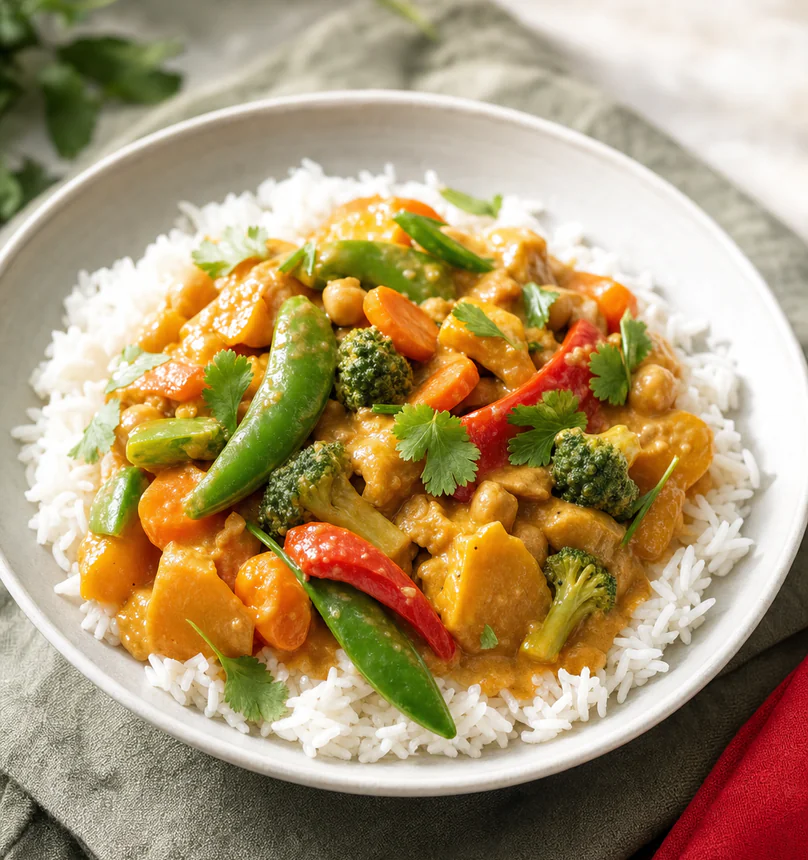
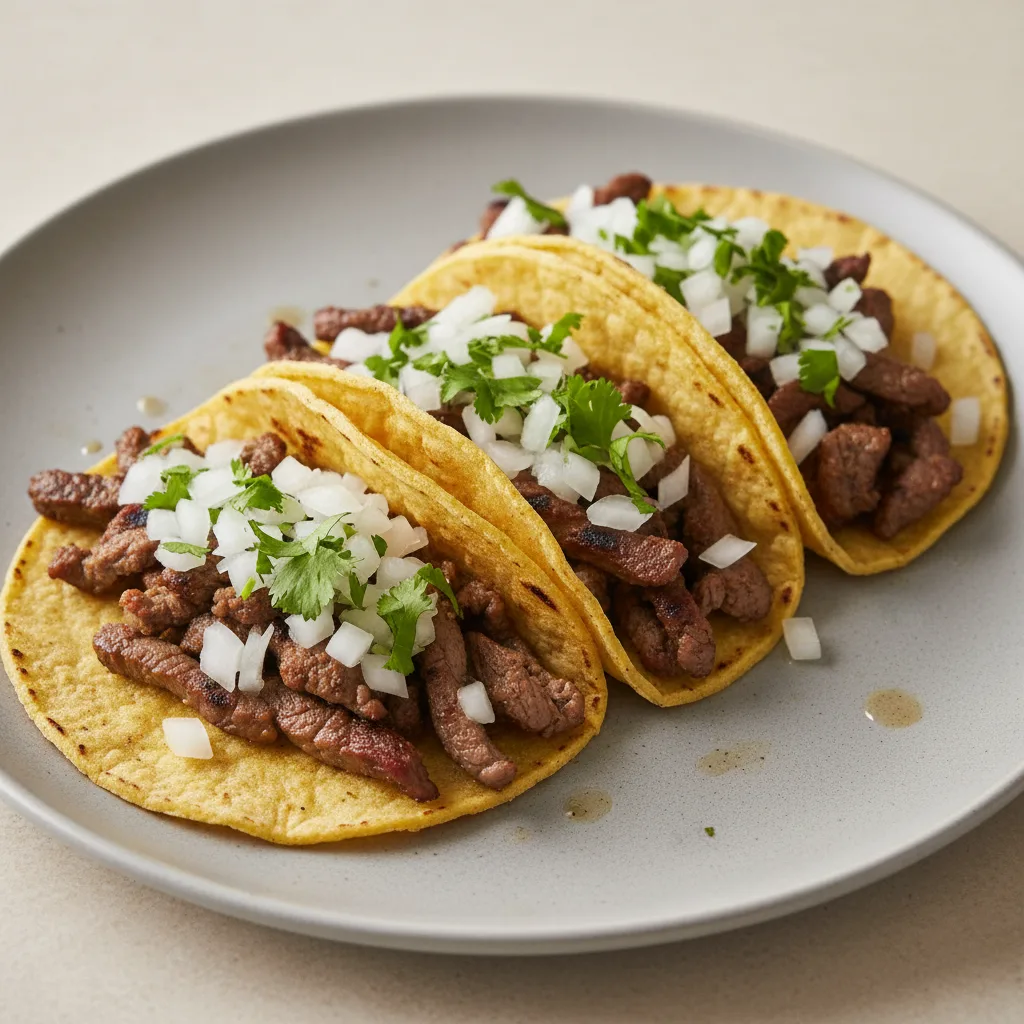
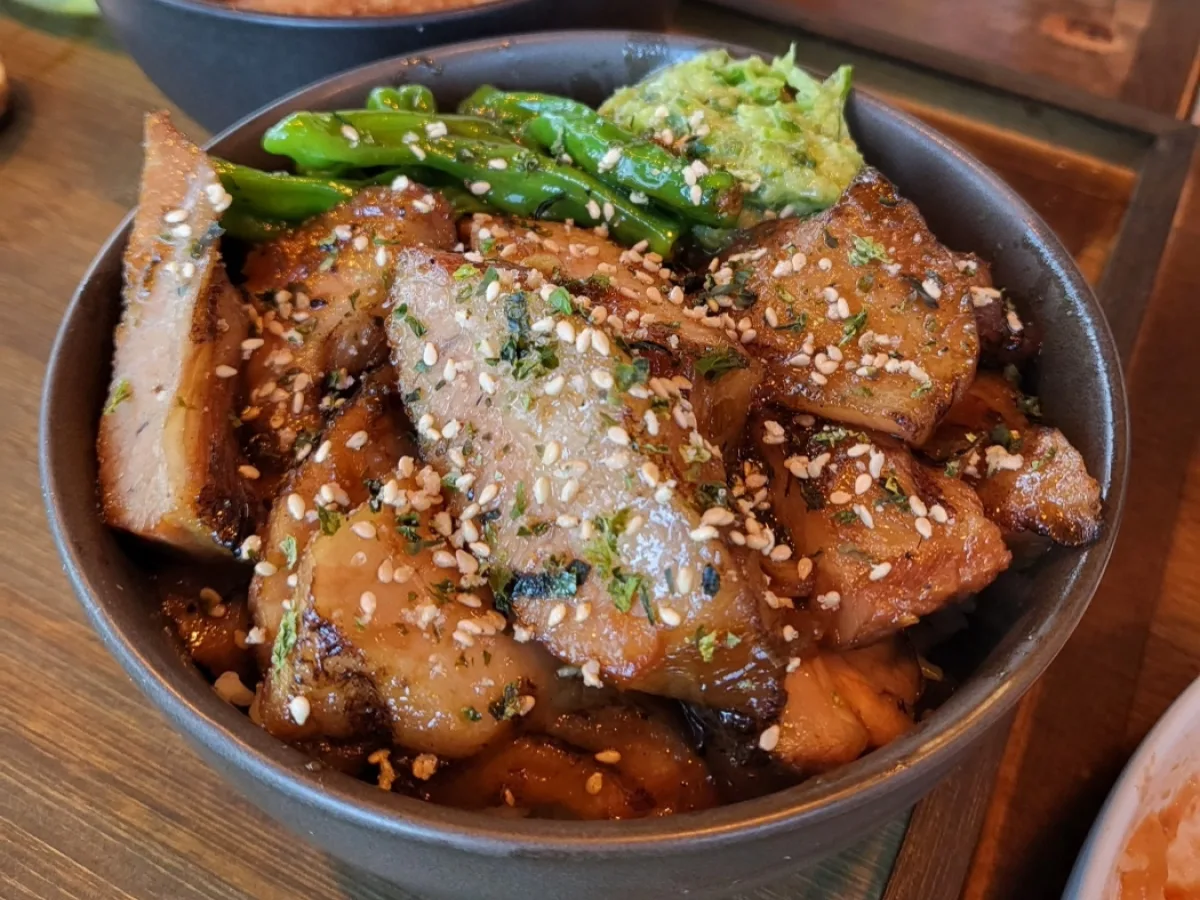
Dairy-free catering for the lactose-intolerant, the dairy-allergic, and anyone who just feels better without it. Coconut-milk curries, grain bowls, roasted proteins, and sides built without milk, butter, or cheese, so the whole team can dig in. Flavor first, no dairy needed.

X
Use My Location
Try a different prompt
Please enter your event location to continue.
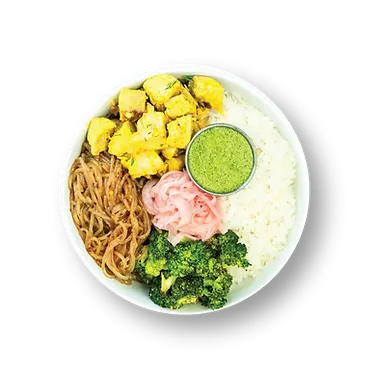

Dairy-Free dietary

Where dairy-free catering orders go wrong: the finish, not the main dish

The entree is usually the safe part. Grilled chicken, roast salmon, plain rice, none of them need dairy to exist. Dairy enters at the last step, after the menu description was written.

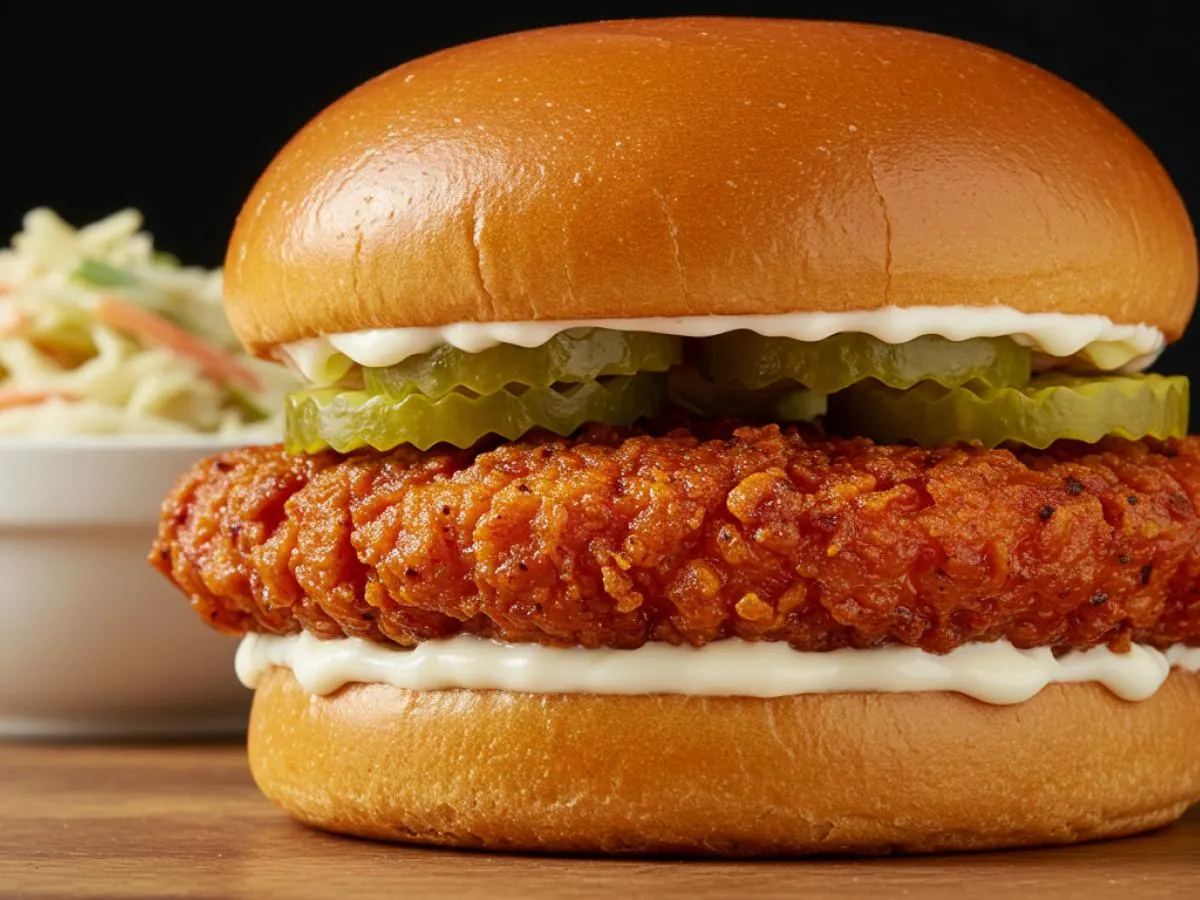
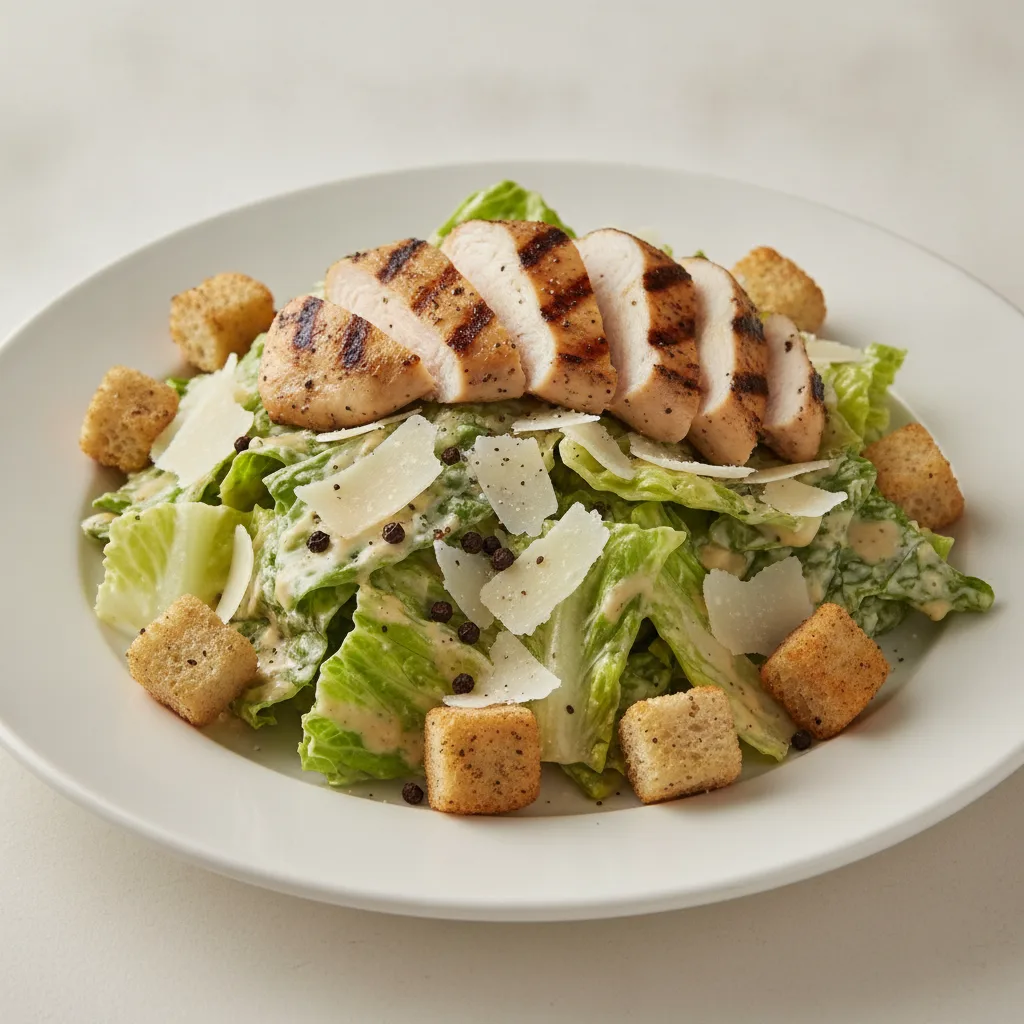
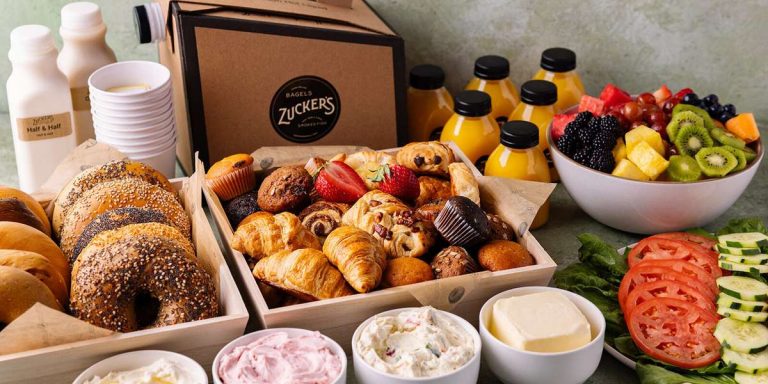
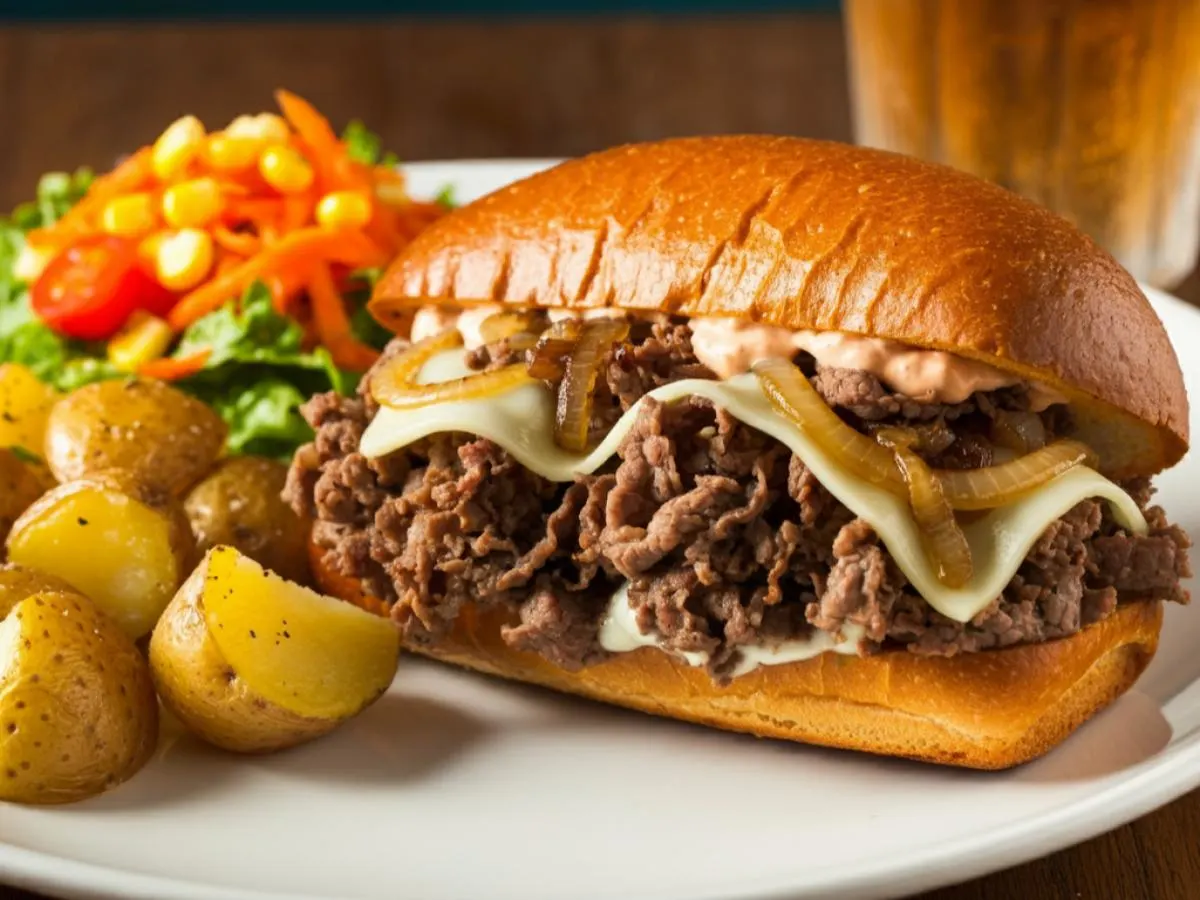
It arrives as butter melted over the vegetables, cream stirred into a soup so it holds in a chafer, cheese dusted over a salad, and a wash of butter on the bread. Finished sauces are the largest source: a pan sauce is mounted with butter, a creamy dressing is dairy from the base up. Our guide to dairy-free office catering works through every position worth checking.


How to order dairy-free catering station by station: sauce, sides, and dessert

Three stations decide the order, and the main dish is not one.

  • Sauce. Make sauce on the side the rule for the whole order, not a note about one guest. Dressings, gravies, glazes, and crema each travel in their own container, and no caterer charges more.
  • Sides. Ask for one vegetable tray with nothing on it, roasted in olive oil with salt. Sides take the butter finish far more often than proteins do.
  • Dessert. The station where dairy-free most often means nothing at all. Name one dairy-free sweet in the order and have it labeled on the tray, ordered alongside the rest, not as a swap.

Fruit is fine as one of two choices and thin as the only one. A bowl of melon while the room eats brownies reads as an apology, not a dessert.

Which cuisines cook without dairy natively, and where a dairy-free order still slips

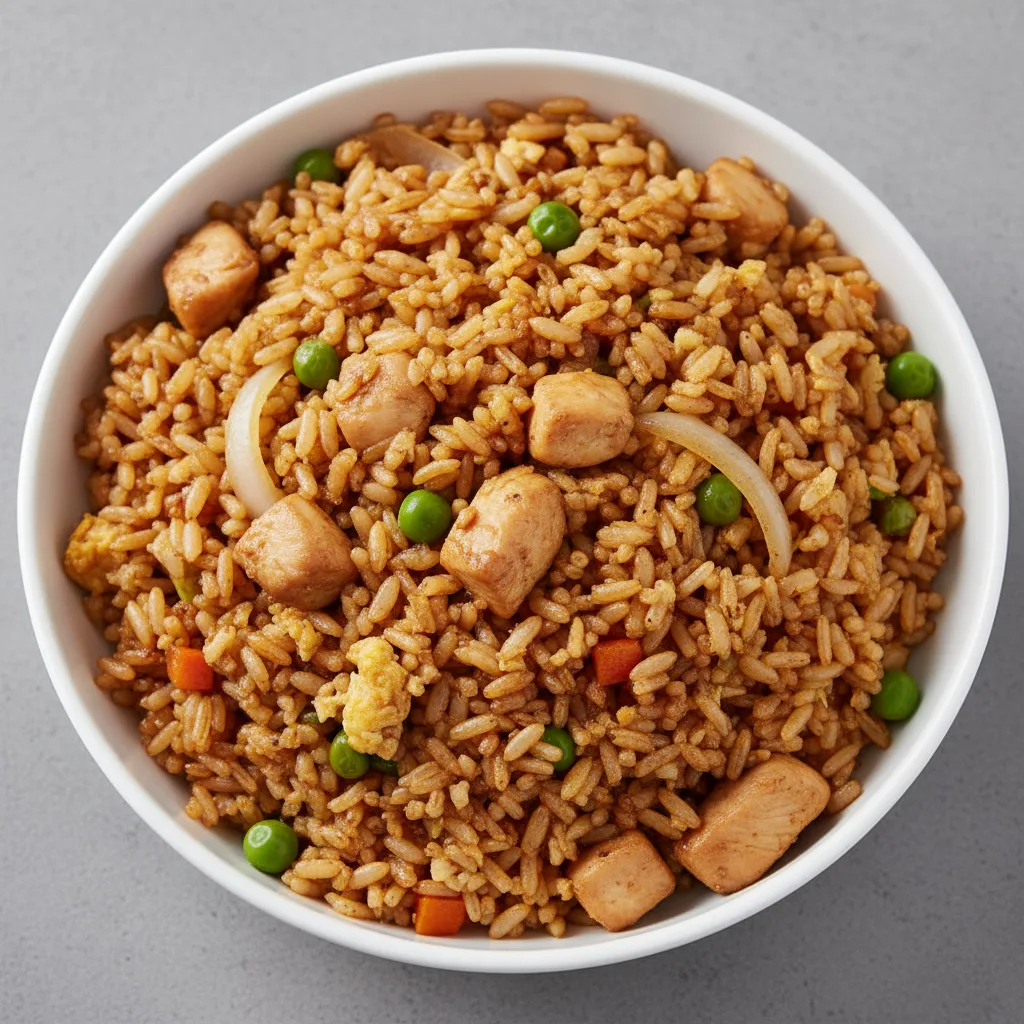
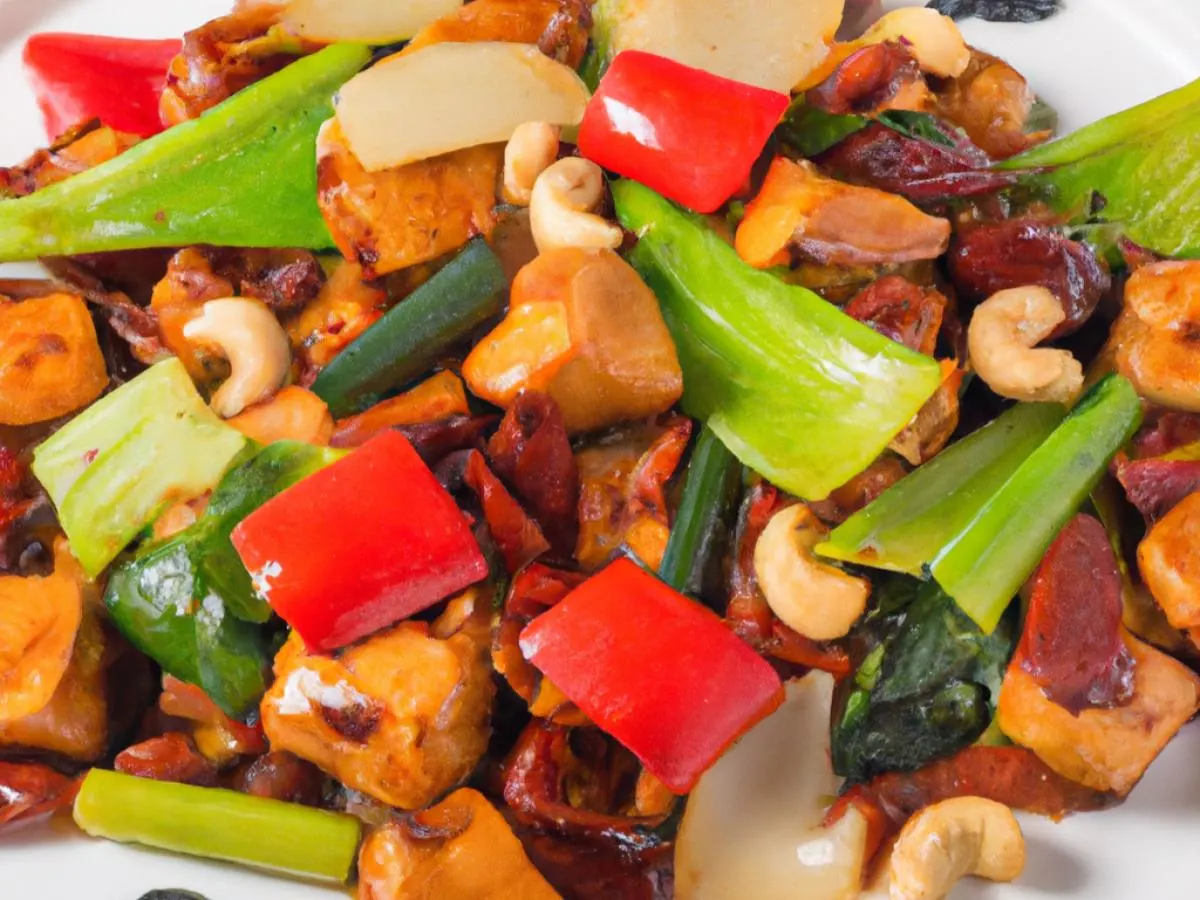
Some kitchens never had dairy in the recipe. Thai catering is the clearest case: curries built on coconut milk, noodles and stir fries cooked in oil, sweets on coconut too, so the dessert problem answers itself. Much of a Chinese menu runs the same way, on oil and stock.

Neither one is automatic. Crab rangoon is cream cheese, and some Americanized dishes carry milk powder in the breading. Ask which dishes were rebuilt for an American kitchen instead of clearing a whole cuisine.

What changes when dairy-free means a milk allergy: sealed, labeled, and handed over

Ask one question first. Is this a preference, or a diagnosed milk allergy?

A preference is handled on the line. Label every dish for dairy, keep the sauces apart, and the person picks their own way down the buffet. An allergy leaves the buffet altogether: that meal is made apart, sealed, marked with the person’s name, and handed over, because a shared serving spoon moves enough milk protein to matter. The full dairy-free ordering guide has the cross-contact questions for the kitchen.

When the room also has vegan eaters, vegan catering feeds both from one tray. Put the three station rules into CaterAi as you build the menu, and they hold across every dish. Every other restriction in the room has its own page at catering by dietary restriction.

Dairy-free catering FAQs

Where does dairy hide in office catering orders?

In the finishing steps, not the ingredient list. Butter over roasted vegetables and brushed on bread, cream holding a sauce together, buttermilk in a dressing, milk powder in breading and seasoning blends. The entree is usually clear. The sauce, the sides, and the bread are where it turns up.

How do you order catering with a dairy-free dessert that isn't fruit?

Name one dairy-free sweet in the order and ask the kitchen to mark it on the tray. Sorbet, fruit bars, oat milk cookies, and vegan bakery items all read as dessert. Dark chocolate is often safe but needs an ingredient check, since milk fat is common.

Should dairy-free guests get sauce on the side by default?

Order it that way for the whole line rather than for one person. Sauce in separate containers takes out the most common hiding place, leaves the dish intact for everyone else, and no caterer prices it differently. A composed dish such as a cream pasta is the exception.

What is the difference between ordering for a milk allergy and a dairy-free preference?

A preference is handled on the buffet with labeled dishes and the sauces kept apart, so the person chooses as they go. An allergy is an order of its own: prepared away from the rest, sealed, labeled with the name, and handed over instead of set out.