Turkish Catering

Order catering instantly with CaterAi

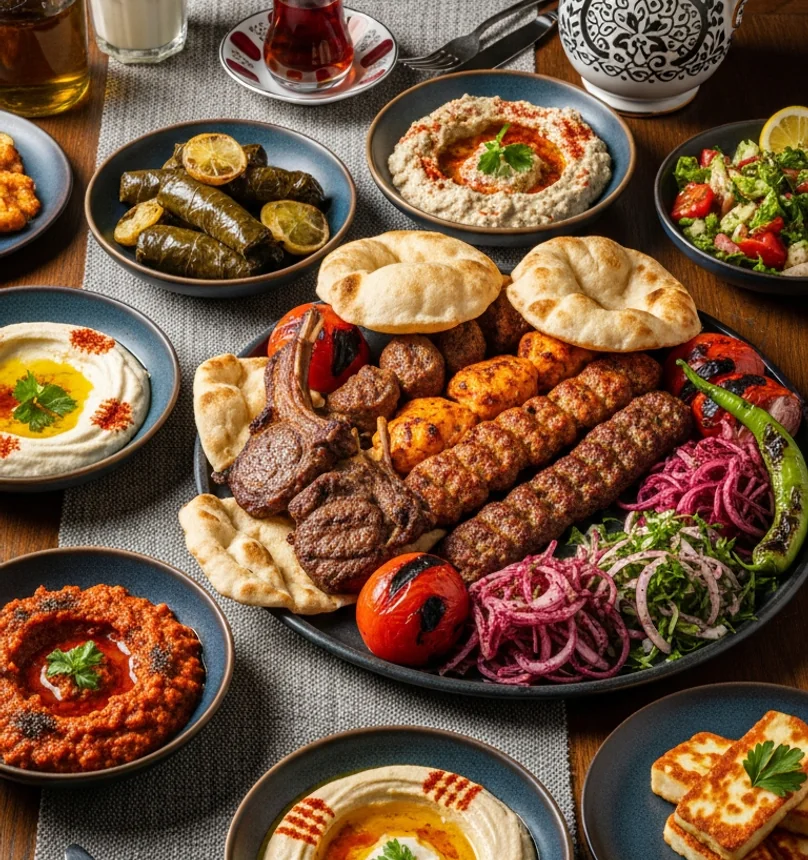
Where East meets West on every plate. Turkish catering serves tender kebab platters, warm pide flatbreads, creamy ezme dips, and flaky baklava — a cuisine shaped by centuries of culinary tradition that offers something for every palate in your office.
X
Use My Location
Try a different prompt
Enter your address to continue.
Promotions Promotions icon
Special offers and exclusive catering benefits available for your team. Only one promotion per order. We’ll automatically apply the one that saves you the most.
Turkish catering

Why Turkish catering fits an office without adapting: the kebab line portions itself

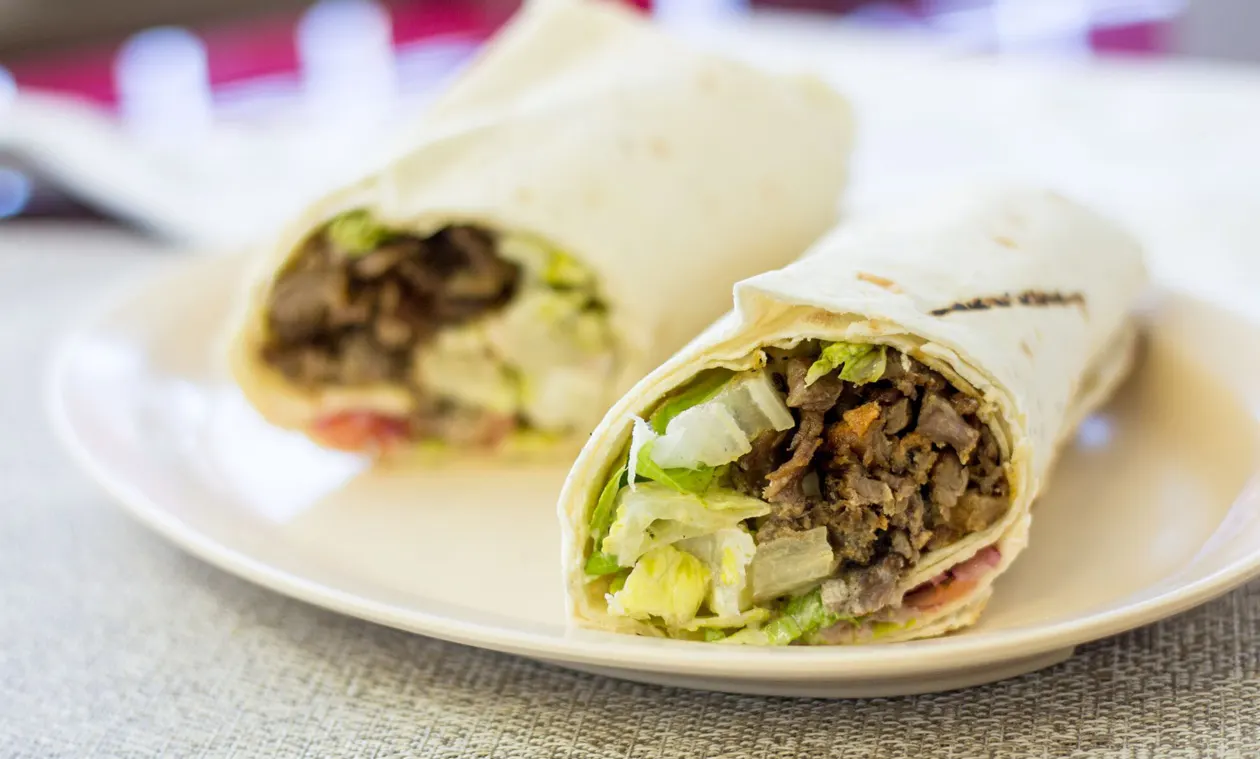
A Turkish kebab order shows up already divided. Adana and shish arrive on their own skewers, and doner is shaved off a vertical spit as people come up, so nothing needs carving on a conference table.

Turkey sits inside the Mediterranean basin and cooks like its own country. The overlap is genuine, warm bread and dips and grilled meat, and past that the menus separate: the vertical spit, the baked flatbreads pide and lahmacun, and a canon of slow Ottoman braises such as hunkar begendi, lamb over smoked eggplant. Order Mediterranean catering for the whole basin on one table. Order Turkish for one national kitchen doing what it does best.

How much Turkish catering to order per person: one skewer is one serving

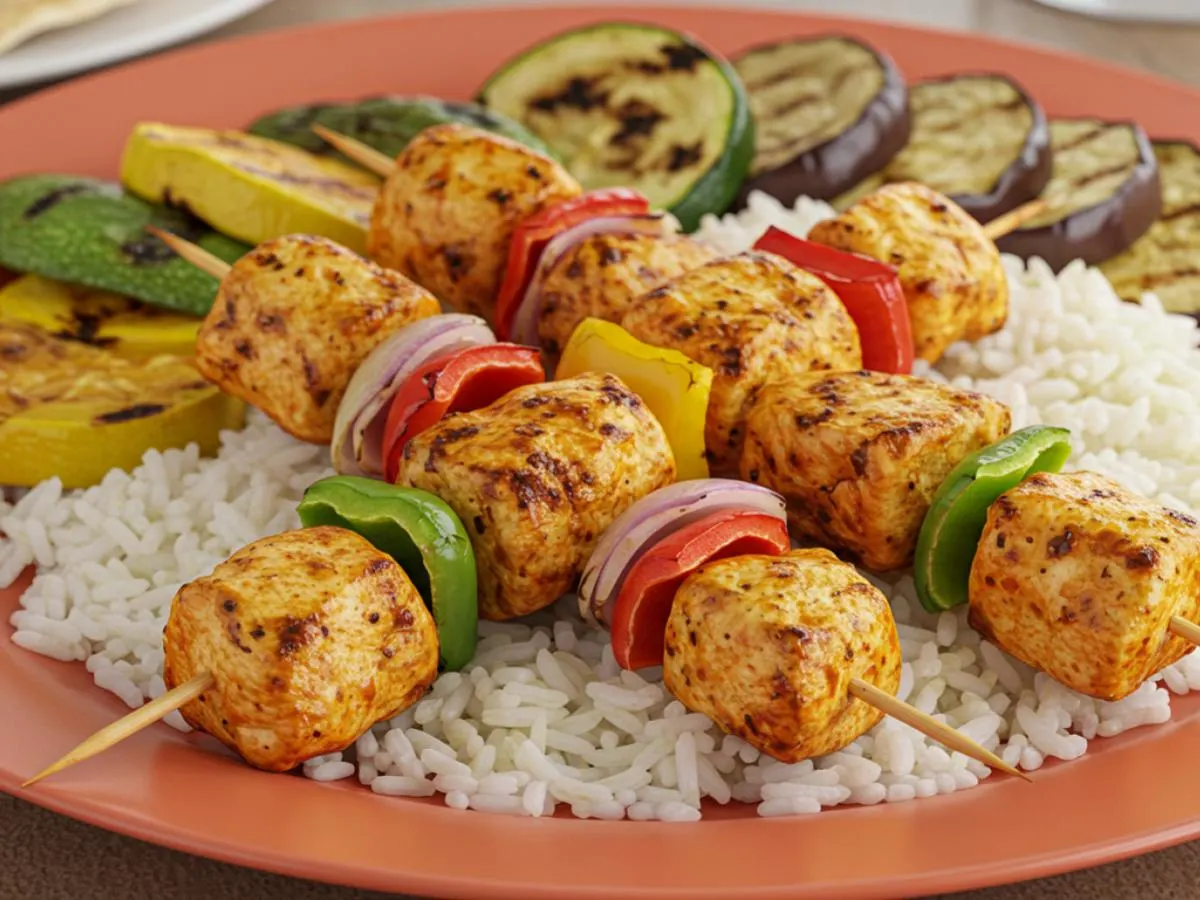
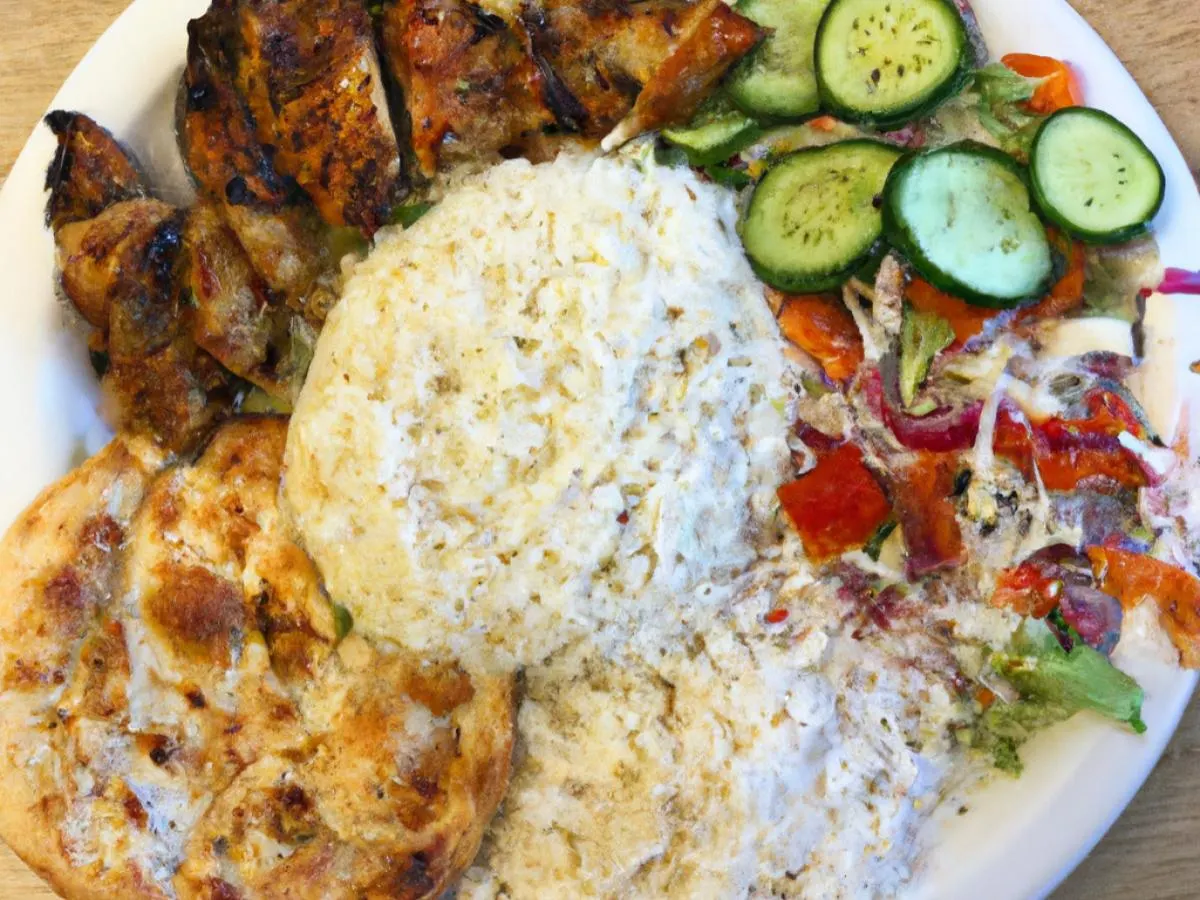
Kebabs are sold by the portion, so your headcount is the order. Adana is spiced ground lamb hand-pressed along a flat skewer. Urfa is the same shape with the chili left out. Shish is cubed lamb or chicken. One of any of them feeds one person next to rice or bulgur pilav.

Portion weight varies between kitchens, so when you compare two quotes, ask what a single skewer weighs.

Doner is the exception, carved as guests reach the front rather than counted in advance. Put a spit and skewers on one table and order fewer skewers.

How Turkish catering covers a halal room: the doner spit, and the sourcing question worth writing down

Halal sourcing is ordinary practice in a Turkish kitchen, not a special request, which is why doner and kebab menus turn up so often on catering orders for a halal room. The whole order can go out that way without anyone planning a second one.

Treat it as the norm and not a promise. Ask whether the meat is halal-sourced or certified, and get that answer into the written order. Our breakdown of what halal asks of a caterer sets out the questions that separate a halal kitchen from a halal dish.

What else a Turkish catering spread needs: sigara borek to open, pide in strips, kunefe to close

Sigara borek opens the table: feta and parsley rolled in thin yufka pastry and fried into crisp cigars, which keep their snap longer than most fried starters.

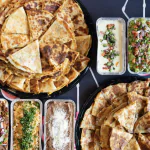
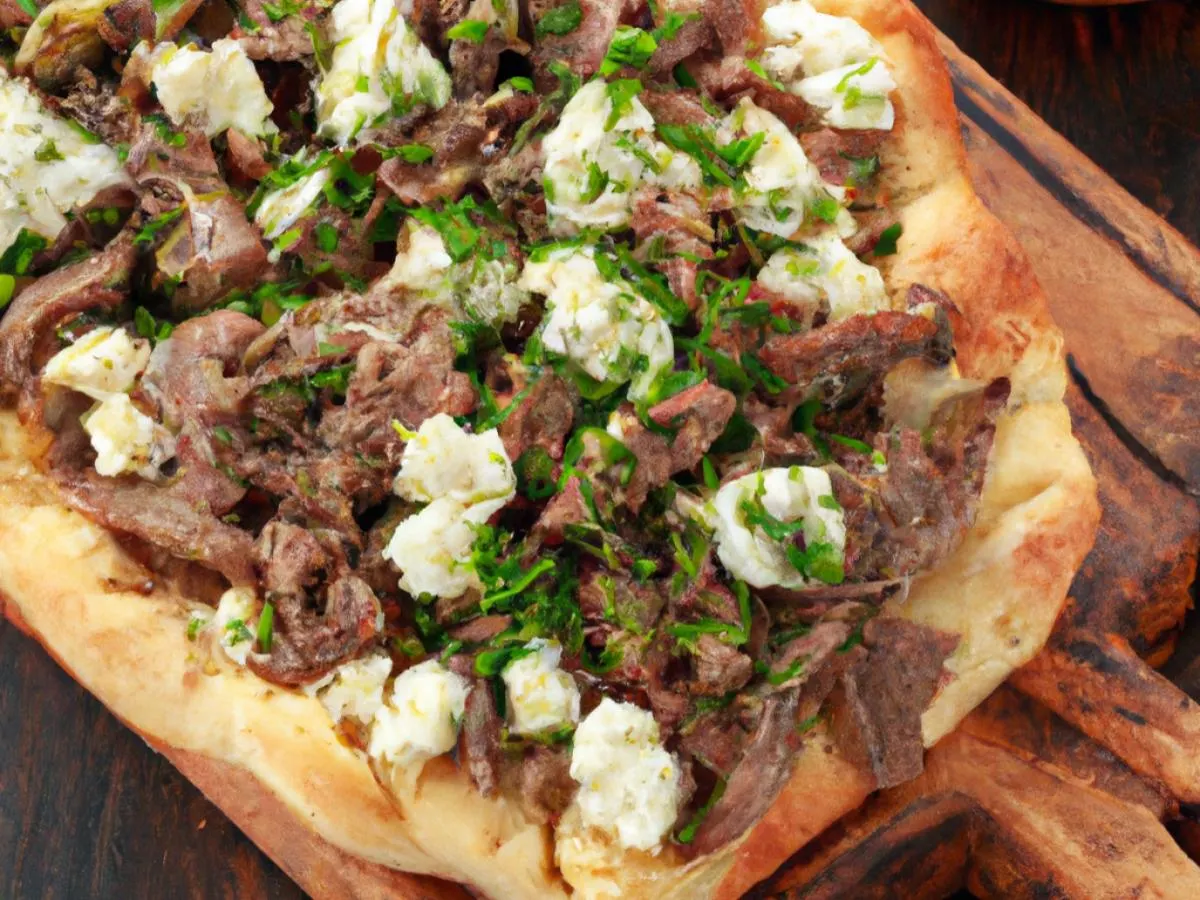
Pide holds the middle. It bakes as a long boat of flatbread under cheese, minced lamb, or sucuk sausage, then gets cut across into strips, which is why a single pide feeds a crowd instead of a plate. Lahmacun is the handheld one: a thin round with spiced lamb that guests squeeze lemon over, scatter parsley on, and roll.

Finish on baklava, which travels, or kunefe, which does not. Kunefe is cheese under shredded pastry and hot syrup, so order it only where it goes straight from oven to table.

CaterAi sizes a Turkish order off two numbers, the headcount and how many plates have to be halal. Catering cuisine options for the office lists what else a lunch calendar can pull from.

Turkish catering FAQs

Is Turkish catering halal?

Most of the time. Turkish caterers source halal meat as standard practice, which is why doner and kebab menus appear so often on halal office orders. The answer belongs to the individual kitchen and not to the cuisine, so ask before the order goes out.

Is doner the same as gyro?

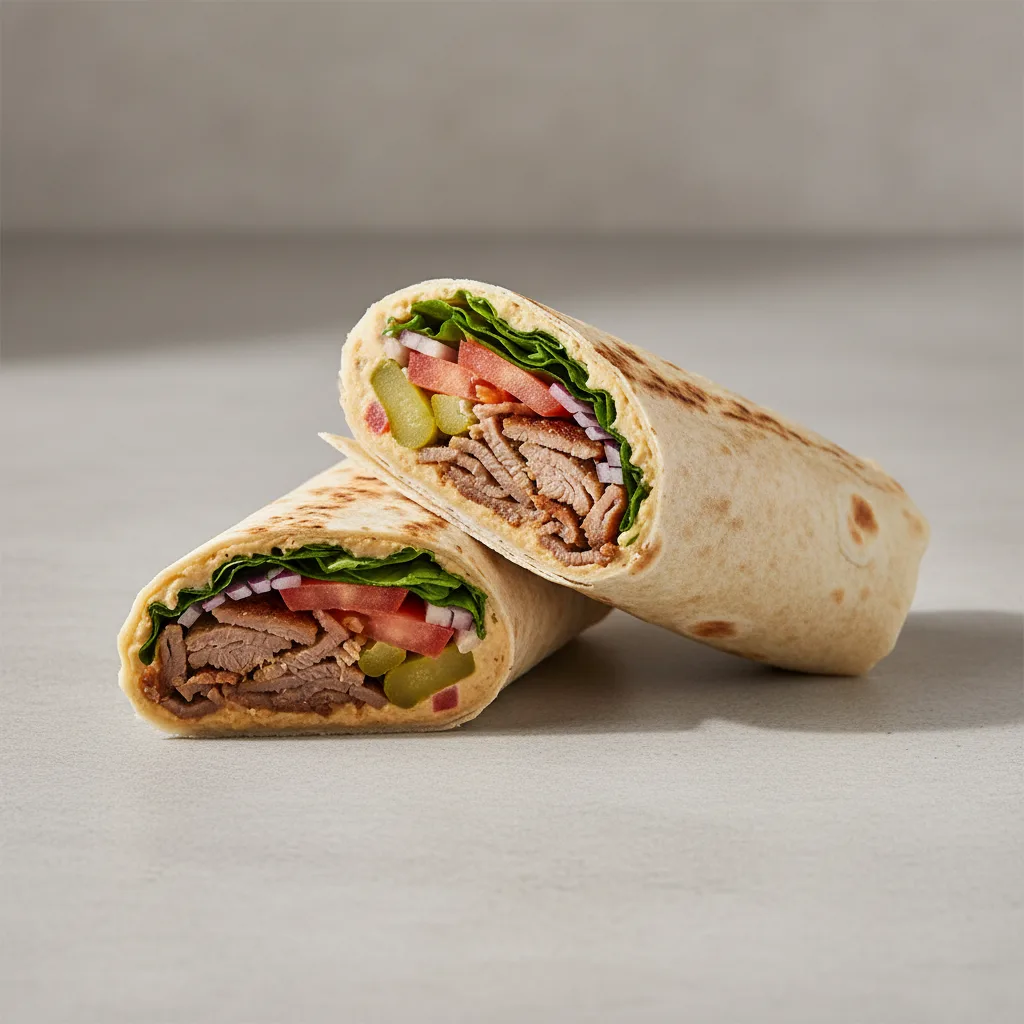
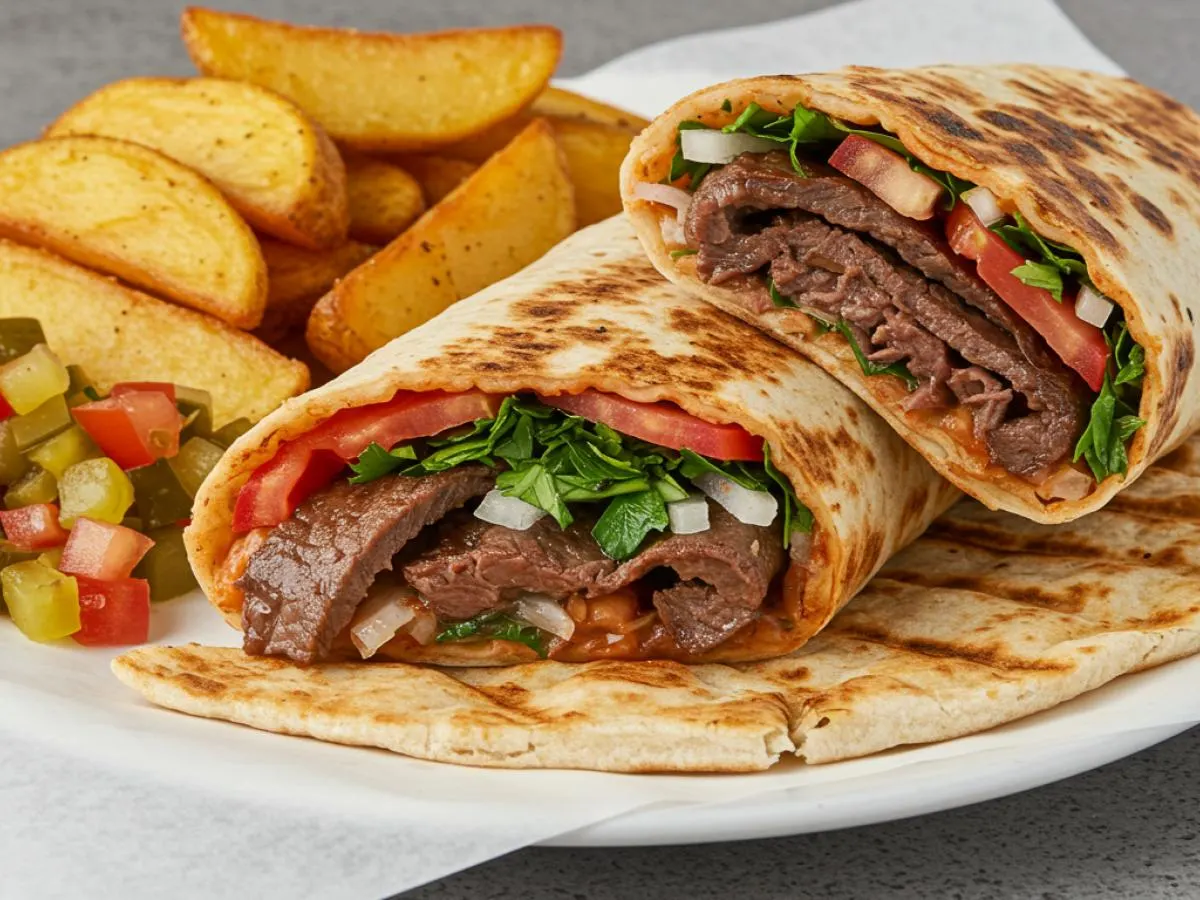
They come off the same vertical spit. Doner is the Turkish original, usually lamb or beef seasoned toward cumin and paprika, served over rice pilaf about as often as it is wrapped. A gyro is the Greek version, built on pita with tzatziki.

What is Turkish pide, and how is it served?

Pide is a flatbread baked in a long boat shape under toppings such as cheese, minced lamb, or sucuk sausage. It arrives whole and gets sliced crosswise, which turns one pide into something a group shares. Cheese pide handles a vegetarian count with no separate dish.

What is the difference between Turkish and Mediterranean catering?

Mediterranean spans the whole basin and leads with a mezze table. Turkish is a single national kitchen inside that region, and it leads with the grill: doner off the vertical spit, adana and shish off the skewer, pide and lahmacun from the oven, plus Ottoman braises.