BYO Ramen & Noodle Soup Bar Catering Menus

Chat with CaterAi to plan your catering

Steaming bowls, custom-built.
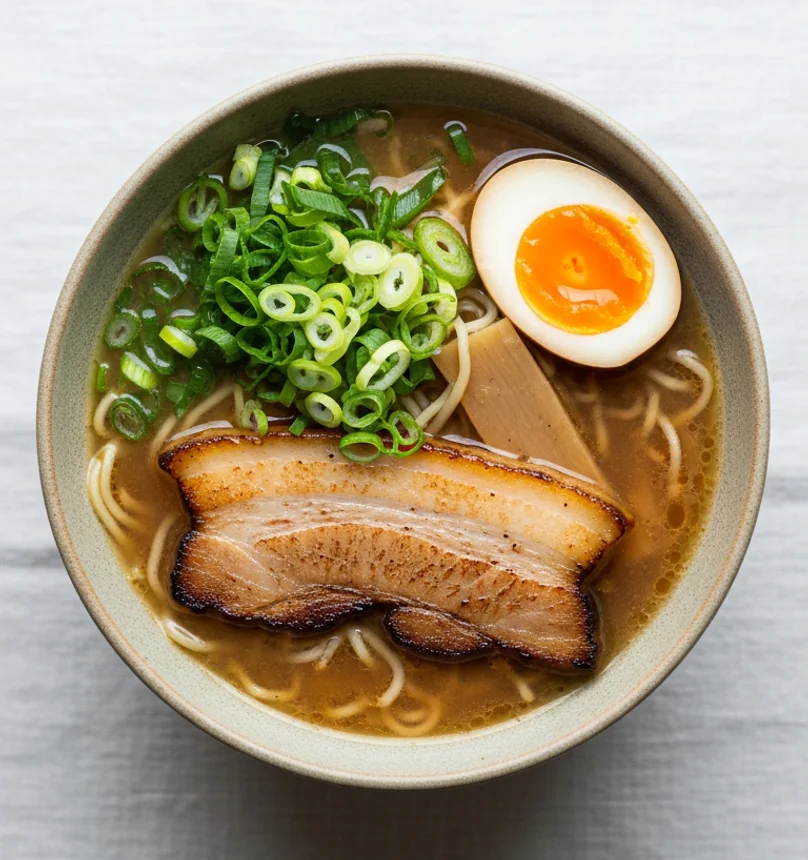
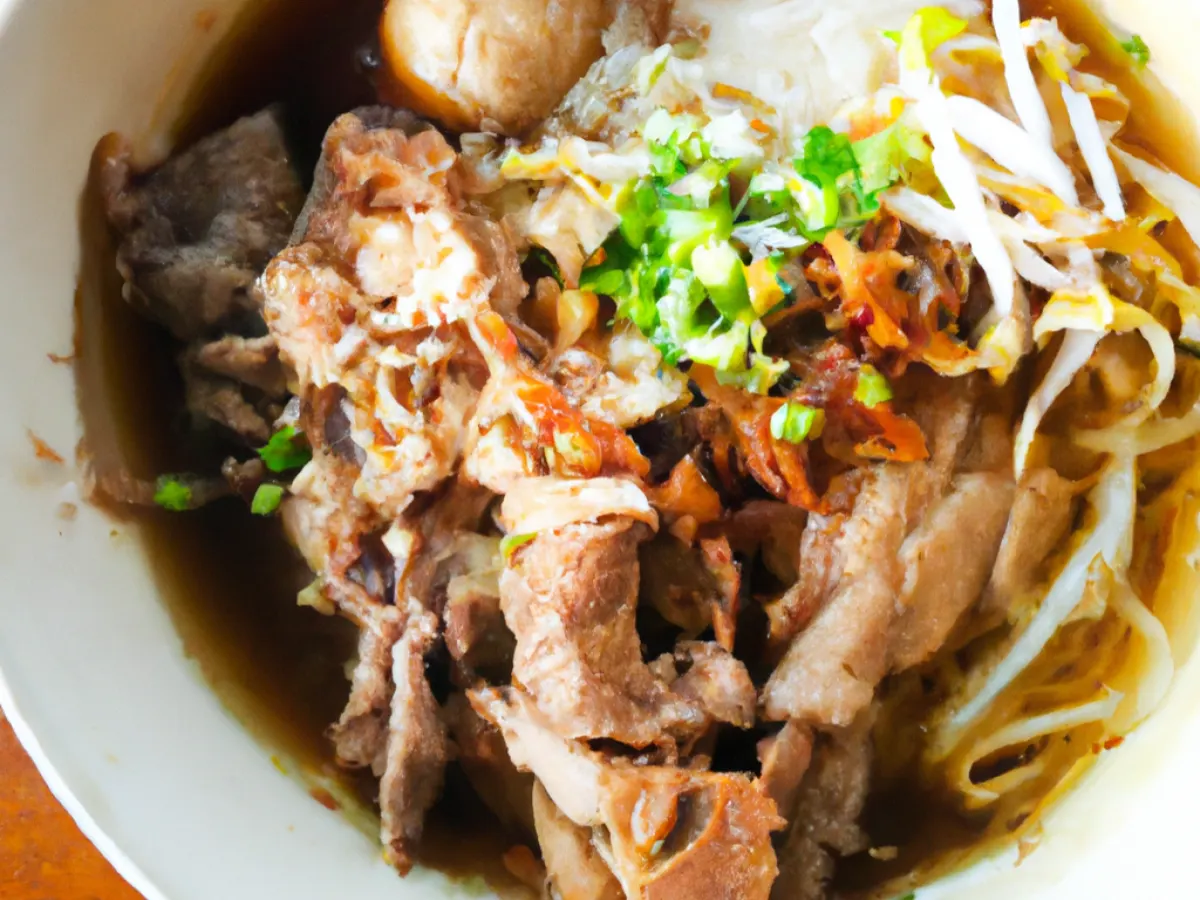
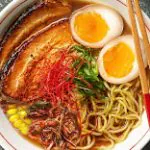
Rich broths, chewy noodles, soft-boiled eggs, pork belly, scallions, nori, corn, and chili oil. Warming and satisfying — ideal for cold-weather lunches and dinner events.
X
Use My Location
Try a different prompt
Please enter your event location to continue.
BYO Ramen & Noodle Soup Bar

How ramen broth gets to an office and stays hot: it ships by the urn, not the pan

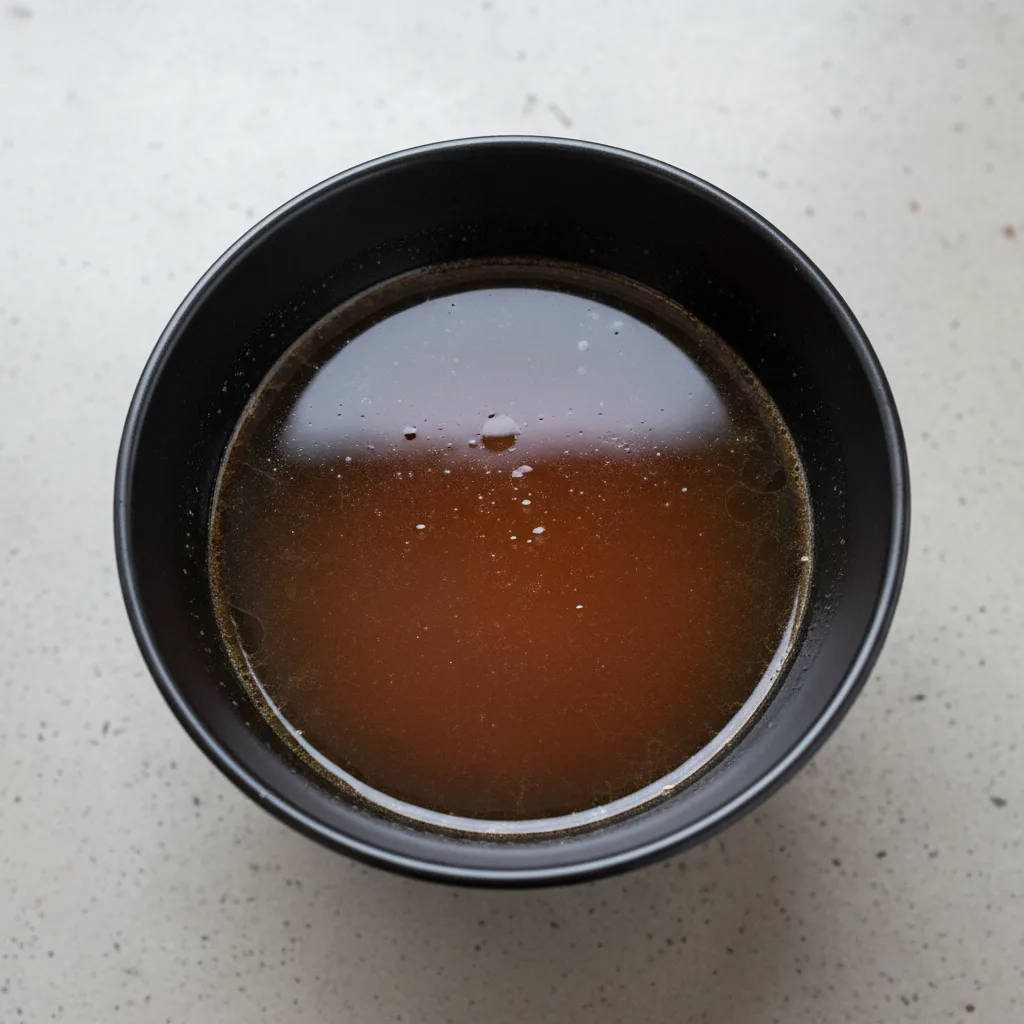
Hot liquid at office scale does not ride in a chafer pan. Ramen broth travels in a sealed insulated urn, which holds serving temperature through a whole lunch and pours from a spigot with nothing to plug in. Confirm the urn is coming, because that is what lets a service run long.

Order a second urn for the meatless broth. Ramen stock is usually built on pork or chicken bones, and many shoyu and shio broths are finished with dried fish, so a shared urn has no vegetarian corner. A miso or vegetable broth needs its own vessel and its own ladle.

Why noodles cannot sit in ramen broth: the nest-and-ladle build a noodle soup bar runs on

Noodles are thirsty. Left sitting in hot broth they swell, soften, and pull the liquid out from under themselves, so the first bowls out of a shared pot eat properly and the last ones are porridge in a shallow pool.

That is why nothing gets combined until the bowl. Noodles come cooked, cooled, and portioned into single-serving nests. Each person drops a nest into a bowl, builds the toppings, then takes the broth last, ladled over at the moment of eating. The hot pour brings the nest back to temperature on contact.

Set the stations in that order: bowls, nests, toppings, then the urn at the far end. A bowl of broth carried past the topping rail arrives at the table half built.

What belongs on a ramen topping rail, and what has to be held warm on its own

Nearly all of the rail is cold or room temperature, which is why it lasts a whole service: soft-boiled eggs halved in the kitchen, corn, scallion, bean sprouts, pickled ginger, and a chili option in a jar.

Two items need special handling:

  • Chashu or sliced chicken. Give it a small warm pan of its own. Cold pork on hot broth is passable, warm pork is the point.
  • Nori. Keep the sheets dry and flat in a container of their own. One resting on damp corn is limp before the first bowl.

Leave the urn unseasoned. Garlic, sesame, and chili oil belong on the rail, not in the broth.

When to order ramen and noodle soup bar catering: the steamiest lunch of the cold months
Order this one when the weather is the argument. The dark half of the year, a team that came in through rain: a bowl that steams is worth more to that room than the same money spent cold. Buy it for morale, not for the number per head.

It is the wrong pick for a packed conference table, since a bowl and a ladle want two hands. A build your own rice bowl covers the same appetite with nothing to spill.

For the wider kitchen behind a bowl of ramen, start from Japanese catering, and our guide to ordering pho covers the Vietnamese relative. CaterAi books noodle bars against the number of bowls that have to be meatless. The full set of formats is on catering formats for the office lunch.

Ramen and noodle soup bar catering FAQs

Can you cater ramen for an office lunch?

Yes, as a bar rather than as finished bowls. The caterer sends hot broth in a sealed urn, cooked noodles portioned into nests, and a rail of toppings. Each person assembles a bowl and ladles the broth over last. Bowls built in the kitchen do not survive the drive.

Do catered ramen noodles get soggy before everyone is served?

Only if they wait in the broth. Noodles keep absorbing while they sit, so a batch left in a hot urn goes soft and the last servings come out thick. Keep the nests dry and separate, and pour broth one bowl at a time.

How do you serve a ramen bar to more than fifty people?

Run a second full setup instead of stretching one. Each guest makes three stops, nests then toppings then broth, so this format moves slower per head than a tray line. Past roughly fifty people, a single urn turns into the whole queue.

Does a ramen bar need a separate vegetarian broth?

Yes, in its own vessel with its own ladle. Ramen stock is usually pork or chicken bone based, and many shoyu and shio broths carry dried fish, so a shared urn offers nothing meatless. Ask for a miso or vegetable broth sized to the headcount.